
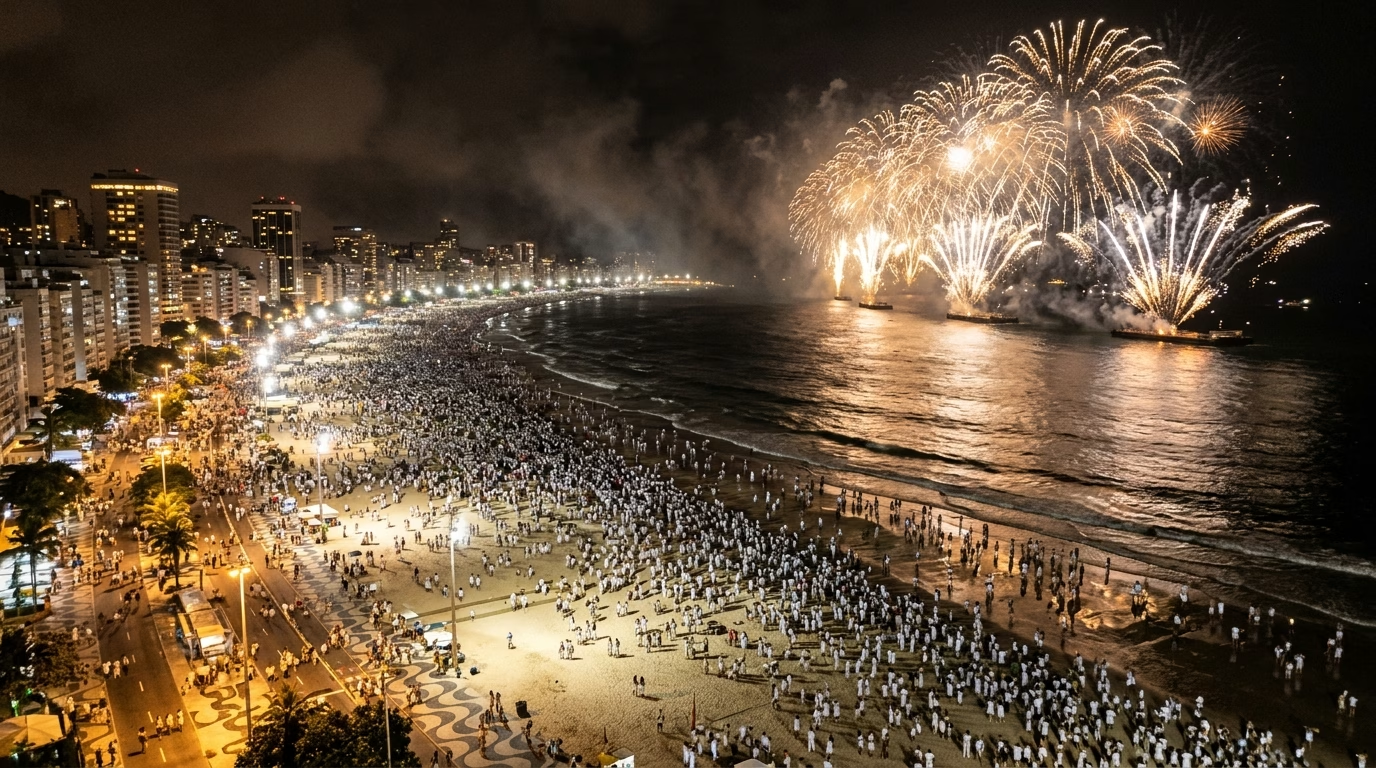
New Year’s Eve in Brazil is called Réveillon, and it is one of the biggest nights on the country’s calendar. Millions of people dress in white, fill the beaches and city avenues, and count down together under fireworks. This guide covers where to go on December 31, 2026, what is already confirmed, the traditions worth knowing and how to get home safely after midnight.
Key takeaways
- Rio’s Copacabana hosts the largest celebration. About 2.6 million people came to the beach at the last edition, with 12 minutes of fireworks fired from barges offshore.
- Salvador’s Festival Virada runs from December 30, 2026 to January 3, 2027, with Ivete Sangalo leading the countdown.
- São Paulo throws a free concert on Avenida Paulista. Jão, Joelma and Péricles are among the first acts confirmed.
- Wear white, jump seven waves only if the sea is calm, and treat offerings to Iemanjá as sacred.
- Arrive by December 29 or 30, stay within walking distance of your party and plan your route home before midnight.
- Install your eSIM before you fly, so maps, ride apps and group chats work in the crowd.
What Makes New Year’s Eve in Brazil Special?
Réveillon is more than a countdown to midnight. It is a public moment of hope, renewal and togetherness. You will see families sharing long dinners, neighbors gathering outside and huge crowds heading toward beaches, plazas and street parties.
The night reflects a strong Brazilian habit of facing the new year with optimism. Many people wear white to wish for peace. Others add a colored item for a personal goal. These choices are not strict rules, but they give the night a joyful, shared language.
New Year’s Eve in Brazil also shows the country’s religious and cultural mix. Catholic customs, African-rooted faiths, Indigenous influences and secular party culture sit side by side. Along the coast, you may notice people leaving flowers near the water or entering the sea after midnight. These acts are often linked to Iemanjá, an important figure in Afro-Brazilian religions. Treat the ritual with respect: it is a faith practice, not a photo opportunity or a costume theme.
- Family matters: Dinner often starts late, and many people stay together until after midnight.
- The street matters too: Public celebrations bring strangers into the same countdown, especially in beach cities.
- Hope is practical: Wishes for health, work, love and money are woven into clothing colors, food and midnight rituals.
You do not need to copy every custom perfectly to join in. Wear white if you want to take part, learn a simple “Feliz Ano Novo” and follow the lead of the people around you.
Takeaway: New Year’s Eve in Brazil is a shared ritual of peace, gratitude and fresh starts. Join respectfully and dress for the spirit of the night.
Where Should You Spend New Year’s Eve in Brazil?
Your best spot for New Year’s Eve in Brazil depends on the night you want: sand under your feet, days of live music, or a big-city countdown. Rio, Salvador and São Paulo each run a free, city-backed celebration, and each becomes much harder to move around after dark.
Rio de Janeiro: Copacabana Beach
Choose Copacabana for the classic Brazil image. In December 2025, Guinness World Records named Rio’s Réveillon the world’s largest New Year’s celebration by attendance. Rio’s tourism board, Riotur, counted about 2.6 million people on Copacabana for the last countdown.
At that edition, three stages ran along the beach. The main one sat in front of the Copacabana Palace hotel. At midnight, 19 barges fired 12 minutes of fireworks, joined by a show of 1,200 drones. Ten more free stages ran in other neighborhoods, if you want a smaller crowd.
Copacabana is also the simplest base if you want to walk back to your hotel instead of relying on a car at midnight. Stay within walking distance of the beach, ideally near a main avenue rather than a quiet side street. Watch out: the sand fills early, and leaving right after midnight means slow-moving crowds and few rides.
Salvador: Festival Virada
Head to Salvador if music and culture matter more than Rio’s famous backdrop. The city runs Festival Virada, a five-day free festival at Arena O Canto da Cidade on the Boca do Rio waterfront. The 2027 edition runs from December 30, 2026 to January 3, 2027. Expect axé, pagode and Afro-Brazilian rhythms, with a warmer, more local feel than Copacabana.
Paid camarote (VIP deck) tickets for the festival range from R$170 to R$1,840 per day, depending on the night. The general area is free.
Rio Vermelho and Pituba sit closer to the arena than Barra, which matters when traffic stalls. Add daytime visits to the Historic Center, known as Pelourinho. Keep your Telekonek eSIM active before you head out. When streets are busy, you may need maps, a rideshare pickup point or a message from your host.
São Paulo: Avenida Paulista
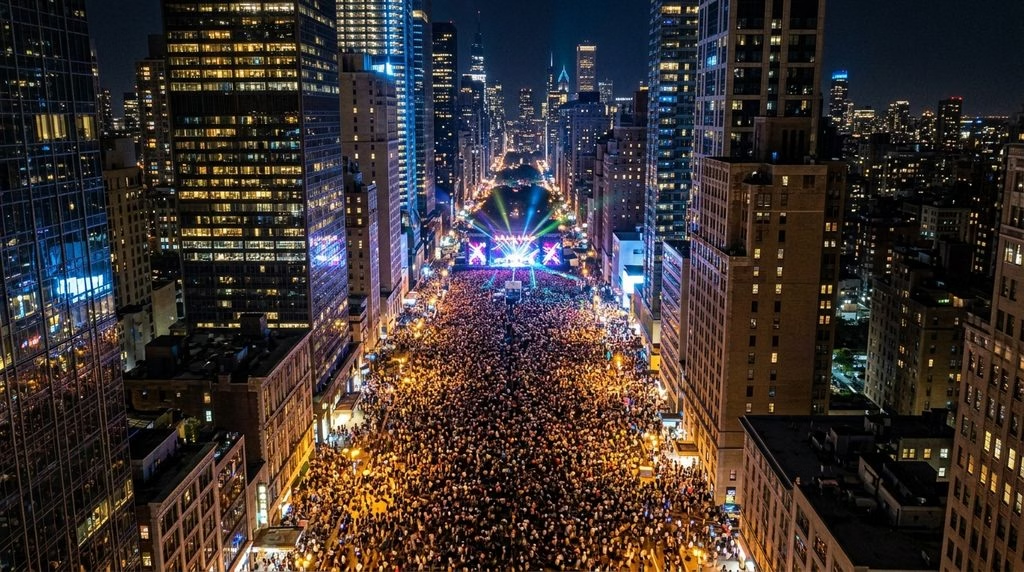
Pick São Paulo for a huge urban party rather than a beach. The city hosts a free concert along Avenida Paulista. At the last edition, music ran for 14 hours from 2 p.m., and midnight brought 15 minutes of low-noise fireworks. The metro also ran through the night. São Paulo works especially well if your flights already route through the city.
- Copacabana: best for the iconic beach countdown and a vast public crowd.
- Salvador: best for a multi-day music festival and a culturally rich atmosphere.
- São Paulo: best for dining, nightlife and easier transport home.
Still choosing between hemispheres? Our guide to New Year’s Eve in Paris covers a very different, wintry countdown.
Takeaway: Choose Rio for spectacle, Salvador for a music festival or São Paulo for the most flexible city night.
New Year’s Eve 2026 in Brazil: What Is Confirmed So Far
As of mid-November 2026, each city is still releasing its lineup. Full programs usually land in early December. Rio, for example, announced its complete program for the last edition on December 4, 2025.
- Rio de Janeiro: City hall has confirmed Djavan for the Copacabana countdown, his first time at the event. The full lineup, stage times and street plan are still to come.
- Salvador: The city announced its lineup on November 4, 2026. Ivete Sangalo leads the countdown, with Bell Marques, Léo Santana, Ludmilla and Jorge & Mateus also on the bill.
- São Paulo: Jão, Joelma, Péricles and the DJ duo Dubdogz are confirmed for the Avenida Paulista show on December 31, 2026.
- Hotel parties: Several beachfront hotels in Copacabana are already selling all-inclusive rooftop parties with fireworks views.
Old event pages and social videos stay online long after each Réveillon ends. Before you pay for anything, run three quick checks:
- Look for the full date: “Réveillon 2027” or “December 31, 2026” should appear in the listing itself.
- Find the organizer: A real announcement names the city government, the venue or the party company.
- Read the refund terms: A party can change its lineup, entry rules or weather plan without changing its name.
Takeaway: The headline acts are starting to land, but stage times and transport plans will come in December. Book your room now and your party once its details are confirmed.
Which New Year’s Traditions Will You See in Brazil?
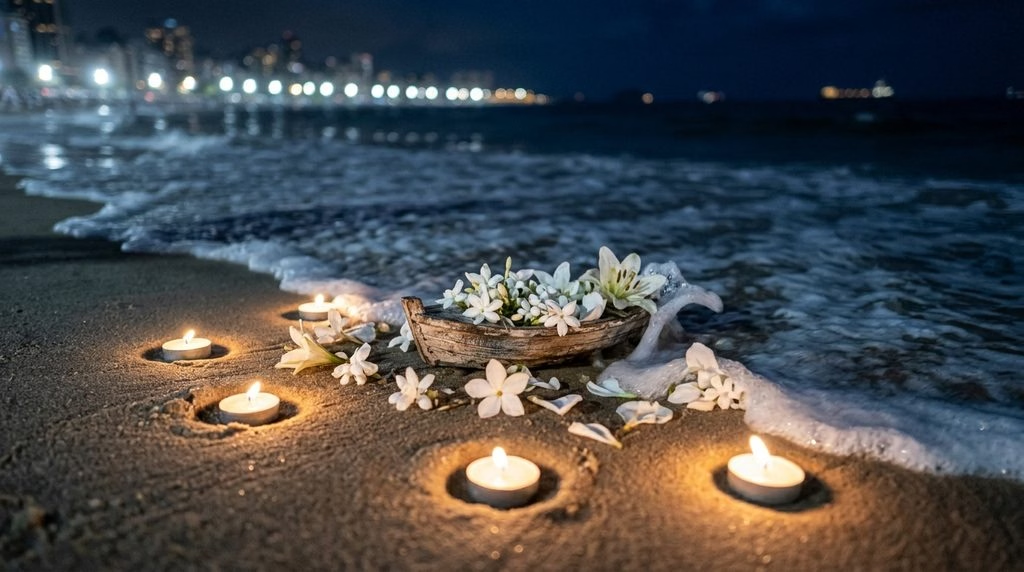
New Year’s Eve in Brazil comes with customs that blend family habits, beach rituals and Afro-Brazilian faith. You do not need to take part in every ritual, but knowing what you are seeing helps you join with respect.
Colors carry wishes. White is the classic choice for peace. Many people add a color for a specific hope:
- Yellow: money and prosperity.
- Red or pink: love and passion.
- Green: health and hope.
Jumping seven waves is the best-known beach ritual. Just after midnight, people step into the sea and jump seven waves, making a silent wish with each one. Wait for a calm break in the water, go in only as far as you feel safe, and skip it after drinking. Do not wade out alone in the dark, and keep your shoes close. After a long beach party, the sand can hide broken glass and bottle caps.
You may also see flowers, candles and small boats placed near the water for Iemanjá, an orixá linked to the sea in Candomblé and Umbanda. These offerings are common on Rio’s beaches at New Year. In Salvador, Iemanjá’s biggest celebration comes later, on February 2 in Rio Vermelho.
- Never touch or move offerings: Watch quietly and keep a respectful distance.
- Bring flowers, not clutter: Loose white flowers are a better choice than wrapped bouquets or plastic gifts.
- Keep candles off crowded sand: Wind, bare feet and dense crowds make open flames a poor choice for visitors.
- Ask before photographing: A ceremony can be private worship, even in a public place.
Food carries wishes too. At a family dinner, you may be offered lentils for prosperity. Some people keep a few pomegranate seeds in their wallet to attract money. Accepting a small serving is an easy way to join in, and you never need to perform a ritual that conflicts with your beliefs.
Takeaway: Wear white, jump seven waves only if conditions are safe, treat Iemanjá offerings as sacred and leave the beach cleaner than you found it.
How Do Brazilians Celebrate New Year’s Eve?
Most Brazilians spend Réveillon with people they know, even inside a huge public crowd. The night often begins at home, in an apartment building’s shared area or at a relative’s house. You may be invited to a long dinner, a backyard barbecue or a beach meet-up before midnight.
Expect rice, farofa, roast meats, seafood, and chilled beer or sparkling wine, alongside the lentils. Families differ widely, so treat these as warm local habits, not a fixed menu.
As midnight approaches, groups move outside. In coastal cities, that means walking to the beach with folding chairs, a cooler and a bag for trash. Inland, people gather in building courtyards, neighborhood bars, private clubs or public squares.
- Family evening: Dinner, conversation, music, midnight toasts and visits with neighbors.
- Beach gathering: Friends meet on the sand, watch the fireworks, then stay for music and late-night talk.
- House or building party: More comfortable than a public crowd, often with a barbecue and shared food.
- Paid party: Some locals choose hotels, clubs or restaurants for dinner and a reserved place at midnight.
At midnight, the mood turns personal and communal at once. You will hear “Feliz Ano Novo,” see people hugging family and friends, and watch strangers trade quick good wishes. A friendly greeting and a small toast with your group fit right in.
Watch out: Brazilians often stay out much later than many visitors expect. A party may not feel busy until close to midnight, and the music keeps going long after the fireworks. Eat beforehand and carry water.
Takeaway: New Year’s Eve in Brazil is less about a formal event and more about sharing food, wishes, music and midnight hugs with the people around you.
Free Public Shows or Paid Parties?
New Year’s Eve in Brazil mixes free public shows with paid parties, so you can build a night around your budget. The free side means outdoor stages, live music, food vendors and a midnight fireworks display. The paid side means a reserved table, open bar, dinner or a less crowded viewing area.
- Public beach or street celebrations: Entry is free, but you still pay for transport, drinks, food and any beach chair. Treat “free” as no ticket cost, not a zero-cost night.
- Hotel parties and restaurant dinners: These are the comfort choice. You pay for a fixed meal, better bathrooms and a known place to be at midnight. Prices vary sharply by city, view and menu.
- Club events and ticketed parties: These often run until sunrise and may include music, food and an open bar. “Open bar” does not always mean food, a seat or a ride home.
Build your budget in layers instead of guessing one total: party entry, food and drinks, rides before road closures and a backup ride after midnight. A ticketed event feels easier, but a public celebration gives you the bigger shared atmosphere.
Watch out: A party ticket does not guarantee a clear fireworks view. Some venues sit several blocks inland, and even rooftops can have blocked sightlines. Ask exactly where you will stand, whether seating is assigned and when doors close before you pay.
Takeaway: Choose a free public celebration for scale, or pay for a fixed venue when a seat, dinner and simpler logistics matter more than the biggest crowd.
Travel Tips for New Year’s Eve in Brazil
December 31 falls in Brazil’s summer. Plan for heat, sudden afternoon storms in Rio and São Paulo, and a travel rush that affects flights, roads and hotel rules. For a beach celebration, arrive by December 29 or 30. Arriving on December 31 can turn a short airport transfer into a stressful, expensive trip.
In Rio, Santos Dumont Airport (SDU) is much closer to Copacabana, Ipanema and Botafogo than Galeão (GIG). SDU mostly handles domestic flights, while GIG handles most international arrivals. A ride from GIG to Copacabana can take 45 to 90 minutes in normal traffic, so do not count on a last-minute airport pickup on December 31.
Book your room early and read the rules. A Copacabana beachfront hotel that charges around US$250 a night in March can cost several times that over Réveillon. Luxury properties often require four- to seven-night minimum stays, and cheaper rooms are often nonrefundable.
- Rio de Janeiro: Copacabana or Leme for the walk-home option; Ipanema for a slightly calmer base.
- Salvador: Rio Vermelho or Pituba for easier access to Festival Virada and good restaurants.
- São Paulo: Paulista, Jardins or Pinheiros for metro access and better value.
An apartment can look like a bargain, but check the exact street, building entrance, air conditioning and whether the host can meet you if you arrive late.
Getting around Rio: At the last edition, the metro switched to a special operation from 7 p.m. on December 31 to 5 a.m. on January 1. Riders needed a R$15 round-trip pass bought in advance through the MetrôRio app or website. Regular transit cards and tap-to-pay were not accepted. Copacabana is also closed to most traffic that night. Expect a similar plan this year, and check the official details in December.
Ride apps such as Uber and 99 work in all three cities, but prices surge and drivers often cannot reach the waterfront. Keep your Telekonek eSIM active from touchdown so you can follow route changes, message your host and book transport without relying on hotel Wi-Fi.
Takeaway: Pay more for a walkable location, arrive before December 31 and treat your trip home after midnight as part of the plan.
How to Stay Safe on New Year’s Eve in Brazil
Crowds on New Year’s Eve in Brazil feel joyful, but you need a simple plan before you step into them. Decide where you will meet if your group gets separated, and pick a landmark away from the busiest beach entrance, stage or station. Agree on a time to leave, too. Making decisions in the midnight crush is when problems start.
Set up your Telekonek eSIM before heading out, then save your hotel address, meeting point and one local contact on your phone. Take screenshots as well. Data can slow down when thousands of phones connect at once, and a screenshot still works with no signal.
- Carry less than usual: Bring one payment card, a little cash and a photo of your passport stored securely on your phone. Leave extra cards, jewelry and your passport in your room safe.
- Use a zipped cross-body bag: Wear it in front of you in packed areas. Never leave your phone on a table, in a back pocket or loose in a beach bag.
- Keep your phone out of sight near the street: Step inside a shop, restaurant or hotel entrance before checking maps or ordering a ride.
- Watch your drink: Buy sealed drinks yourself, keep them in hand and never accept an open drink from a stranger. Pace yourself in the heat and near the sea.
Watch out for the post-midnight bottleneck. When the fireworks end, everyone moves at once, and phone signal and ride pickups can fail. Stay calm, move with the crowd rather than against it and never push toward a closed exit. If your route looks too dense, wait in a well-lit hotel or business area until the flow eases.
For urgent help in Brazil, call 190 for police, 192 for an ambulance or 193 for the fire department. Save these numbers before the evening. A useful phrase is “Preciso de ajuda” (“I need help”).
Use licensed taxis or a ride app from a clear pickup point, not an isolated side street. Confirm the car’s plate number before you get in, and never accept a ride from a driver who approaches you claiming to be yours.
Takeaway: Keep valuables minimal, save key details offline and leave the densest area only when you have a calm, agreed route.
How to Stay Connected During New Year’s Eve in Brazil
On New Year’s Eve in Brazil, your phone is more than a camera. You need it to find your driver after road closures, message your group when the crowd shifts and show your hotel address in Portuguese. WhatsApp is the everyday messaging app, while Uber and 99 get you home once traffic moves again.
Set up a Telekonek Brazil eSIM before you fly. Telekonek covers 200+ countries, so you can land with data ready instead of hunting for a SIM shop during the holiday rush. Your home number stays active for calls and verification texts, while the eSIM handles your data.
- Check your phone first. It needs to support eSIM and be unlocked, meaning it can use a network other than your home carrier. Our list of eSIM-compatible phones covers the main brands.
- Install the eSIM on Wi-Fi before departure. Do not wait until you are outside the airport or in a packed beach crowd. On iPhone, Apple’s eSIM setup guide shows where the setting lives.
- Set your roaming switches. Turn data roaming on for your Telekonek line and off for your home line. That keeps maps and messages running without surprise charges. Our guide to airplane mode for travel walks through a simple landing routine.
- Keep low-data tools ready. Download Portuguese in Google Translate and save your hotel pin in your map app before the evening.
Wi-Fi is common in hotels, cafés, malls and airports, but do not rely on it at the celebration. On the beach, open networks are crowded, weak or out of range once you leave the hotel frontage. Public Wi-Fi is also a poor place for banking apps or card details.
Use mobile data for the moments that matter: checking a meeting point, sharing your live location, ordering a ride or confirming a venue change. Lower your screen brightness and carry a small power bank. Maps, camera and a busy signal drain a battery fast.
Watch out for overloaded networks around midnight. Messages may send slowly when millions of phones connect in one place. Send your group’s meeting plan earlier in the evening, and use short texts rather than repeated calls.
Takeaway: Activate your eSIM before flying, protect your home line from roaming and treat celebration Wi-Fi as a backup, not your plan.
Frequently Asked Questions About New Year’s Eve in Brazil
What is New Year’s Eve called in Brazil? Brazilians call it Réveillon, a word borrowed from French. You will also hear a virada, meaning “the turn” of the year. At midnight, say “Feliz Ano Novo.”
What time does Brazil ring in the new year? Rio, São Paulo and Salvador all use Brasília time (UTC−3). Brazil is not using daylight saving time this summer. Midnight in Rio arrives at 10 p.m. on December 31 in New York and 3 a.m. on January 1 in London.
Is New Year’s Eve in Brazil expensive? It can be, especially in Rio. Public beach and city celebrations are free to enter, but flights, hotels, transport and any ticketed party cost far more than usual. Before paying for a party, confirm whether it covers food, drinks, seating and the trip home.
Do you need tickets? Not for the main public areas, such as Copacabana Beach, Festival Virada’s general area or Avenida Paulista. You do need tickets for hotel parties, rooftops, clubs, restaurants, private beach venues and VIP decks.
What should you wear? White is the classic Réveillon choice and fits in almost anywhere. Wear light clothes you can walk in, plus sandals or secure shoes for uneven sidewalks. Bring a thin rain layer rather than a jacket, since summer storms are common in Rio and São Paulo.
Is New Year’s in Brazil worth it? Yes, if you enjoy big outdoor crowds, warm nights and music until sunrise. If you prefer calm, book a hotel dinner with a view or celebrate in a quieter beach town. Want a longer party season? Carnival follows in February. See our guide to Rio’s Carnival.
Is it safe to bring your phone to the fireworks? Bring it, but make it hard to grab. Use a zipped pocket, a cross-body bag worn in front or a small waterproof pouch. The most common mistake is pulling out your phone again and again in a dense crowd, then losing your group while you look at the screen.
How do you get back after midnight? Expect delays, road closures and heavy demand for rides. Set a meeting point before the night starts, save your hotel address in Portuguese and keep enough battery for messages and maps. Walking to a quieter pickup street is often faster than waiting beside the main stage.
Sort out your data before you fly, and New Year’s Eve in Brazil gets much easier. With Telekonek, you land with maps, WhatsApp, ride requests and venue updates ready to go, without hunting for a SIM shop during the holiday rush.