
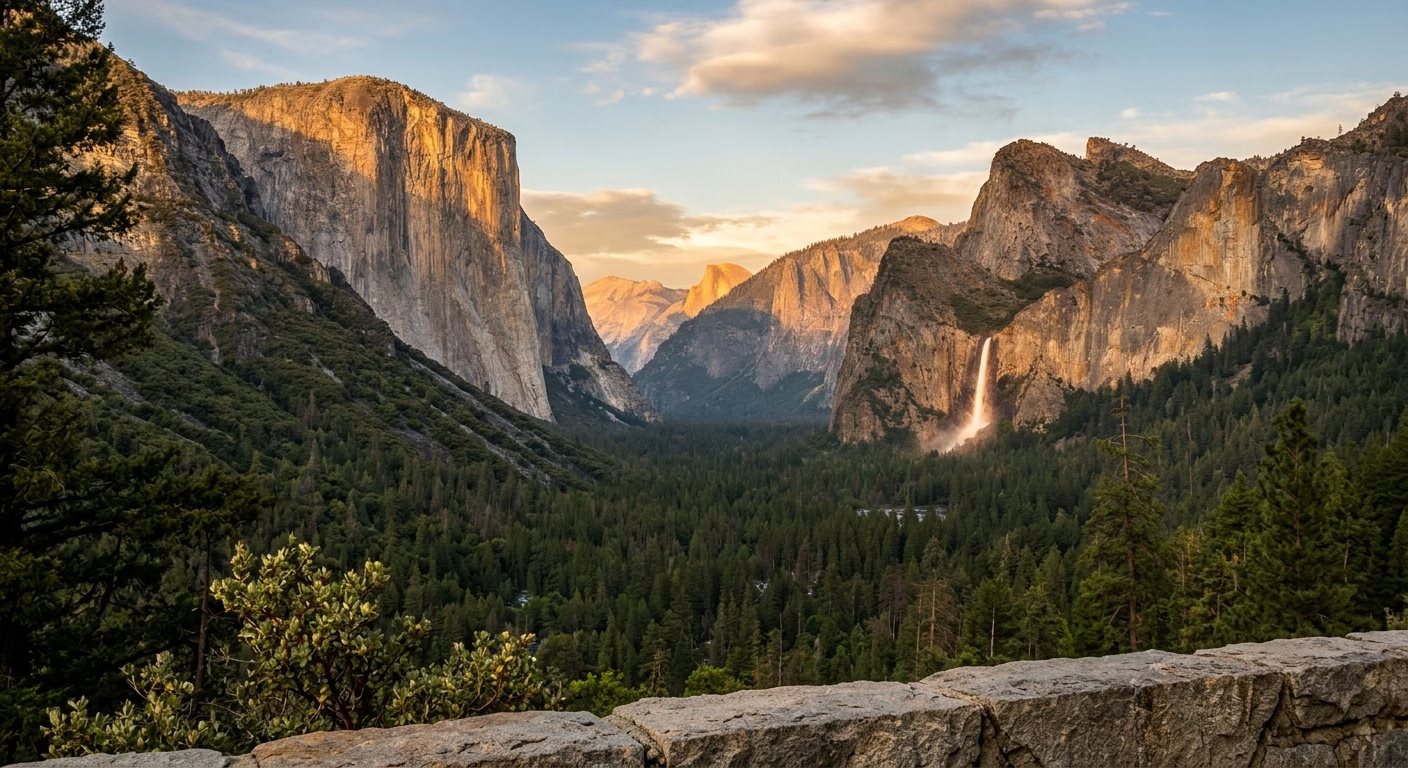
The things to do in Yosemite National Park range from five-minute roadside views to a full-day climb up Half Dome. You can stand at the foot of a waterfall, walk among giant sequoias, watch climbers on El Capitan, or drive into high country above 8,000 feet. This guide sorts them by effort, season, and who you are traveling with, so you can plan days that fit.
It also covers what changed for 2026. There is no entry reservation, non-US residents pay a new $100 fee, and your phone only gets a signal in a few places. Set up a Telekonek United States eSIM before you fly, and you land with data for the drive to the park.
Key takeaways
- Yosemite needs no entry reservation in 2026. You still pay $35 per vehicle, and non-US residents aged 16 and over pay an extra $100 each.
- Tunnel View, Glacier Point, and the Valley floor give you the famous views with very little walking.
- Pick hikes by elevation gain, not just distance. Half Dome needs a permit won through a lottery.
- Black bears live here. Store food and scented items the way the park requires, and stay at least 50 yards away.
- Tioga Road and Glacier Point Road are seasonal, so the time of year decides what you can reach.
- Cell service is mostly limited to eastern Yosemite Valley and a few developed areas. Download maps before you enter.
Why Yosemite National Park Is Worth the Trip
Yosemite covers nearly 1,200 square miles of granite cliffs, deep valleys, giant sequoia groves, rivers, and high-country meadows in California’s Sierra Nevada. That scale is why the things to do in Yosemite rarely fit into one rushed day.
Yosemite Valley holds the famous scenery. El Capitan rises above the valley floor, Half Dome fills the skyline, and Yosemite Falls drops in several tiers when water levels are high. Beyond the valley, the park changes fast. You can drive toward Tuolumne Meadows for open granite country, stand among ancient sequoias in Mariposa Grove, or find quiet riverbanks away from the traffic.
This landscape also helped shape the modern conservation movement. Yosemite Valley and the Mariposa Grove were placed under federal protection in 1864, and Yosemite became a national park in 1890. You are visiting a place protected for its forests, wildlife, watersheds, and cultural history, not only its views.
- For first-time visitors: Yosemite Valley gives you the most landmarks, trailheads, shuttle stops, and services in one place.
- For room to breathe: the high country, Hetch Hetchy, and less-central trails feel far removed from the valley crowds.
- For a non-hiking day: scenic drives, waterfalls, ranger programs, stargazing, and climbing culture give you plenty of things to do in Yosemite.
Plan for distance: two places that look close on a map can be an hour or more apart. Mountain roads, traffic, and seasonal closures stretch drive times. Download offline maps before you enter, and keep each day flexible around weather and road conditions.
Takeaway: Yosemite pairs world-famous granite scenery with real wilderness, so give it more than a drive-through.
What You Need to Enter Yosemite in 2026
Before you plan any things to do in Yosemite, sort out entry. Yosemite does not use a reservation system in 2026. The park dropped it after reviewing traffic from the 2025 season. It now relies on active parking management and extra staff at busy junctions instead. You can drive in on any day without booking a time slot.
No reservation does not mean no crowds. In July and August, Yosemite Valley parking lots can fill by mid-morning. Arrive early, park once, and use the free Valley shuttle or walk between stops.
- Standard entry: $35 per private vehicle, valid for seven days. The park does not accept cash, so bring a card or buy a digital pass on Recreation.gov in advance.
- Non-US residents: since January 1, 2026, each visitor aged 16 or older pays an extra $100 on top of the standard fee. Two adults from abroad sharing one car pay $235 in total.
- Nonresident annual pass: $250. It removes the $100 fee at Yosemite and the 10 other surcharge parks, including Grand Canyon, Yellowstone, and Zion. For a solo traveler, it pays off at three or more of these parks.
- Photo ID: US residents must show ID to avoid the surcharge, so every adult in the car should carry it.
- Fee-free days: in 2026, these apply only to US citizens and residents.
Buy your digital pass at home or on the drive in, while your Telekonek data still has a strong signal, and save it to your phone. Rules can change, so check the official Yosemite fees and passes page before you go.
Takeaway: No booking is needed in 2026, but budget for the fees, carry ID, and arrive early in summer.
1. Scenic Viewpoints: The Easiest Things to Do in Yosemite
Viewpoints are some of the most rewarding things to do in Yosemite National Park, especially when your time is short. Most sit right beside a parking area. Save them to an offline map before you set out, because signal fades quickly behind granite walls and on higher roads.
- Tunnel View: This is the classic first-look panorama from Wawona Road. You see El Capitan on the left, Bridalveil Fall on the right, and Half Dome at the far end of the valley. The parking area sits right beside the overlook, so it suits travelers with limited mobility or little time. Arrive early for fewer people and softer light, because the lot fills fast on busy days.
- Glacier Point: Glacier Point looks down on Yosemite Valley from above, with Half Dome almost at eye level and Nevada Fall in the distance. It is one of the park’s finest sunset stops, as the granite catches warm late-day light. A short paved path leads from the parking area to the main overlook. Glacier Point Road is seasonal and can close for snow or repairs, so do not assume it is open just because valley roads are clear.
- Washburn Point: A short drive before Glacier Point, this overlook gives you a clearer view of Vernal Fall and Nevada Fall. It is a smart stop for waterfall photos without a long trail. The roadside pullout is small, so keep your stop brief when traffic backs up.
- Valley View: Near the western end of Yosemite Valley, Valley View frames El Capitan, Cathedral Rocks, Bridalveil Fall, and the Merced River. Go near sunset, when calm water can reflect the cliffs. It is a roadside turnout, but uneven ground near the river makes it less easy than Tunnel View.
- Cook’s Meadow and Sentinel Bridge: These valley-floor views work well when Glacier Point Road is closed. Cook’s Meadow gives you a broad, open look at Half Dome and Yosemite Falls. Sentinel Bridge is the spot for Half Dome reflected in the Merced River, though low water or wind can spoil the reflection.
Stay safe at pullouts: never stop in a travel lane for a quick photo. Narrow roads, cyclists, shuttle traffic, and sudden pedestrian crossings make that dangerous. Use marked pullouts, and check road status before driving toward Glacier Point.
Takeaway: Choose Tunnel View for the easiest iconic panorama, Glacier Point for the high overlook when the road is open, and Valley View or Sentinel Bridge for quieter valley-floor photos.
2. Best Hikes in Yosemite for Every Skill Level
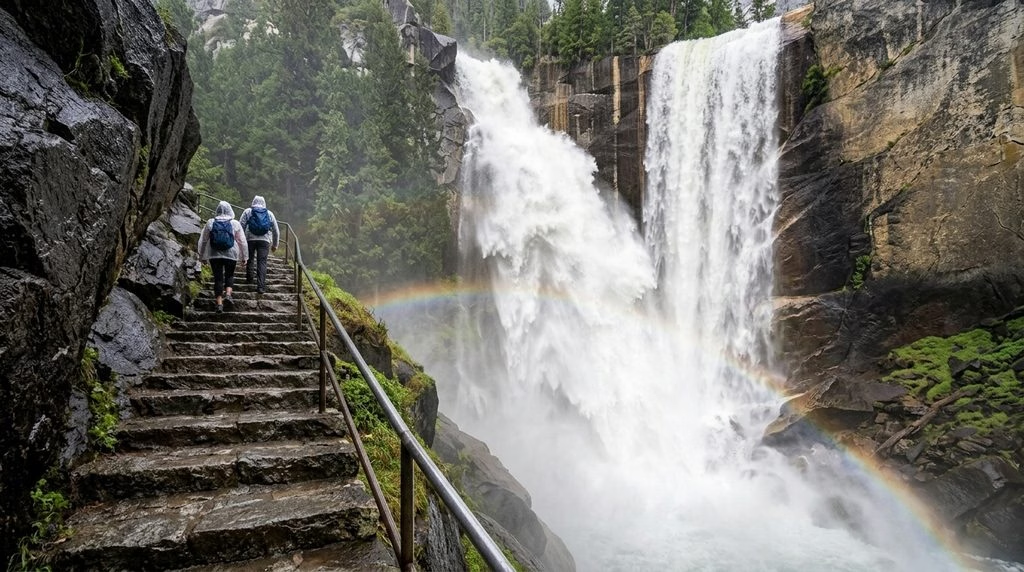
Hiking is one of the essential things to do in Yosemite National Park, and you do not need to tackle Half Dome to earn a great view. Choose by elevation gain as well as distance. A short Yosemite trail can still be steep, hot, or slippery.
Download trail maps before you leave your lodging, and keep your phone on low-power mode. Most trailheads beyond eastern Yosemite Valley have little or no signal.
- Lower Yosemite Fall Trail — 1-mile loop, easy: This paved, mostly level loop starts near Yosemite Valley Lodge. You get close to the base of the falls with very little effort. Go in spring for the strongest flow; by late summer, the falls can be thin or dry.
- Cook’s Meadow Loop — about 1 mile, easy: This flat boardwalk-and-path walk suits a slow morning, a stroller, or a recovery day. You get open meadow views without a climb. Stay on the boardwalk, especially when the meadow is wet.
- Mirror Lake Trail — 2 miles round trip to the lake, easy; about 5 miles as a loop: Take the out-and-back route for a relaxed walk, or continue around the loop for quieter forest. The “lake” is often a shallow seasonal pool, so do not expect a reflection in every month.
- Vernal Fall Footbridge via the Mist Trail — about 1.6 miles round trip, moderate: This is a solid half-day choice, with a steep uphill finish and views of the Merced River. Continue to the top of Vernal Fall, about 2.4 miles round trip, if you are comfortable on wet granite steps.
- Upper Yosemite Fall Trail — about 7.2 miles round trip, strenuous: The climb is relentless, with roughly 2,700 feet of elevation gain. Start at dawn, carry more water than you think you need, and turn around if heat or smoke makes breathing hard.
- Half Dome via the Mist Trail — roughly 14 to 16 miles round trip, very strenuous: Expect about 4,800 feet of elevation gain. This is an all-day mountain objective, not a casual add-on, and conditions can change quickly at the exposed summit.
Half Dome permits: you need one to climb the subdome and cables whenever the cables are up. That is usually from the Friday before Memorial Day to the day after the second Monday in October. Apply in the preseason lottery on Recreation.gov from March 1 to 31, with results in mid-April. A smaller daily lottery opens two days before each hiking date. Half Dome tops many lists of things to do in Yosemite, so permits are hard to win. Climbing without one can bring a fine of up to $5,000. Details are on the official Half Dome permit page.
Check trail status first: repair work closed the Mist Trail on some weekdays during 2026. Mist Trail steps also get slick from spray, Upper Yosemite Fall has little shade, and afternoon storms make high, exposed routes unsafe. Carry water, salty food, a light layer, and an offline map. Never rely on signal to guide you back.
For an easier high-country option when Glacier Point Road is open, choose Sentinel Dome or Taft Point, two of the most underrated things to do in Yosemite. Both reward a much shorter effort than Half Dome with big granite-and-valley views. The trailheads sit at high elevation, though, so they can feel harder than expected.
Takeaway: Pick Lower Yosemite Fall or Cook’s Meadow for easy access, Vernal Fall for a rewarding climb, and Half Dome only with a permit, an early start, and serious preparation.
3. Family-Friendly Things to Do in Yosemite National Park
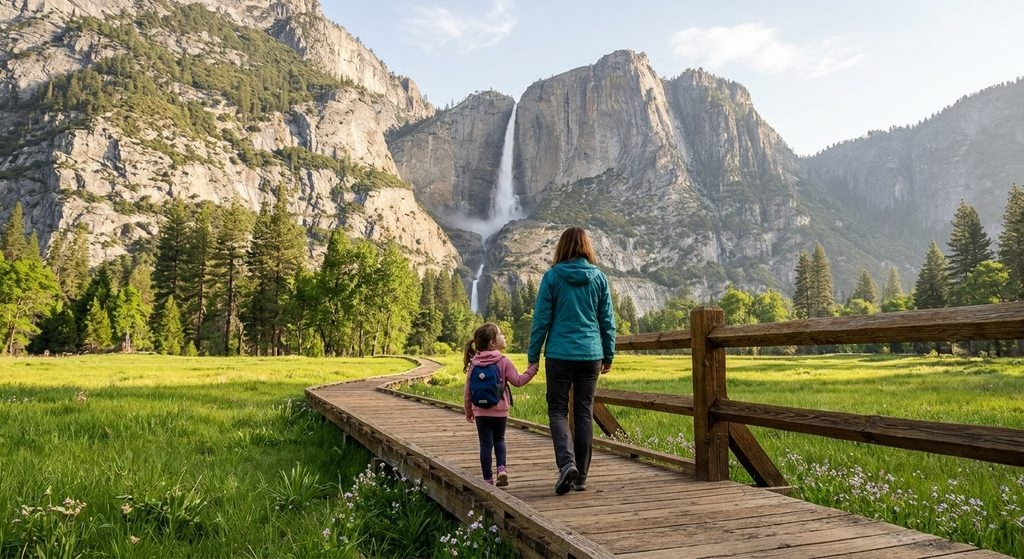
Families get the most from Yosemite when you mix one short outdoor activity with one easy indoor or vehicle-based stop. That rhythm keeps younger children interested and gives everyone a break from heat, crowds, and long walks.
Start at the Yosemite Valley Visitor Center. Children can pick up a Junior Ranger booklet, complete activities during the visit, and return it for a badge when the program is running. The exhibits turn granite cliffs, glaciers, and park history into stories children can follow, rather than scenery seen only through a car window.
For low-effort things to do in Yosemite with kids, build your day around these stops:
- Yosemite Valley shuttle: Let the free shuttle do the driving between major valley stops. It removes the stress of parking and gives tired children a seat between walks.
- Sentinel Bridge: This short stop offers a clear Merced River view toward Half Dome. Bring snacks and let children look for reflections when the water is calm.
- Happy Isles: This area in the eastern valley has river views, boulders, and short paths. It feels more like exploring than a formal hike.
- Yosemite Museum: The museum turns 100 in 2026. Add it for Indigenous cultural exhibits and a calm change of pace after a busy morning outside.
River safety comes first. The Merced River can look gentle near picnic areas, yet cold water, slick rocks, and strong current create real risk. Keep children within arm’s reach near the bank. Do not let them wade where the current moves fast, and never treat inflatable toys as safety gear.
Set a simple family rule before every stop. One adult watches the children, while the other handles photos, bags, or directions. Busy areas make it easy for a child to slip around a bend or into a crowd. Put a card with your phone number in each child’s pocket. Agree on a clear meeting point, such as the visitor center sign or a shuttle stop.
Pack more water and snacks than you expect to use. A picnic lunch saves time and avoids the midday rush. A small pair of binoculars gives children a mission without tempting them to approach animals. If your group splits up, make sure every adult’s phone has data. A Telekonek eSIM on each phone means anyone can message the group from the valley, though your agreed plan stays the backup.
Takeaway: Pair the Junior Ranger program and visitor center with short riverside stops, and keep every child close around water and crowds.
4. Unique Things to Do in Yosemite Beyond Hiking
Some of the most memorable things to do in Yosemite happen when you leave your hiking boots in the car. You can climb granite, watch the night sky, or take a slow drive through landscapes that change every few miles. Load maps and park notices before you enter, while you still have signal.
Rock climbing is Yosemite’s signature challenge. El Capitan, Cathedral Rocks, and the valley’s smaller crags draw experienced climbers from around the world. Only climb routes that match your real skills, and hire an authorized guide if you are new to outdoor climbing. Granite gets slick after rain, afternoon heat drains energy quickly, and some areas close each spring to protect nesting peregrine falcons. Read the National Park Service climbing guidance before you pack a rope.
Stargazing is one of the free things to do in Yosemite that most day visitors miss, and it gives the park a completely different mood. Find an open area after dark, let your eyes adjust for at least 20 minutes, and use the red-light setting on your headlamp. Broad valley viewpoints offer wide skies, but stay on established paths and never walk into unlit meadows. Bring a warm layer even after a hot day, as clear Sierra nights turn cold fast.
Scenic driving is one of the easiest things to do in Yosemite when you have limited mobility, tired children, or a rest day between bigger outings. Tioga Road is the high-country route when it is open, with granite domes, lakes, and sweeping pullouts. Glacier Point Road leads to the high valley views when conditions allow. Neither is a year-round drive, so use the park’s official current-conditions page rather than trusting a navigation app.
- For photographers: arrive at pullouts early, and keep lenses and snacks in the car for changing light.
- For quieter time: drive beyond the valley instead of circling crowded parking loops.
- For a low-key afternoon: rent or bring a bike and ride Yosemite Valley’s paved paths, staying alert for pedestrians.
Allow extra time: a scenic drive is never a quick shortcut. Road work, wildlife, and seasonal gates can turn a short-looking route into a long day. Save your route offline and carry water in the car.
Takeaway: Climbing, dark skies, biking, and condition-aware scenic drives let you experience Yosemite without adding another long trail.
5. Wildlife in Yosemite and How to Stay Safe Around Bears
Wildlife watching is one of the quieter things to do in Yosemite National Park, but it only works when you give animals room. You may spot mule deer in meadows, Steller’s jays near picnic areas, coyotes crossing open ground, and marmots on rocky high-country trails. Bobcats, mountain lions, and fishers live here too, but seeing one is unusual.
Black bears deserve your full attention. Yosemite is home to hundreds of American black bears, and no grizzlies. Their coats can be black, brown, cinnamon, or blond, so color does not tell you the species. A bear near a road or campground is still wild, however calm it seems.
- Keep your distance. Outside developed areas, stay at least 50 yards away, about four shuttle-bus lengths. Use a zoom lens, not a closer walk, for photos.
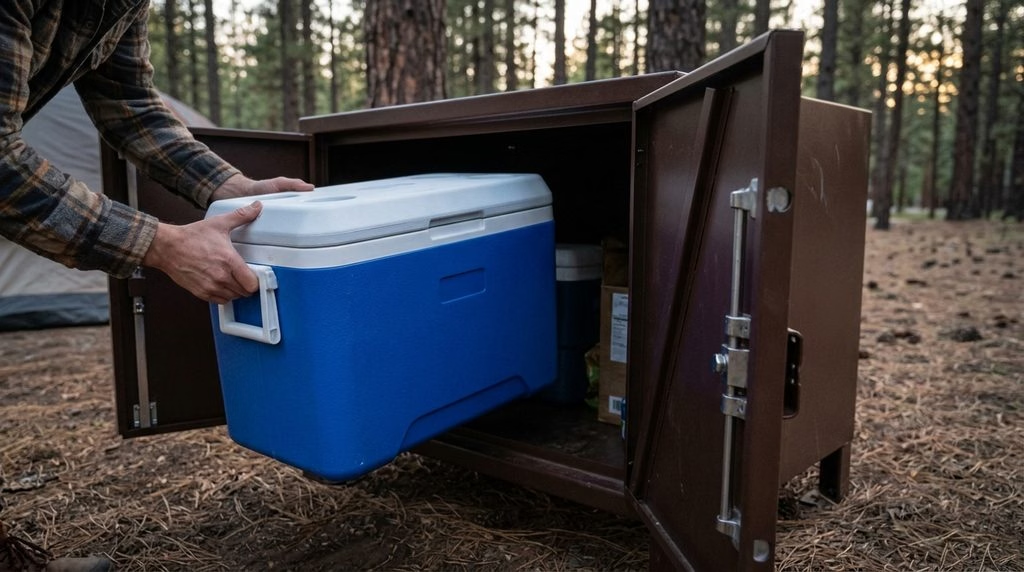
- Know what counts as food. The park’s rules cover anything with a scent: drinks, toiletries, cosmetics, trash, and even an empty cooler.
- Store it correctly. In daylight, food may stay in your car only if it is out of sight with the windows fully closed. After dark, it must go in a food locker. Lockers are at every campsite, Curry Village parking, and most trailhead lots.
- Scare bears from campsites and picnic areas. If a bear walks into a developed area or toward you, stand together, keep children close, and yell loudly. Do not run.
These storage rules carry the force of federal law. Breaking them can mean a fine of up to $5,000, and bears that learn to find human food are sometimes put down.
Avoid bear jams: never stop beside a bear on the road. Cars quickly create a crowd, block traffic, and can trap the animal between people and vehicles. Keep moving until you can park safely and watch from a proper distance. If a bear changes its behavior because you are there, you are too close.
Wildlife is most active around dawn and dusk, when light is low and roads are quieter. Read the National Park Service’s Yosemite bears and food storage page before you arrive.
Takeaway: Keep your distance, lock away every scented item, and let Yosemite’s animals stay wild.
6. How the Seasons Change What You Can Do in Yosemite
The season shapes more than the weather in Yosemite. It decides which roads you can drive, how strong the waterfalls look, and whether a trail feels peaceful or packed. To get the most from the things to do in Yosemite National Park, match your trip to the experience you want rather than chasing one perfect month.
- Spring: Choose spring for roaring waterfalls, green meadows, and the classic valley look. Snowmelt makes Yosemite Falls and Bridalveil Fall at their most dramatic, but higher roads and trailheads can still be snowbound. Valley paths may be wet or muddy, so waterproof shoes matter.
- Summer: Summer gives you the widest access to the high country once mountain roads open. It is the season for long hikes, climbing, and time around Tuolumne Meadows. The trade-off is heavy traffic, full parking lots, hot afternoons in the valley, and thunderstorms at higher elevations.
- Fall: Fall suits cooler hiking days, photography, and a calmer valley visit. Waterfalls run much lower than in spring, and some smaller falls dry up. Clear days are common, but an early storm can affect high-elevation travel with little warning.
- Winter: Winter narrows the things to do in Yosemite mostly to the valley. In return, you get quiet valley views, snow on granite walls, and snow play when conditions allow. Expect mountain roads to be closed or restricted, and carry tire chains when they are required.
Summer does not mean everything is open. Tioga Road and the routes toward Tuolumne Meadows depend on snowpack, plowing, and repairs. Glacier Point Road can also close for road work or storms. Before you leave your lodging, check the official Yosemite conditions page for roads, trail closures, and chain rules.
Spring and fall are usually your strongest choices for valley views and comfortable walking temperatures. Summer is better when high-elevation hiking is your priority. Winter makes sense when you value fewer crowds over a full driving itinerary. Use your Telekonek data for live road notices on the drive in, then download the park map and closure details before you climb into the mountains.
Takeaway: Pick spring for waterfalls, summer for high country, fall for calmer hiking, and winter for snowy valley scenery, then confirm road access right before you go.
7. What to Pack for a Yosemite Trip
Whichever things to do in Yosemite you choose, pack for changing ground, not just the forecast at your hotel. A warm valley morning can turn into a cold, windy afternoon at a viewpoint or trailhead. Bring light layers: a moisture-wicking shirt, a fleece or light insulated jacket, a waterproof shell, a hat, and sunglasses. Shoes with good grip matter more than heavy boots for paved paths and uneven granite.
Put a small daypack together before you leave each morning. Carry at least two liters of water per person, salty snacks, lunch, sunscreen, lip balm, a basic first-aid kit, blister pads, and a headlamp. A headlamp is not only for overnight trips. It helps when a walk runs long or you are delayed after sunset.
Food needs more thought here than on an ordinary road trip. Pack meals that travel well in a cooler, such as sandwiches, fruit, nuts, and tortillas. Keep every scented item secured when you step away from it, and follow the bear storage rules above. Stores inside the park carry basics, but they are busy and pricier, so buy your main supplies in a gateway town.
Your phone handles photos, navigation, and saved confirmations, but it is not an emergency guarantee. Download offline maps, trail details, and booking screenshots before you reach the park. Your Telekonek eSIM keeps you connected on the drive and in eastern Yosemite Valley, and a power bank buys you time when signal or battery runs low.
First-time Yosemite checklist:
- Save your entrance pass, lodging, parking, and activity confirmations offline.
- Carry photo ID for every adult in your car.
- Pack layers, rain protection, sun protection, and shoes with good traction.
- Carry water, food, a refillable bottle, and an emergency snack.
- Bring a power bank, a charging cable, and downloaded maps.
- Keep a paper map or written route notes in your car.
- Check road, weather, and trail conditions on the morning you travel.
- Tell someone outside your group where you are going and when you expect to return.
Skip the cotton: hoodies and casual sneakers feel fine in a parking lot, then turn cold, wet, and slippery on a shaded trail.
Takeaway: Pack for sun, cold, uneven ground, limited signal, and a full day away from shops.
8. Guided Tours and Ranger Programs in Yosemite
Guided trips turn Yosemite’s huge landscape into a clearer, calmer day. They help most when your time is short, you are new to mountain travel, or you want context a trail sign cannot give. A guided trip is also one of the easiest things to do in Yosemite on a short visit. Schedules, routes, and prices change with the season and road conditions. Confirm what is running for your dates on the official Yosemite National Park website.
- Ranger-led walks and talks: These suit you when you want park history, geology, wildlife guidance, or an easy family activity. Most focus on one small area, so pair one with a scenic stop or shuttle ride.
- Guided hiking: A guide sets a sensible pace, points out route details, and reads changing trail conditions. This works well when you want more than a paved valley walk but would rather not navigate alone.
- Valley sightseeing tours: These suit you if long walks are difficult or you only have one day. You spend less energy parking and more time looking up at El Capitan, Half Dome, and the waterfalls.
- Specialist outings: Photography, climbing, natural-history, and winter trips run at different times of year. Choose one only if the activity matches your ability and gear.
A good guide adds more than transport. You learn why waterfalls change through the year and where to spot wildlife without crowding it. You also learn why an easy-looking trail can turn risky in heat, snow, or high water. That local judgment makes guided time one of the more practical things to do in Yosemite National Park.
Read the fine print: a “Yosemite tour” does not always mean much time inside the park. Some start far outside the gates and spend hours driving. Check the pickup point, total time in Yosemite, walking distance, and cancellation rules before you pay. If you are not a US resident, ask whether the price includes the $100 nonresident fee, which also applies on commercial tours. Ask about mobility needs too, since access differs between vehicles, stops, and trails.
Save your confirmation, your guide’s phone number, and the meeting instructions offline before you set out.
Takeaway: Choose a ranger program for insight, a sightseeing tour for ease, or a guided hike for confidence, and confirm the route and full cost before you book.
How to Stay Connected in Yosemite
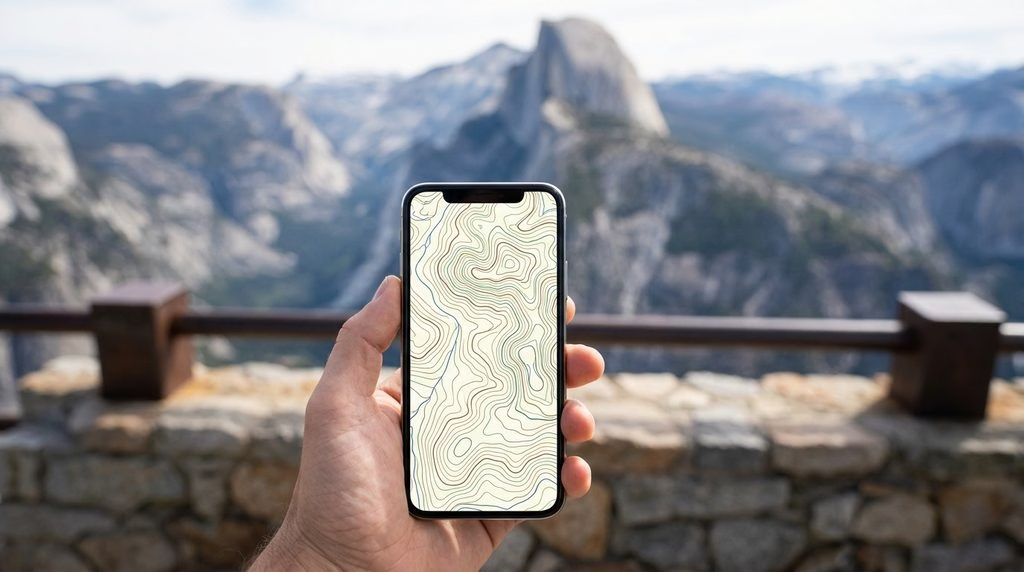
Your phone is a planning tool in Yosemite, not a safety net. Granite walls, forest, and long stretches of remote road block signal across most of the park. Most things to do in Yosemite happen out of signal range, so use data where it works and go offline everywhere else.
Your Telekonek United States eSIM runs on Verizon and AT&T, the networks that carry most of the coverage inside the park. Here is where the National Park Service says to expect a signal:
- Yosemite Valley: 4G LTE on both networks, strongest in the eastern valley around Yosemite Village.
- Glacier Point: AT&T signal.
- Wawona, Crane Flat, and Foresta: Verizon signal.
- Tuolumne Meadows: no reliable service. The nearest dependable signal is in Lee Vining, outside the park’s east entrance.
Coverage can change, so check the park’s cell service and internet page before your trip. Wi-Fi is available to overnight guests at The Ahwahnee, Yosemite Valley Lodge, and Curry Village.
Install your eSIM at home on Wi-Fi, before you fly. An eSIM is a digital SIM built into most recent phones, so you add travel data without removing your home SIM. Check that your phone supports eSIM and is unlocked first. Telekonek covers 200+ countries, so the same eSIM keeps working if Yosemite is one stop on a longer trip.
- Save maps for offline use: Download Yosemite Valley, your trail route, and the road back to your lodging. Offline maps show your GPS location even when mobile data disappears.
- Screenshot key details: Keep copies of your entrance pass, lodging address, campsite details, tour confirmations, and any permits. A confirmation email is no help if it will not load.
- Share a simple plan: Tell someone where you are going, which trail or viewpoint you chose, and when you expect to return. Send it before you leave the last good signal area.
- Protect your battery: Carry a charged power bank and cable. In dead zones, switch on airplane mode so your phone stops burning power hunting for a signal. GPS and offline maps keep working.
Use data thoughtfully at busy stops. In the valley, your Telekonek line lets you send a quick update, share a few photos, or arrange a pickup after a shuttle ride. Save full-resolution video uploads for Wi-Fi at your lodging or after you leave the park.
Ignore risky shortcuts: never follow a navigation app onto an unverified forest road just because it looks shorter. In mountain country, the fastest-looking route can be seasonal, rough, or closed. Stick to the main approach roads.
Takeaway: Get online in eastern Yosemite Valley, then go offline with confidence: maps downloaded, plans shared, and battery charged.
Frequently Asked Questions About Yosemite National Park
Do you need a reservation to visit Yosemite in 2026? No. Yosemite is not using an entry reservation system in 2026. You still need an entrance pass, and lodging, campsites, and Half Dome permits still need booking in advance.
How much does it cost to enter Yosemite? A private vehicle pays $35 for seven days. If you are not a US resident, each person aged 16 or older also pays $100, unless you hold the $250 nonresident annual pass.
How many days do you need to see the main things to do in Yosemite? Two to three days covers Yosemite Valley, one high viewpoint, and a moderate hike without rushing. Add a day for Mariposa Grove, or for Tuolumne Meadows when Tioga Road is open.
How long does it take to drive through Yosemite National Park? There is no quick drive-through once you add viewpoints, traffic, and parking. Give yourself at least half a day for an entrance-to-valley visit, even if you only stop at Tunnel View, the valley floor, and one waterfall trail.
A route that looks short on a map can take much longer behind slow vehicles, shuttles, cyclists, and wildlife crossings. If you plan to use Tioga Road, remember that it closes with snow. Check official Yosemite conditions before committing to a cross-park route.
Have bears caused problems in Yosemite before? Yes. The bear rules exist because bears learned over many years that cars, tents, backpacks, and picnic areas held easy food. A bear that finds food near people returns to the same place, which puts both you and the bear at risk.
Never keep food, drinks, toiletries, or trash in your tent. After dark, nothing scented can stay in your car. Use the food lockers at campgrounds and trailheads exactly as directed, even for a short stop. If you see a bear, give it space and never approach for a photo.
How can you hike safely in Yosemite? Start earlier than you think you need to. Morning starts give you cooler air, more parking, and spare time if your pace is slower than planned. Tell someone your route and return time, especially beyond the busy valley paths.
- Turn around early: Save enough water, daylight, and energy for the return, not just the summit or waterfall.
- Stay off wet granite: Polished rock near waterfalls is extremely slick, and a fall into fast water can be fatal.
- Watch the sky: Move away from exposed ridges, lone trees, and water when thunderstorms build.
- Keep children close: Steep drop-offs and swift rivers can sit just a few steps from a popular trail.
Can you rely on your phone for navigation or emergencies? No. Outside eastern Yosemite Valley and a few developed areas, service is patchy or absent. Download offline maps and save your bookings before your hike. Carry a paper map, or screenshot your route, parking spot, and trail junctions.
What goes wrong most often? Many hard days start with a simple mistake: a late start, an underestimated climb, or a social-media pin instead of a marked trail. Stay on signed routes, never climb over railings, and treat seasonal closures as safety rules rather than suggestions.
Before you start working through your things to do in Yosemite, set up your US eSIM from Telekonek at home, then download your Yosemite maps and alerts while you still have Wi-Fi. You land with data for the drive in and a plan for every dead zone after it.