
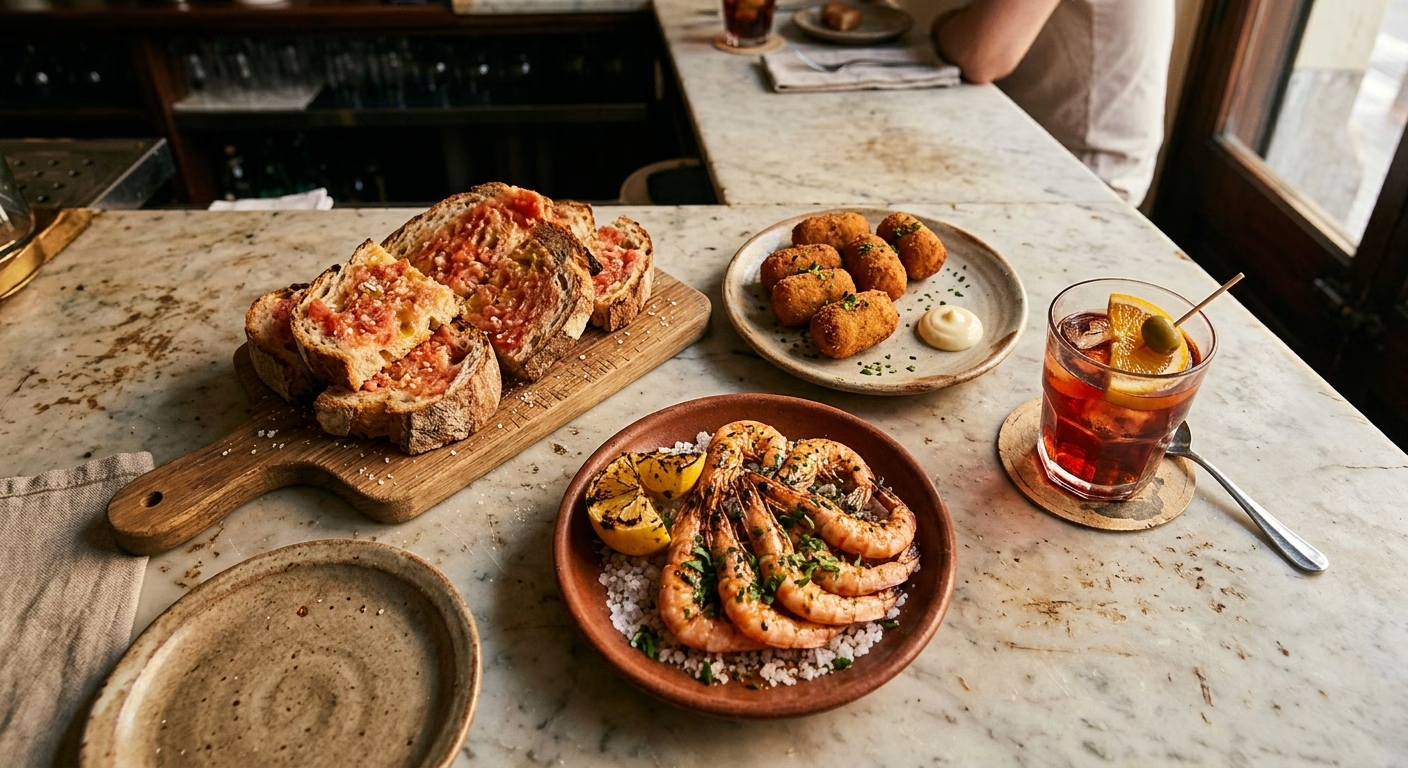
The best restaurants in Barcelona, Spain are rarely the ones with a photo menu outside. This guide gives you thirteen specific addresses, the days each kitchen closes, what a meal actually costs, and which places take bookings and which do not. Barcelona rewards planning more than most food cities, because its best rooms are small, its lunch hours are short, and several of the classics shut on days visitors assume they are open.
Key takeaways
- Book six to eight weeks ahead for a tasting menu, and treat any Friday or Saturday table as harder again.
- Lunch is the value meal. A weekday menú del día runs roughly €14–€22 for three courses.
- Check the closing day before you cross the city. Several of the best kitchens close Sunday, Monday, or both.
- Paella is Valencian. In Barcelona, order arròs, fideuà, or a suquet stew.
- Some of the best tables take no bookings at all. Walk-in spots reward arriving at opening, not at prime time.
Best Restaurants in Barcelona at a Glance
Every restaurant below is listed with its street address and neighbourhood, so you can plan an evening around one area instead of crossing the city between courses. Save these addresses before you go out. A Telekonek Spain eSIM means the map, the booking email, and the current menu are all reachable the moment you land, with no SIM shop to find first.
| Restaurant | Address | Neighbourhood | Roughly |
|---|---|---|---|
| Disfrutar | Carrer de Villarroel, 163 | Eixample | €290 tasting |
| Berbena | Carrer de Minerva, 6 | Gràcia | €70–€110 |
| Brabo | Carrer de Sèneca, 28 | Gràcia | €60–€100 |
| Gresca | Carrer de Provença, 230 | Eixample | €60–€100 |
| Suculent | Rambla del Raval, 45 | El Raval | €55–€90 |
| Maleducat | Carrer de Manso, 54 | Sant Antoni | €45–€75 |
| Bar Cañete | Carrer de la Unió, 17 | El Raval | €45–€70 |
| Can Pineda | Carrer de Sant Joan de Malta, 55 | El Clot | €45–€70 |
| 7 Portes | Passeig d’Isabel II, 14 | Port Vell | €40–€65 |
| Can Culleretes | Carrer d’en Quintana, 5 | Barri Gòtic | €35–€55 |
| Bar Canyí | Carrer de Sepúlveda, 107 | Sant Antoni | €25–€40 |
| Bodega La Palma | Carrer de la Palma de Sant Just, 7 | Barri Gòtic | €25–€40 |
| La Cova Fumada | Carrer del Baluard, 56 | Barceloneta | €20–€35 |
Figures are per person for a normal meal with one drink, current at the time of writing. Wine moves them fast. Check the restaurant’s own menu before you build an evening around a number.
Takeaway: Pick one neighbourhood per evening, then choose from the addresses in that area rather than chasing a name across town.
Where to Eat Traditional Catalan Food
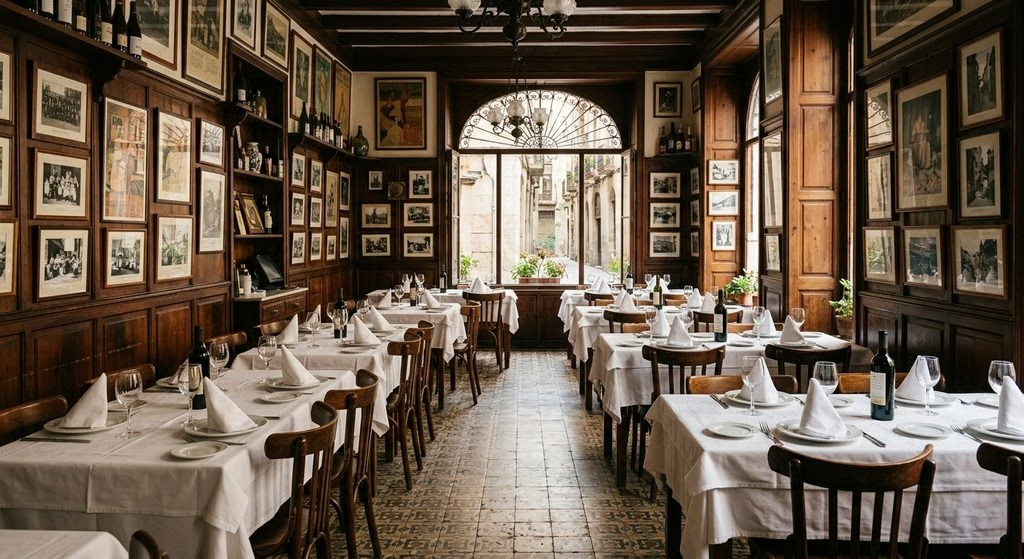
Catalan cooking is slow, seasonal, and built on good produce: salt cod, mushrooms, pork, seafood, beans, and sauces thickened with nuts and garlic. These are the rooms that have been doing it longest.
- Can Culleretes — Carrer d’en Quintana, 5, Barri Gòtic. Trading since 1786, which makes it one of the oldest restaurants in Spain. Order canelons, the baked pasta tubes with a rich meat filling, then crema catalana to finish. Closed Monday. Tuesday and Wednesday are lunch only, and Sunday is lunch only too, so an evening plan needs a Thursday to Saturday date.
- 7 Portes — Passeig d’Isabel II, 14, near Port Vell. Come for rice. The smart order is arròs parellada, a seafood-and-meat rice with the shells and bones already removed. Rice is cooked to order, so allow time. Open every day from 1pm to midnight, which makes it useful when everywhere else is shut.
- Can Pineda — Carrer de Sant Joan de Malta, 55, El Clot. Twenty minutes out of the sightseeing zone and worth the metro ride for heartier cooking: oxtail from a recipe the family has run since 1972, plus fricandó, thin beef with mushrooms. Closed Sunday and Monday.
- Bodega La Palma — Carrer de la Palma de Sant Just, 7, Barri Gòtic. A 1935 bodega on a quiet lane, good for vermouth and shared plates rather than a formal dinner. Start with esqueixada, shredded salt cod with tomato and olive oil. Closed Sunday.
- La Cova Fumada — Carrer del Baluard, 56, Barceloneta. No menus, no bookings, no sign worth speaking of. This is where the bomba was invented, and it is still the order. Open mornings only, roughly 9am to 3pm on weekdays and closing at 2pm on Saturday, shut Sunday. Arrive at opening or queue.
Watch out for the word “paella.” It is Valencian, not Catalan. A giant pan displayed outside a restaurant on La Rambla is a warning sign, not an invitation. Ask for arròs, fideuà, or a seafood suquet instead.
Takeaway: Can Culleretes and 7 Portes give you the classic central rooms; Can Pineda is the one worth leaving the centre for.
Modern and Chef-Led Restaurants in Barcelona
This is where Barcelona’s kitchens are most interesting right now: small rooms, short menus, and cooking that changes with the market. Several of the best restaurants in Barcelona in this bracket seat fewer than forty people, so a walk-in plan can fail on a Thursday.
- Bar Canyí — Carrer de Sepúlveda, 107, Sant Antoni. A former old-man’s bar taken over by the chefs behind the Michelin-starred Slow & Low down the road. Fine-dining technique applied to bar food: real jamón ibérico in the croquettes, mojama cut from tuna belly, a short blackboard menu that changes. It takes no reservations at all — walk in, and go early. Closed Sunday and Monday.
- Berbena — Carrer de Minerva, 6, Gràcia. A tiny room where the cooks also serve the tables, which tells you how small it is. Sharing plates, seasonal produce, and a wine list worth committing to a bottle for. Dinner only from Monday to Thursday, with a Friday lunch service, and closed at weekends. Book well ahead.
- Brabo — Carrer de Sèneca, 28, Gràcia. A modern grill house from Rafa Panatieri and Jorge Sastre, the pair behind Sartoria Panatieri. Everything meets the fire, including the bread. The Friesian T-bone is built for sharing, and the house-made charcuterie is the way to start.
- Maleducat — Carrer de Manso, 54, Sant Antoni. A few steps from the market, mixing sea and mountain cooking for what the owners call nonconformist eaters. Small bites plus larger sharing dishes, with strong daily specials and consistently good rice.
- Gresca — Carrer de Provença, 230, Eixample. Chef-led, market-driven, and open every day for both lunch and dinner, which is rarer than it sounds in this bracket. Treat the daily menu as the point rather than chasing one fixed dish.
- Suculent — Rambla del Raval, 45, El Raval. Bold sauces, rice, offal, and deep seafood flavour without the ceremony. Closed Saturday and Sunday, which catches out weekend visitors.
- Bar Cañete — Carrer de la Unió, 17, El Raval. Counter seating along an open kitchen, minutes from La Rambla but nothing like the restaurants on it. Seafood, Iberian pork, croquettes, and a squid sandwich people order twice. Closed Sunday.
Watch out for: menus in this group change with the market. Do not travel across the city for one specific dish without checking that day’s board first.
Takeaway: Berbena for a small, warm dinner; Brabo or Maleducat for a group; Bar Canyí when you want the cooking without the booking.
Michelin-Starred Restaurants in Barcelona
Barcelona holds more than two dozen starred restaurants, and four of them carry three stars: Disfrutar, ABaC, Lasarte, and Cocina Hermanos Torres. At two stars you have Cinc Sentits, Moments, and Enoteca Paco Pérez. The one-star list runs to around nineteen names, including Alkimia, Dos Palillos, Mont Bar, Enigma, Caelis, Koy Shunka, Hofmann, Oria, Angle, and Via Veneto. Half the city’s starred kitchens sit in Eixample.
Disfrutar, at Carrer de Villarroel 163 in Eixample, is the one to know. It was run up by three chefs who trained together at elBulli, took its third star in 2024, and was named the world’s best restaurant the same year. Two tasting menus run at around €290 each before the wine pairing. It is closed Saturday and Sunday, and the dining room sits opposite the Ninot market, which is worth a look while you wait.
Stars, chefs, and menu formats change between guide editions, so confirm the current listing on the Michelin Guide’s Barcelona page and book through the restaurant’s own calendar rather than a third-party site.
- For the full evening: pick a set menu with a wine pairing and clear three hours. Some rooms seat earlier than you expect, so read the confirmation time carefully.
- For a shorter version: several starred restaurants run a lunch menu or counter seating. You get the cooking without the whole night, though availability is thin.
- For allergies: state them in the booking notes, not on arrival. Tasting menus are difficult to rework at the table.
Watch out for cancellation terms. Most high-end rooms take card details and charge for late cancellations or no-shows. Save the deadline to your calendar the day you book.
Takeaway: Treat one starred meal as the anchor of the trip, then build the rest of your eating around the casual rooms above.
Casual Eating, Markets and Cheap Meals
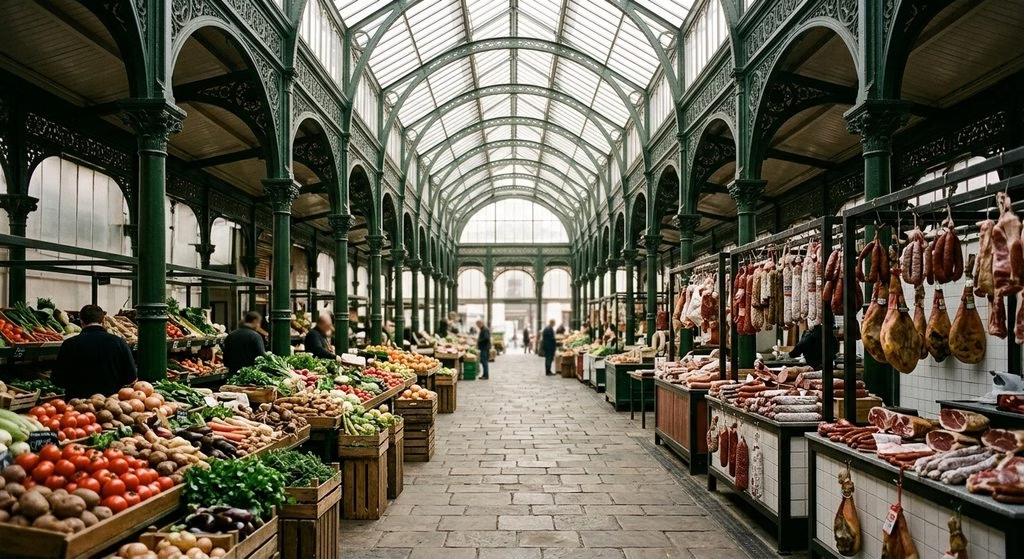
Barcelona’s casual food happens in bars, bakeries, and market counters rather than at street carts. Eat in short stops through the day and you spend far less than the headline restaurant prices suggest.
- Mid-morning: a bocadillo and coffee, roughly €5–€10.
- Weekday lunch: the menú del día, three courses with bread and usually a drink, about €14–€22. It stops around 3:30pm and it is the single best-value meal in the city.
- Bar plates: croquetas, patatas bravas, grilled vegetables, anchovies, tortilla. Plan €20–€35 per person when you share and keep drinks simple.
- Markets: Sant Antoni’s restored 1882 hall has wider aisles and vendors selling to locals rather than posing for photographs. Better than La Boqueria for actually eating.
A short queue at 1:30pm is a better sign than a large photo menu in four languages. If a terrace has a view of something famous, read the prices before you sit down.
Watch out for the extras. Menu prices include VAT, but bread, bottled water, and aperitifs often appear as separate lines. Tap water does not arrive automatically — ask for it.
Takeaway: Build your days around one weekday lunch menu and neighbourhood bars, and save the budget for one serious dinner.
Best Neighbourhoods in Barcelona for Food
The best restaurants in Barcelona sit in neighbourhoods with very different prices and rhythms. Choose an area for the evening and walk it.
- Sant Antoni — the strongest single area right now. Bar Canyí and Maleducat are four minutes apart, the market anchors the neighbourhood, and vermouth before dinner is normal. Watch for Monday closures.
- Gràcia — Berbena and Brabo, plus squares that fill with people from about 7pm. It still feels like the separate town it was until 1897. Terraces facing the squares get loud after 9pm.
- Eixample — Disfrutar and Gresca, wide blocks, easy metro access, and more comfortable dining rooms than the old city. Some entrances sit inside quiet residential blocks and are easy to walk straight past.
- Barri Gòtic — Can Culleretes and Bodega La Palma give you the historic rooms. Eat a few streets away from La Rambla and Plaça Reial, then walk back through the old quarter afterwards.
- El Raval — Bar Cañete and Suculent, both a short walk from the Gothic Quarter and both considerably better than anything on the tourist strip nearby.
- Barceloneta — skip the beachfront promenade and cut into the grid behind it for La Cova Fumada and the old seafood counters.
If you are pairing meals with sightseeing, our guide to things to do and see in Barcelona covers ticket prices, free-entry days, and which neighbourhoods sit near which sights.
Takeaway: Sant Antoni for the best concentration, Gràcia for atmosphere, Eixample for a planned dinner, the Gothic Quarter for history.
Reservations, Closing Days and Walk-Ins
Booking is where most Barcelona food plans go wrong, and it is not always because a restaurant is full. Several of the best restaurants in Barcelona take no bookings, and several more close on days visitors expect them to be open.
- No reservations: Bar Canyí and La Cova Fumada. Arrive at opening. At La Cova Fumada, give your name and wait next door.
- Book six to eight weeks out: Disfrutar and any other starred room, especially for a weekend.
- Book a week or two out: Berbena, Brabo, Suculent, Can Pineda, Bar Cañete, and 7 Portes for a weekend evening.
- Closed Sunday: Bar Cañete, Bodega La Palma, La Cova Fumada, Suculent, Can Pineda, Bar Canyí, Berbena, Disfrutar.
- Closed Monday: Can Culleretes, Can Pineda, Bar Canyí.
Dinner in Barcelona starts later than most visitors expect. An 8pm booking will feel quiet; the room fills after 9. Take the early slot when you have a train or an early start the next day, and the late one when you want the real atmosphere.
If your date is full, join the official waitlist and check again in the last two or three days. Cancellations appear as other travellers firm up their plans. Keep notifications on and be ready to confirm within minutes — with Telekonek running your data from the moment you land, that alert reaches you on a beach or a metro platform rather than waiting for hotel Wi-Fi.
Watch out for: a booking request, a waitlist entry, and a card authorisation are not the same as a confirmed table. Wait for the confirmation email before you build an evening around it.
Takeaway: Check the closing day first, book the headline meal before anything else, and treat walk-in places as an opening-time plan.
Eating with Dietary Restrictions
Barcelona handles dietary needs better than its meat-and-seafood reputation suggests, but a simple-looking dish is not automatically safe. Pork stock, fish broth, flour, butter, and egg turn up in sauces, croquettes, rice, and even vegetable plates.
- Vegan: ask for vegano, not vegetariano. Escalivada works well, but confirm there are no anchovies. Bread may be brushed with animal fat or arrive with cured ham.
- Gluten-free: say soy celíaco or soy celíaca if you have coeliac disease, then ask about cross-contact. Sin gluten means no gluten ingredients, not a separate fryer. Croquettes, battered seafood, and flour-thickened sauces are the traps.
- Allergies: name the exact allergen and the severity. Nut-based sauces are core to Catalan cooking, and shellfish hides in stocks and rice.
- Halal or pork-free: seafood and vegetable-led kitchens are easier. Ask about cooking fats and garnishes; a vegetable plate finished with ham is common.
The phrase to save is “¿Me puede decir los alérgenos y si pueden evitar la contaminación cruzada?” — “Can you tell me the allergens and whether you can avoid cross-contact?” Put it in the booking note as well as saying it at the table, and go for an early seating where staff have time to talk it through properly.
Takeaway: Tell the restaurant when you book, use the precise Spanish terms, and treat hidden stocks and shared fryers as the real risk.
Staying Connected While You Eat Your Way Around Barcelona
Barcelona’s food is spread across narrow lanes, market halls, and residential blocks where the entrance is easy to miss. A working connection is what turns a list of addresses into an actual evening.
Install your Spain eSIM at home while you still have stable Wi-Fi. In Spain, Telekonek runs on Orange and Movistar, so you are on two of the country’s main networks rather than a single fallback. Your phone needs to be unlocked and eSIM-capable. Set Telekonek as your data line, switch mobile data off on your home line, and keep that line active only for calls and bank codes. Plans reach 200+ countries, and a Europe eSIM keeps the same setup running if Barcelona is one stop on a longer route.
- Download the Barcelona map area offline. GPS locates you without data, but live walking routes and current opening hours do not.
- Read the newest reviews, not the average score. Chefs, menus, and closing days change faster than a four-year-old rating.
- Save the booking confirmation to your phone. Signal drops inside thick stone buildings in the Gothic Quarter.
Watch out for café Wi-Fi. It is often slow, needs a password from staff, and drops the moment you step outside to find the next stop. It is not something to depend on for a booking QR code or a payment app.
Takeaway: Set up before you fly, save bookings offline, and use live data for the closures and wrong turns that a printed list cannot warn you about.
Frequently Asked Questions
What is the single best restaurant in Barcelona? Disfrutar, if the question is about ambition and you can get a table — three Michelin stars and the world’s top ranking in 2024. For traditional Catalan atmosphere the answer is Can Culleretes, and for a relaxed meal of very well-made bar food it is Bar Canyí. Pick for the evening you want, not the ranking.
What foods should you not miss? Pa amb tomàquet, the toasted bread rubbed with ripe tomato that starts most meals. Then bombes, croquetas, grilled seafood, esqueixada, canelons, and crema catalana. Order a proper rice dish rather than assuming paella is local.
How much should you budget for food per day? Around €60–€90 per person covers a market breakfast, a weekday lunch menu, and a good casual dinner with wine. Add a starred tasting menu and the day roughly triples.
Do you need reservations for casual restaurants? Often not, but timing matters more than booking. Arrive for an early lunch or before about 8:30pm for dinner. Some of the best places take no bookings at all, so the queue is the system rather than a sign of poor planning.
When is the best time of year to eat in Barcelona? Late spring and early autumn, when terraces work, produce is at its best, and the city is not at peak summer pressure. Our guide to the best time to go to Spain breaks the seasons down by region, and the wider Spain travel guide covers routes and transport.
Takeaway: Choose the style of evening first, check the closing day second, and book the one meal that matters before you book anything else.