
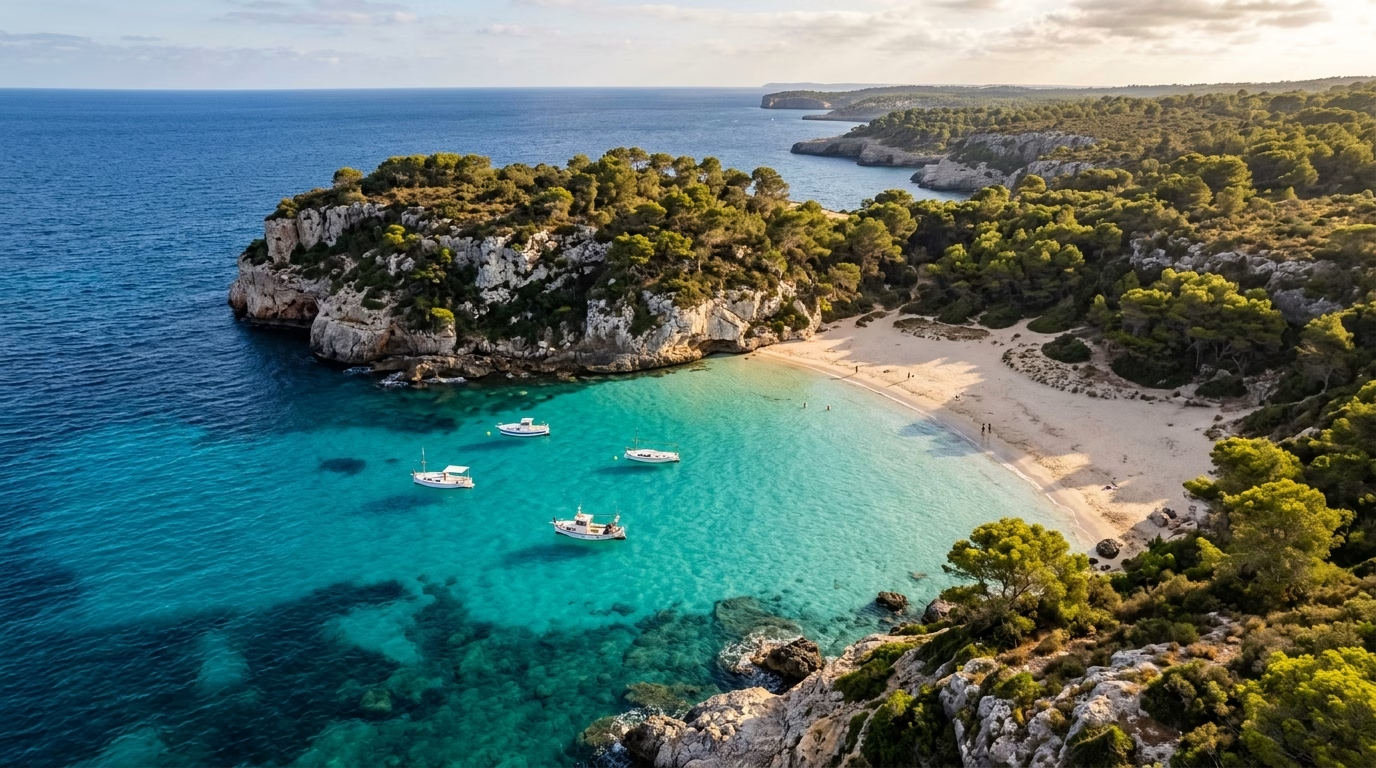
Menorca is the quietest of Spain’s Balearic Islands, and the one that rewards planning. This guide covers the coves worth the walk, the difference between basing yourself in Maó or Ciutadella, when to go, and how to move around an island where the best beaches sit well off the main road.
What Makes Menorca Unique in the Balearic Islands?
Menorca sits in the northeast of the Balearic archipelago, east of Mallorca and north of Ibiza. At about 700 square kilometres, it is far smaller than Mallorca but slightly larger than Ibiza. Its long, narrow shape makes it feel varied without being overwhelming: you can cross between the island’s two main towns, Maó and Ciutadella, in roughly an hour by car.
Unlike Mallorca’s large resort strips and Ibiza’s club-focused reputation, Menorca is defined by open land, dry-stone walls, pine woods, and deeply cut coves. Much of the island is protected as a UNESCO Biosphere Reserve, which helps explain why development feels lower-rise and beaches often sit behind walking trails rather than hotel blocks.
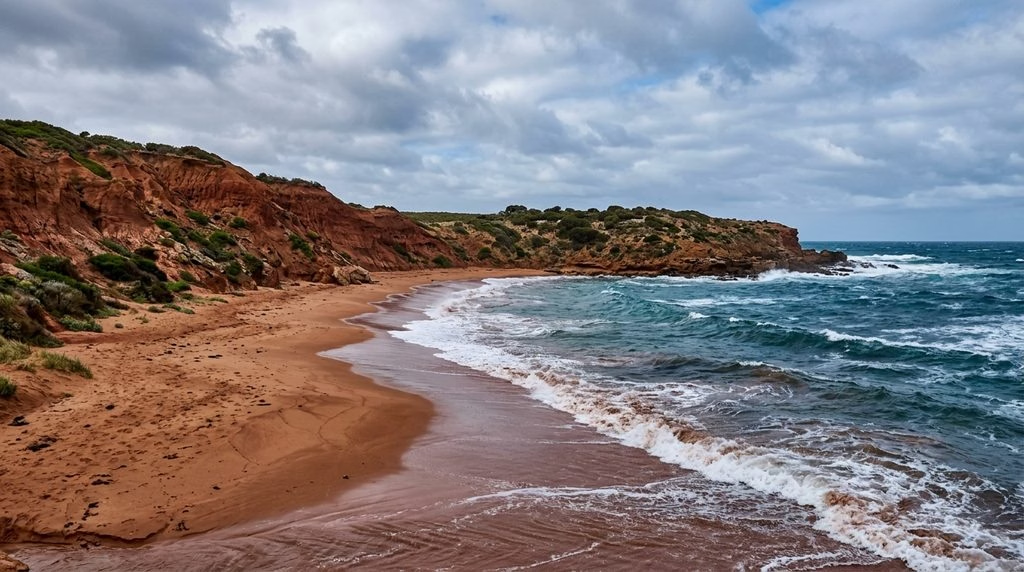
- North coast: rougher, windier, and geologically dramatic. Expect red earth, darker sand, and broad bays shaped by the Tramuntana wind.
- South coast: pale limestone cliffs, turquoise water, and small calas tucked into ravines. These are the postcard coves, but access can involve a steep walk.
- Interior: farmland, grazing animals, and stone walls. Monte Toro, the island’s highest point, gives you a useful sense of Menorca’s compact scale.
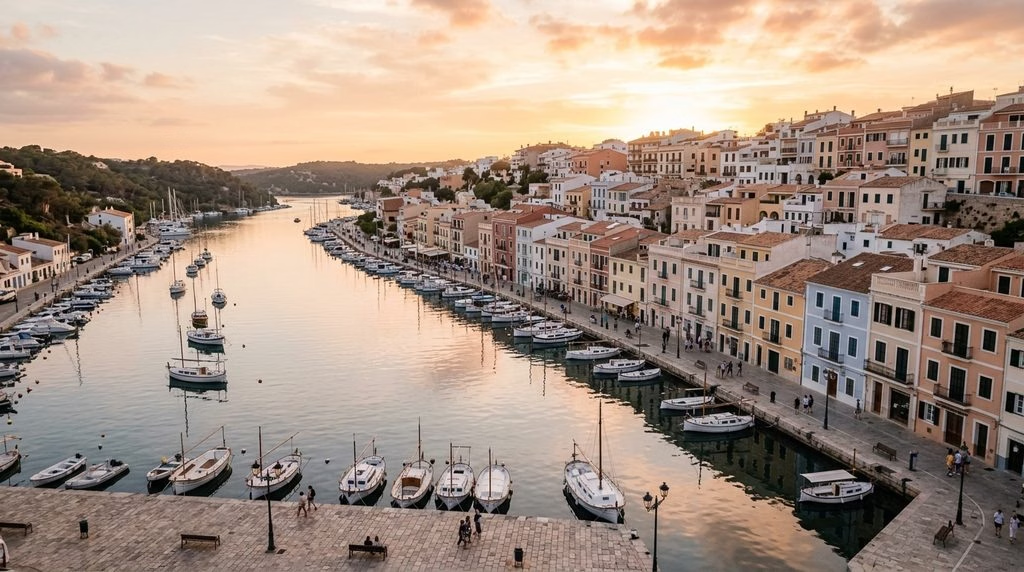
- Harbours: Maó has one of the Mediterranean’s great natural harbours, while Ciutadella’s narrow port feels older and more intimate.
The island’s appeal is not one giant landmark. It is the mix of clear-water coves, Bronze Age stone monuments, coastal walking, and two very different historic towns. Menorca suits you when you want beach time with room for a proper day out, rather than spending every evening in a resort zone.
Watch out for: “quiet island” does not mean empty island. The most famous southern coves can become crowded in summer, and some access roads use parking controls. Keep maps, trail notes, and parking details saved on your phone before setting off. A Spain eSIM keeps that practical information available, with data plans that work across 200+ countries.
Menorca also works well as part of a wider Spanish trip; this Spain travel guide can help you place the island within your route.
Takeaway: Choose Menorca for a smaller, greener Balearic island where wild coastline and historic character matter more than resort buzz.
What Are the Must-See Attractions on Menorca?
Start in Ciutadella, on the island’s west coast, where Menorca’s old capital still feels built for walking. Begin at Plaça des Born, the broad square above the harbour, then follow the pedestrian arcades of Ses Voltes toward the Gothic Cathedral of Menorca. The narrow lanes are easy to lose yourself in, which is part of the point.
Walk down to the old port before sunset. The harbour is lined with terraces and small boats, while the upper town gives you the best views across the water. Watch out: the stone streets become slick after rain, and the descent to the port is steeper than it looks in photos.
On the east coast, Maó (also written Mahón) offers a different kind of drama. Its natural harbour stretches far inland, with waterfront buildings climbing the slopes above it. Walk from Plaça d’Espanya through the old centre, then follow the viewpoints around the port rather than staying only at the marina level.
Maó is also a practical place to use your phone for maps, museum hours, and last-minute transport details. Set up your eSIM before heading out, since the old-town lanes and harbour steps make aimless wandering slower than expected.
Menorca’s most memorable landmarks may be older than either town. The island is scattered with Talayotic sites: huge prehistoric stone structures, burial monuments, and settlement remains. A talayot is a large, tower-like stone monument built by Menorca’s early communities.
- Naveta d’Es Tudons: Near Ciutadella, this boat-shaped burial monument is one of the island’s clearest prehistoric sights. View it from outside and give yourself time to read the interpretation panels.
- Torre d’en Galmés: Near Alaior, this is a large ancient settlement with talayots, circular houses, and wide views over the south of the island.
- Torralba d’en Salort: Visit for its enormous taula, a T-shaped stone monument that shows the scale of Menorca’s megalithic heritage.
Do not treat these sites as quick roadside photo stops. They are spread across rural roads, often with little shade, so carry water and download your route while your connection is strong. For context on the island’s protected archaeological landscape, use UNESCO’s Menorca Talayotic heritage page.
Takeaway: Pair Ciutadella’s old streets, Maó’s harbour views, and one Talayotic site for a first day that shows Menorca’s full character.
Which Beaches Should You Visit?
On Menorca, the beach you choose changes the whole day. South-coast coves bring calm turquoise water and pale limestone cliffs. North-coast beaches feel wilder, with red sand, wind, and fewer services.
- Cala Galdana: Choose this wide, sheltered bay when you want an easy beach day. You have soft sand, shallow water, toilets, cafés, sunbed rentals, and kayak or paddleboard hire nearby. It suits children and anyone who does not want a long walk carrying beach gear.
- Cala Macarella and Cala Macarelleta: Head here for Menorca’s classic clear-water cove. Cala Macarella is the larger beach, while tiny Macarelleta sits a short coastal walk away and is better for swimming and snorkelling. Watch out: summer vehicle access and parking controls can change, so do not assume you can drive straight to the sand.
- Cala Turqueta: Come for striking blue water framed by pine trees. You usually walk from a parking area through woodland, so wear proper sandals or trainers rather than flip-flops. Bring water, food, and shade, as this is a nature-first cove rather than a serviced resort beach.
- Cala Mitjana: Pick this cove for a quieter south-coast option with excellent swimming. The approach includes a woodland walk, and the surrounding rocks make good snorkelling territory when the sea is calm. Walk a little farther to Cala Mitjaneta if you want a smaller, more secluded patch of sand.
- Platja de Cavalleria: Visit the north coast for copper-red sand and open views instead of postcard-perfect calm water. The sea can be rougher here, especially in windy weather, but the dramatic setting and clay-rich cliffs make it memorable. Keep an eye on conditions before getting in.
- Cala Pregonda: Make the walk from Binimel·là for one of the island’s most distinctive beaches. Rocky islets protect parts of the bay, making it rewarding for snorkelling, while the ochre sand and low hills feel far removed from the busier south coast. Take more water than you think you need.
Save each beach pin in your map app before leaving your accommodation. That helps when you need to find the correct trailhead, see where the legal parking area is, or switch plans after a beach fills up early. A Telekonek Spain eSIM means those checks work from the car park rather than only from the hotel Wi-Fi.
For a simple split, use Cala Galdana for convenience, Cala Macarella for iconic colour, and Cavalleria or Pregonda for a rugged north-coast day.
Takeaway: Choose a south-coast cove for calm swimming, but pack water and sturdy footwear for Menorca’s most rewarding, less-serviced beaches.
What Cultural Experiences Await You in Menorca?
Menorca’s culture feels most alive in its town squares, workshops, and summer fiestas. You will notice that local life moves at a slower pace than on Mallorca or Ibiza, yet the island’s celebrations can be loud, crowded, and deeply traditional.
The best-known event is Ciutadella’s Festes de Sant Joan, held around the feast day of Saint John. Horses and riders in formal white clothing fill the old-town streets, while crowds gather for the jaleo, when horses rear to the sound of a fast local tune. Watch out: this is not a staged show. Streets become tightly packed, so keep well back from the horses, wear closed shoes, and do not bring a large beach bag.
Other towns hold their own patron-saint fiestas through the warmer months. You will often see horse parades, brass bands, local food stalls, and families dressed up for the evening. Festival timings and routes can change each year, so check municipal notices before travelling to a town specifically for a parade.
For a quieter cultural stop, visit the former hospital island in Maó harbour, known as Illa del Rei. You can combine its restored historic buildings with contemporary art at Hauser & Wirth Menorca when exhibitions are running. The boat crossing itself is part of the experience, giving you a different view of Maó’s long natural harbour than you get from the waterfront.
Bring home something made for daily use, not a generic souvenir. Menorcan avarques are flat leather sandals traditionally made for island farmers, and you will find better-fitting pairs in specialist shops around Ciutadella and Maó than in beach-front stalls. Look for sturdy leather soles and ask whether the pair is made on Menorca.
Food is another easy way into local identity. Order Mahón-Menorca cheese, especially a mature wedge with a firmer, saltier taste, and try a pomada: local gin mixed with cloudy lemonade. Pace yourself with the gin during fiestas, particularly in the afternoon heat.
- For atmosphere: catch a town fiesta, but arrive early and stay at the edge of the crowd.
- For art: pair Maó harbour with Illa del Rei rather than treating the gallery as a quick stop.
- For a useful souvenir: buy locally made avarques and sample cheese before choosing a wedge to take home.
Takeaway: Plan one fiesta evening, one Maó art-and-harbour outing, and one proper local-food stop to experience Menorca beyond its beaches.
How to Get Around Menorca: Travel Tips for Visitors
Menorca is easy to cross, but it is not easy to explore without a plan. The main road, Me-1, links Maó and Ciutadella through the island’s centre. You can drive the route in about an hour, yet the best coves, rural hotels, and trailheads sit well away from it.
A rental car gives you the most freedom, especially for beaches on the south coast and quieter northern areas. Expect roughly €25–€50 a day in spring or autumn, and often €45–€100 or more in summer 2026, before fuel, insurance, and extras. Choose a small car: lanes around Binibèquer, Fornells, and many beach approaches are narrow, while village parking spaces are tight.
Watch out for beach parking controls. Several popular coves restrict vehicle access or fill early in high season, so arriving at midday can mean turning back. Download offline maps before leaving your accommodation, and keep a working data connection for live directions, parking notices, and shuttle updates when plans change.
You can manage without a car if you stay in Maó, Ciutadella, or Cala Galdana and keep your plans focused. Intercity buses connect Maó and Ciutadella along the Me-1 corridor, while the airport route links Menorca Airport with Maó. Timetables expand in summer and become less frequent outside peak months, so check the official Menorca public transport timetable the night before rather than assuming a late return service exists.
- Car: best for remote beaches, Talayotic sites, and flexible sunset stops.
- Bus: cheapest for town-to-town travel, but less useful for isolated coves.
- Taxi: practical after dinner in Maó or Ciutadella, but expensive for long beach journeys.
- Bicycle: rewarding for short coastal rides and rural lanes, not ideal for crossing the whole island in summer heat.
For cycling, base yourself near Es Mercadal, Ferreries, Maó, or Ciutadella. The Camí de Cavalls, the historic coastal route, has beautiful sections but is not one smooth bike path. You will meet rocky ground, loose sand, gates, and steep rises. A mountain bike or e-bike works far better than a road bike, and you should carry water, a repair kit, and a charged phone.
Takeaway: Rent a compact car for beach-hopping freedom, but use buses for the Maó–Ciutadella corridor and never rely on a last-minute return from a remote cove.
Where to Stay: Best Accommodations in Menorca
Your base matters more here than on a compact city break. Staying in Ciutadella gives you atmospheric evenings and restaurant choice. Staying near Maó makes early flights, the harbour, and the eastern side easier. A rural hotel gives you silence, but it also makes a car far more useful.
For a polished stay in Ciutadella, Can Faustino Gran sits close to the old town and port. It suits you when you want stone courtyards, a spa-style feel, and the freedom to walk home after dinner. Expect luxury-hotel pricing to rise sharply in summer; for 2026, rooms across Menorca’s top properties can reasonably run from about €250 to €600-plus a night, depending on dates and room type.
Torralbenc, near Cala en Porter, is a stronger choice for a quiet, design-led escape. You stay among vineyards and restored farm buildings rather than in a resort centre. The trade-off is simple: you gain calm, a pool, and excellent sunset-country scenery, but you will want a car for meals outside the property and wider island exploring.
For a special rural stay, look at Vestige Son Vell outside Ciutadella. This is the kind of restored estate that works well for a slow two- or three-night stop, especially when you want gardens, spacious grounds, and a break from beach parking. Watch out: rural luxury hotels can look close to town on a map, but narrow roads and dark routes make late-night drives less relaxing than expected.
- Cala Galdana: Choose a hotel such as ARTIEM Audax when you want a resort base with pools, wellness facilities, and food nearby. It is practical for a no-fuss beach holiday, though it feels busier and less local in peak summer.
- Maó: Small hotels such as Hotel Hevresac place you near the port and town life. This works well for short stays, ferry schedules, and evenings when you would rather walk than drive.
- Budget stays: Guesthouses, simple apartments, and hostel-style rooms are usually your best value in Maó or Ciutadella. Expect roughly €35–€80 for a dorm bed or basic room in quieter periods, and often €90–€160 or more for private rooms in summer 2026.
Apartment stays are particularly useful when you have a kitchen and beach gear to manage. Binibèquer and Son Bou offer plenty of holiday rentals, but check the exact pin before booking. A listing described as “Binibèquer” may still be a long, hot walk from the sea.
Before arrival, download your booking confirmation, parking instructions, and host contact details to your phone. Data on arrival helps when a rural property sends a last-minute gate code or directions that do not match the map pin.
Takeaway: Pick Ciutadella for walkable evenings, Maó for convenience, Cala Galdana for easy resort comfort, or a countryside finca for a quiet car-based escape.
What Should You Know About Dining and Local Cuisine?
Food on Menorca is shaped by fishing ports, cattle farms, and slow island cooking. You will find the best meals in family-run dining rooms and market counters, not only on beach-front terraces. Keep data active for opening hours and a quick map check, because many kitchens follow island hours and stop taking lunch orders well before the evening rush.
Start with caldereta de llagosta, a rich lobster stew traditionally linked to Fornells. It is a special-occasion dish rather than a cheap casual lunch, so share a pot if you want the experience without a very large bill. In Fornells, Es Cranc is a well-known place to order it; reserve ahead in the busy season and confirm lobster availability when you book.
- Oliaigua: a humble tomato, pepper, onion, and olive-oil soup. It is often served with figs in season and makes a good lighter lunch after several seafood meals.
- Mahón-Menorca cheese: look for the local cow’s-milk cheese in different ages, from soft and buttery to firm and sharp. Buy a small wedge with bread, olives, and local wine for a picnic.
- Sobrasada: soft, paprika-seasoned cured sausage. Try it spread on toast, sometimes with honey for a sweet-salty snack.
- Formatjades: savoury pastry parcels, usually filled with meat. They travel well for a beach lunch when you do not want another sit-down meal.
- Pomada: Menorcan gin mixed with cloudy lemonade. It is refreshing, but stronger than it tastes, especially in summer heat.
In Ciutadella, book Smoix when you want a more creative dinner built around Menorcan ingredients. For a classic harbour setting and seafood-focused meal, try Café Balear in the old port. Watch out: a port table can be lovely, but not every waterfront menu is equally local; ask what was landed locally that day and choose the catch rather than defaulting to generic paella.
For an informal food stop, head to Mercat des Peix in Maó. You can browse fish, cheese, charcuterie, and small prepared-food counters in one central stop. Ciutadella’s market area around Plaça de la Llibertat is also useful for picnic supplies before heading to a cove.
Meal times run later than you may expect. Lunch is often strongest from about 1:30pm, while dinner before 8pm can mean a limited atmosphere or a closed kitchen. Save restaurant pins and booking details on your phone before leaving your accommodation. If Menorca is one stop on a longer trip, this Spain travel guide covers regions, trains, and timing, and our Barcelona guide is a useful pairing if you fly via the mainland.
Takeaway: Order lobster stew in Fornells, buy Mahón-Menorca cheese at a market, and reserve your key dinner before the island’s late evening service begins.
When Is the Best Time to Visit Menorca?
For the best balance of warm weather, lighter crowds, and easier reservations, aim for late May, June, September, or early October. You can usually swim by late spring, while September keeps the sea warm after summer. These months also make it easier to find a table in Ciutadella and park near popular coves without building your day around a very early start.
July and August suit you when beach time is the priority and you enjoy a lively atmosphere. Days are reliably hot and dry, but this is Menorca’s busiest and most expensive period. Car hire, rural hotels, and waterfront rooms can rise sharply, while beach car parks may fill early in the morning.
- April to May: Best for walking, cycling, wildflowers, and sightseeing in Maó or Ciutadella. Bring layers, as wind and cooler evenings can make a sunny day feel less warm than expected.
- June: A strong choice for swimming before the full summer rush. You get long daylight hours and more restaurant availability than in peak summer.
- July to August: Best for dependable beach weather, boat trips, and late dinners. Expect the busiest roads, fuller beaches, and higher accommodation costs.
- September: Often the sweet spot for couples and relaxed beach trips. The summer heat eases, but the water remains inviting and the island feels less frantic.
- October: Choose this month for coastal walks and quieter towns rather than guaranteed beach weather. Some seasonal beach businesses reduce hours or close as autumn progresses.
- November to March: Best for solitude, birdwatching, and a slower local rhythm. Many tourist-focused hotels, restaurants, and excursion operators may not be open.
Watch out for the wind, especially on the north coast. A bright forecast does not always mean calm water, and a strong breeze can change your beach plan fast. Check live forecasts, road conditions, and opening hours before driving across the island for a single cove.
For a first trip, September is hard to beat: you get warm water, fewer peak-season pressures, and better odds of finding the island’s quieter side.
Takeaway: Visit in June or September for the best mix of swim-friendly weather, manageable crowds, and lower pressure on bookings.
What Outdoor Activities Can You Enjoy on Menorca?
Menorca rewards you most when you leave the main road behind. Its coast, pine woods, limestone ravines, and clear coves make outdoor days feel varied without needing extreme fitness or specialist gear. Check wind, trail conditions, and meeting points before setting out.
Hiking: The Camí de Cavalls is the island’s signature long-distance path. This historic coastal route circles Menorca in stages, so you can choose a short walk rather than commit to a multi-day trek. The Es Grau to Favàritx stretch gives you wetlands, low scrub, and the striking lighthouse landscape on the northeast coast. For a more rugged outing, walk around Cap de Cavalleria, where cliffs drop sharply into the sea.
- Choose south-coast paths for shade from pine trees and access to sheltered coves.
- Choose north-coast paths for open views, darker rock, and a wilder feel.
- Carry more water than you expect. Many trail sections have no café, fountain, or shop once you leave the road.
Sailing and kayaking: Fornells Bay is a strong base for wind sports because its broad, protected water is easier to manage than the exposed north coast. You can join a guided kayak trip through quiet inlets or take a sailing lesson when the breeze is manageable. From Maó or Ciutadella, a boat outing suits you when you want to reach coves that are awkward on foot and see the island’s cliffs from the water.
Watch out for changing wind. A calm-looking beach can become choppy later in the day, especially on the north coast. Do not assume a return paddle will feel as easy as the outward journey. Ask your operator about the day’s wind direction, return time, and what happens if conditions change.
Snorkeling: Bring a mask to quieter rocky edges near Cala Morell, Es Grau, or the coves around Binibèquer. Clear water often reveals small fish, seagrass beds, and rock shelves close to shore. Enter slowly in water shoes, since sharp limestone and sea urchins are common around the rocks.
Do not rely on a beach bar’s Wi-Fi before a boat trip or remote hike. Download offline maps, but keep a live connection for a weather check, a taxi call, or a changed meeting location.
Takeaway: Hike one Camí de Cavalls stage, choose Fornells for water sports, and snorkel only from calm, rocky shore entries.
How to Stay Connected: Mobile Data and Accessibility
Mobile data makes Menorca much easier to manage, especially when your day involves a remote cove, a trailhead, or a rural hotel outside town. You will usually have solid signal in Maó, Ciutadella, Cala Galdana, Fornells, and the main resort areas. Coverage can weaken on the Camí de Cavalls, in steep coastal ravines, and on quieter northern roads.
In Spain, Telekonek runs on Orange and Movistar, so you are on two of the country’s main networks rather than a single fallback. Set up your Spain eSIM before departure, while you still have dependable home Wi-Fi and time to receive any activation messages. Plans reach 200+ countries, so if Menorca is one stop on a longer route, a Europe eSIM keeps the same setup working across the rest of the continent.
Your phone must be carrier-unlocked and eSIM-compatible. Before flying, install the eSIM, label it “Telekonek,” and set it as the line for mobile data after landing. Keep your regular SIM active only if you need calls or text-message codes from home; otherwise, turn off data roaming on that line to avoid an unexpected bill.
- For maps: Download offline Google Maps areas for Menorca before landing. Save your accommodation, car park, beach access point, and return route.
- For transport: Screenshot bus times, booking references, and rental-car pickup details. A signal drop should not leave you guessing at a roadside stop.
- For restaurants: Use live data for opening hours and reservations. Small kitchens may close between lunch and dinner, even during busy months.
- For emergencies: Call 112 anywhere in Spain for police, fire, or medical help. You do not need data to place the call.
Do not rely on hotel or café Wi-Fi as your only connection. It can be slow at peak breakfast and evening hours, while some beach bars offer Wi-Fi only to paying guests. A data connection of your own lets you check weather and route changes without hunting for a password.
Watch out: Do not assume a full signal icon means fast data at isolated beaches. Send meeting points, taxi numbers, and parking pins before you leave town. Put your phone in low-power mode on long walks, because constant searching for a weak network drains the battery quickly.
Takeaway: Install your eSIM before you fly, download Menorca offline, and treat remote-coast signal as useful but never guaranteed.
Frequently Asked Questions About Visiting Menorca
Is Menorca worth visiting? Yes, especially when you want clear-water coves, small historic towns, and outdoor time without the pace of a large resort island. Menorca works best when you slow down: combine a beach morning, a long lunch, and a walk around Ciutadella or Maó rather than trying to cover the whole island in a day.
You will get more from Menorca with four to seven nights. A short stay can cover one town and a few nearby beaches, but a week gives you room for both the sheltered south coast and windier northern landscapes. Watch out: a two-night visit can feel rushed if your flight times take up most of arrival and departure day.
Will you manage in English? Yes, in hotels, car-rental desks, beach resorts, and many restaurants in Maó and Ciutadella. Spanish and Catalan are the official languages, and Menorcan Catalan is part of daily island life. You will find English less reliable in village cafés, rural stays, and smaller shops, so save your accommodation address and key food terms on your phone.
Which is nicer: Mallorca or Menorca? The better choice depends on the trip you want. Choose Menorca for quieter coves, hiking, low-rise towns, and a more relaxed rhythm. Choose Mallorca when you want a larger choice of cities, mountain drives, nightlife, and big resort facilities.
- Menorca: better for couples, families, walkers, beach-hoppers, and slower itineraries.
- Mallorca: better when you want more transport links, larger hotels, and lots of evening options.
Do you need a car in Menorca? You can stay car-free in Maó, Ciutadella, or Cala Galdana, but a car makes remote coves and Camí de Cavalls trailheads far easier. The trade-off is summer parking pressure near famous beaches. Use the bus or arrive early rather than assuming you can park at midday.
Is Menorca expensive? Menorca can be good value outside the July and August peak, but beach-front rooms, rental cars, and lobster dishes raise daily costs quickly in summer. A self-catering base and market lunches help stretch your budget without missing the island’s best parts. For entry planning, use this Spain visa and entry rules guide before travel.
What is the simplest way to stay connected? Download offline maps before heading to quieter coves, since signal can fade on rural roads and coastal paths. Grab a Telekonek Spain eSIM before you fly and you have data for directions, bus times, restaurant hours, and last-minute beach access updates without hunting for a SIM-card shop on arrival.