
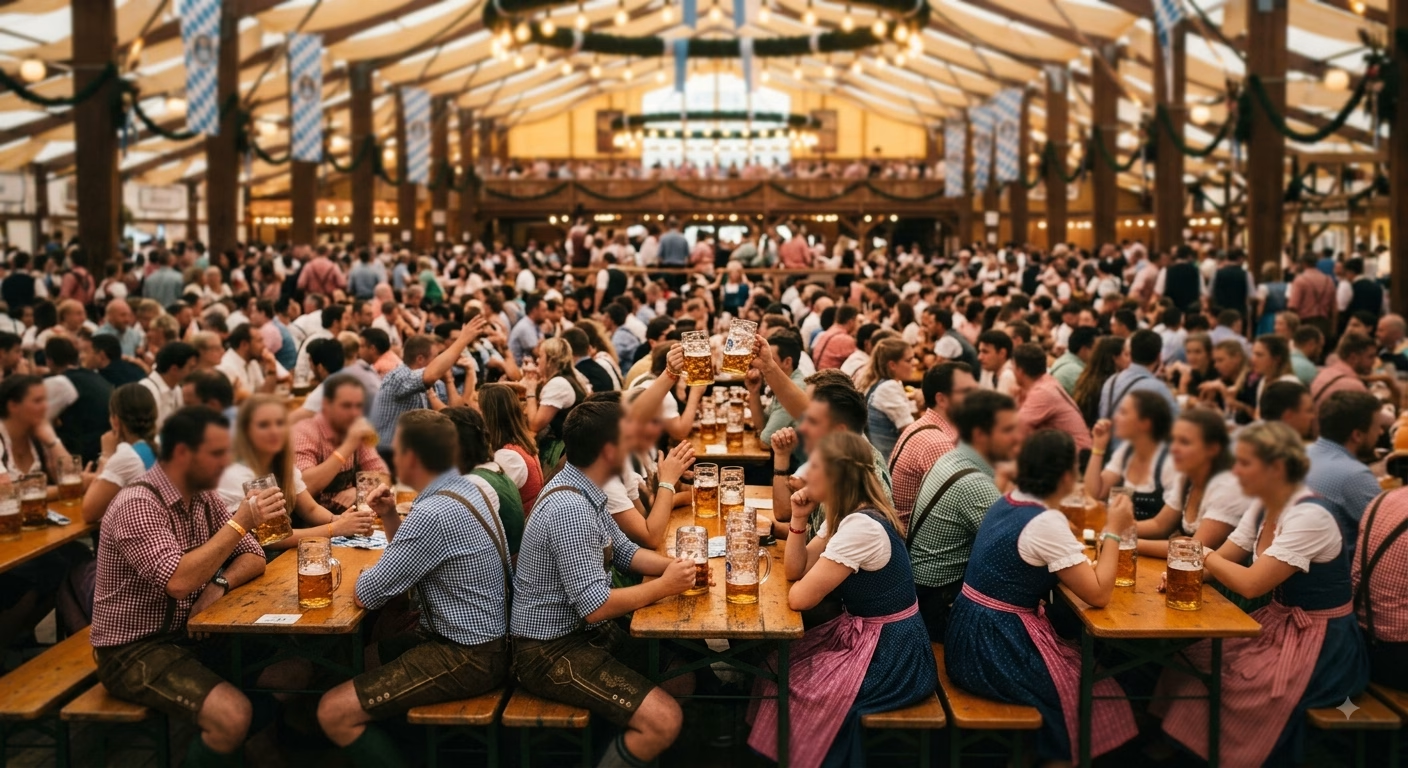
Oktoberfest 2026 runs from Saturday, 19 September to Sunday, 4 October on Munich’s Theresienwiese, and knowing what to wear to Oktoberfest matters more than most first-timers expect. You do not need traditional dress to enter a tent. You do need clothes you can sit, stand, walk, and dance in for eight hours on a crowded wooden bench.
This guide covers traditional Bavarian Tracht, modern alternatives, weather layers, accessories, shoes, and how to adapt your outfit for Oktoberfest events outside Germany. Set up your Germany eSIM before you fly so maps, meeting points, and tent directions work from the moment you land.
Key takeaways
- Tracht is welcome but never required — a neat smart-casual outfit fits in fine.
- Fit and fabric beat trend. Choose matte cotton, linen blends, and real leather over shiny costume sets.
- Layer for a warm afternoon and a cold walk home; Munich evenings drop fast in late September.
- Broken-in closed shoes with grip are the single highest-impact choice you will make.
- Carry a small zipped crossbody bag, not a tote — crowded tents punish loose, bulky luggage.
What to Wear to Oktoberfest: Traditional Tracht Explained
Traditional Oktoberfest dress is called Tracht, meaning regional folk clothing. It is not a required uniform, but wearing it shows respect for Bavarian culture and helps you feel part of the festival rather than dressed for a theme party.
For men, the classic choice is lederhosen: knee-length or shorter leather breeches, usually in brown, black, or dark green. Real lederhosen are sturdy leather garments, often with embroidered panels, a front flap, and braces. Pair them with a checked or plain cotton shirt, thick wool socks, and low leather shoes known as Haferlschuhe.
- Short lederhosen feel more casual and are common in busy beer tents.
- Knee-length lederhosen give you a more traditional Bavarian look.
- Bundhosen, which reach below the knee, are a smarter and less common option.
Avoid plastic-looking “costume” lederhosen with thin synthetic fabric. They tend to look out of place, get uncomfortable on long benches, and do not hold up well in a crowded tent.
For women, the traditional outfit is a dirndl. It has four parts: a fitted bodice, blouse, full skirt, and apron. The bodice should sit snugly, while the blouse is usually white and cut to sit beneath it. A proper dirndl is a dress, not a skirt with a random corset-style top.
Dirndl lengths matter. A skirt ending around the knee is practical and widely worn, while a midi length below the knee looks more traditional. Very short “party dirndls” can read more like a costume than Bavarian dress, especially at Munich’s larger tents.
Your apron bow has a well-known social meaning: tied on the left traditionally suggests you are single, while a bow on the right suggests you are in a relationship. A bow at the back can have other meanings depending on context. Treat this as a playful local custom, not a rule to rely on when meeting people.
Traditional clothing also solves a practical problem: you will spot your group more easily in packed grounds and tents. Save a photo of your outfit and meeting point before arrival. For the wider festival picture — tent reservations, opening-day timings, and what the Wiesn actually costs — read the Oktoberfest 2026 in Munich planning guide.
Takeaway: Choose genuine-looking Tracht—a well-fitted dirndl or leather lederhosen—rather than a flimsy costume, and you will look right at home at Oktoberfest.
What Are Modern Alternatives for Oktoberfest Attire?
You do not need folk clothing to fit in at Oktoberfest. A clean, practical outfit works well in the beer tents and on the fairground, especially when it looks intentional rather than like everyday gym wear. Think smart casual with a little color, texture, or vintage detail.
For a polished modern look, build around one sturdy base layer. Dark denim, tailored trousers, a midi skirt, or a simple jumpsuit all work better than anything tight or delicate. You will spend long periods sitting on wooden benches, moving through crowds, and carrying a bag close to you.
- Easy outfit for women: straight-leg jeans, a white or cream blouse, a cropped cardigan, and ankle boots. Add a burgundy, forest-green, or navy layer for a subtle Bavarian color nod.
- Easy outfit for men: dark jeans or chinos, a checked overshirt or Oxford shirt, and a knit sweater you can tie around your shoulders.
- Dressier option: a long-sleeve midi dress with opaque tights and a structured jacket. Choose a shape that lets you sit comfortably at a shared table.
- Warm-day option: a linen-blend shirt with tailored shorts or a knee-length skirt. Bring an extra layer rather than relying on a thin party outfit after dark.
Colors make the outfit feel festive without turning it into a costume. Deep red, rust, cream, green, mustard, and navy photograph well against the tents’ wood interiors. Small checks, gingham, floral prints, and cable-knit textures also suit the setting. Avoid wearing head-to-toe blue-and-white diamond print, novelty beer slogans, or fake costume accessories; these can read more like a stag-party outfit than respectful festival dress.
Choose fabrics that recover after a crowded day. Cotton, denim, twill, merino wool, and wrinkle-resistant blends are more useful than silk, satin, or pale linen that marks easily. A crossbody bag with a zip is practical, but keep it compact so it does not hit people in a packed aisle.
Watch out for: many visitors treat Oktoberfest as a long outdoor-to-indoor day, then regret wearing a blazer, dress, or trousers that only work while standing. Before leaving your accommodation, sit down, raise your arms, and walk several blocks in the full outfit. If it pinches or rides up, change it.
Takeaway: Wear smart casual clothes in rich autumn colors, prioritize fabrics you can sit and walk in, and skip novelty costume pieces.
How Can You Dress Comfortably for Oktoberfest Weather?
Munich festival weather can change quickly between late morning and evening. Late September and early October bring mild afternoons, cool nights, and a real chance of rain. Build an outfit you can adjust without losing the polished look you planned.
Start with a breathable base layer. Cotton, linen blends, light wool, and soft denim work better than polyester-heavy fabrics, which can feel sticky in a packed tent. A cotton blouse under a dirndl or a breathable checked shirt under lederhosen keeps you comfortable when benches are crowded and the music is loud.
- Warm, dry afternoon: Wear your main outfit with no extra bulk. Bring one light layer rather than a heavy coat.
- Cool evening: Add a cardigan, cropped knit, overshirt, or neat lightweight jacket. A traditional-style wool cardigan works particularly well over a dirndl.
- Rainy forecast: Choose a short water-resistant jacket or compact rain shell for the walk there. Take it off before settling inside so you do not overheat.
- Chilly morning arrival: Wear layers you can tie around your waist or pack away. Thick, fixed layers become a nuisance once the tent fills up.
Avoid long, loose sleeves that can trail across wet tables or food. Also skip delicate silk, suede, and pale fabrics if rain is forecast. Festival grounds can be muddy near paths and crowded entrances, while spilled beer is part of the setting inside.
Your outer layer should be simple enough to wear over folk dress without hiding it completely. For a dirndl, a fitted cardigan or shawl keeps the waist and skirt shape visible. For trousers or lederhosen, a dark overshirt, field jacket, or plain knit looks natural and handles a sudden drop in temperature better than a costume-like cape.
Watch out for the common mistake of dressing only for the daytime forecast. Munich can feel much colder when you leave a warm tent after dark, especially if rain has started. Save the weather page on your phone before heading out, and keep your Telekonek eSIM active so you can check radar updates, find your group, or reroute to transit without hunting for public Wi-Fi.
Takeaway: Wear breathable clothes, carry one rain-ready layer, and plan for a noticeably cooler walk home after dark.
What Should You Avoid Wearing at Oktoberfest?
Oktoberfest has no costume police, and you do not need to wear Tracht. Still, a few choices can make you feel out of place, uncomfortable, or disrespectful in a tent where many guests wear traditional clothing with real care.
Skip novelty “beer maid” costumes and joke outfits. Plastic corsets, ultra-short apron dresses, fake moustaches, Alpine hats with rude slogans, and Halloween-style lederhosen turn regional clothing into a gag. A dirndl can be fun and festive, but it should look like clothing rather than a themed party costume.
Avoid outfits that are too revealing for the setting. Beer tents are crowded, with long shared benches and constant movement between tables. Very short skirts, sheer tops, loose strapless garments, and clothing that needs frequent adjusting can become stressful fast. Choose pieces you can sit, stand, and raise a stein in without checking your outfit every five minutes.
- Do not wear clothes you cannot spill on. Cream silk, pale suede, dry-clean-only blazers, and delicate vintage pieces are risky around full beer steins and busy servers.
- Leave political, offensive, or sexual slogan shirts at home. A tent is a social space, not a place to provoke strangers at a shared table.
- Avoid full sports kits and gym wear. Football shirts, cycling shorts, sweatpants, and large branded tracksuits read more like a casual match day than a festival visit.
- Do not rely on flimsy fast-fashion costume pieces. Broken zips, thin straps, and plastic buckles rarely survive a full afternoon of sitting, walking, and dancing.
Watch out for oversized bags and loose layers that catch on benches or get left behind during a crowded exit. Keep your essentials close and simple. Your Telekonek eSIM helps here: save your meeting point, tent details, and route home on your phone before the signal and noise inside make coordination harder.
Takeaway: Wear something secure, washable, and respectful—not a joke costume, a fragile club outfit, or clothes you would panic about spilling beer on.
What Accessories Complete Your Oktoberfest Look?
Accessories should make your outfit easier to wear for a long day, not turn it into a costume. Choose one or two traditional touches, then keep the rest useful for crowded tents, rides, and cool evenings.
With a dirndl, start with the apron bow. Tie it neatly at the front and make sure it sits at your natural waist, not low on your hips. You may hear that the bow’s side signals relationship status, but treat that as a light tradition rather than a message you must send. The fit and a tidy knot matter far more.
- Jewelry: Small silver earrings, a simple pendant, or a modest charm bracelet add detail without snagging on sleeves or benches. Heart-shaped necklaces and edelweiss motifs fit well, but skip oversized plastic beer-themed pieces.
- Hair accessories: A ribbon woven into braids, a velvet headband, or a small floral clip works with a dirndl. Choose secure clips; loose flower crowns get crushed quickly in busy tents.
- Outer layer: A fitted cardigan, wool shawl, or short jacket keeps the neckline visible while adding warmth. Avoid a long coat that drags under benches or becomes awkward to carry.
With lederhosen, a leather belt with a plain buckle is more useful than a large novelty buckle. A simple felt Alpine-style hat can work, especially outdoors, but take it off inside if it blocks someone’s view. Avoid pinning random badges, feathers, or fake flowers onto it; these details can look more like a costume than Tracht.
Your bag deserves as much thought as your jewelry. Bring a small crossbody bag or compact belt bag that closes with a zip. Keep it in front of you when moving through dense tent entrances or fairground queues. A bulky tote slips off benches, gets wet in rain, and is easy to leave behind.
Put a portable battery, tissues, lip balm, and a small rain cover in that bag. Keep your phone charged for meeting points, transit changes, and tent directions. Telekonek eSIM data plans work in 200+ countries, so maps and messages keep running without hunting for public Wi-Fi.
Watch out for: do not wear valuable heirloom jewelry or carry a large loose scarf into a packed tent. Both can be lost, caught, or soaked far faster than expected.
Takeaway: Choose a secure small bag, one traditional accent, and warm layers you can remove easily.
What to Wear to Oktoberfest 2026: Colors, Fabrics, and Fit
For 2026, do not chase a single “must-have” Oktoberfest look. The smartest approach is to choose a well-made outfit in a color and pattern you will enjoy wearing again.
For a dirndl, soft natural shades look polished without feeling like a costume. Think sage green, deep blue, berry red, plum, chocolate brown, and muted rose. Small floral prints, fine gingham checks, and subtle jacquard fabric add interest while still looking traditional.
- Classic but current: a navy or forest-green dirndl with a cream blouse and a matte apron.
- More romantic: a dusty-rose or berry dirndl with tiny flowers, kept simple with minimal jewelry.
- Modern and understated: a dark brown, charcoal, or black dirndl in plain fabric, with texture doing the work instead of a loud print.
For lederhosen, darker brown leather remains the easiest base. Style it with a white shirt for a clean traditional look, or choose a fine blue, green, or burgundy check for more color. Small-scale checks look sharper in photos than oversized plaid, which can read more like a pub costume.
Fit matters more than following a trend. A dirndl bodice should sit close to your body without pinching when you sit down. The skirt should fall around the knee or below it. Lederhosen should feel firm at first, but not restrict your stride; leather loosens slightly with wear.
In Munich, try pieces on in person at established Trachten sellers such as Loden-Frey on Maffeistraße or Trachten Angermaier. You can judge the blouse shape, apron length, and color in daylight instead of relying on heavily edited product photos. For a lower-commitment outfit, look for a simple cotton dirndl or checked shirt in department stores, then focus on getting the fit right.
Watch out for: cheap sets often pair a shiny satin apron with thin polyester fabric. Under tent lights, the contrast can look harsher than it did online. Choose matte cotton, linen blends, or heavier woven fabric where possible, and avoid printed “costume” labels.
Save store locations, fitting appointments, and outfit photos on your phone before you arrive. Getting between shops, your hotel, and the Theresienwiese is easier with the right apps loaded — this guide to the best apps for public transport in Europe covers what to install before you land.
Takeaway: Build your 2026 look around a properly fitted dirndl or dark lederhosen, then use muted color, fine checks, or small florals for a current finish.
What Should You Consider for Oktoberfest Celebrations Outside Germany?
Outside Germany, Oktoberfest can mean anything from a German heritage festival to a brewery party with pretzels and a brass band. Your outfit should match the event’s scale, local culture, and setting. A full dirndl or lederhosen may feel right at a large heritage celebration, but it can look overly costume-like at a small bar event.
Use the organizer’s photos from the previous year as your best guide. Look closely at what guests actually wore, not just the performers: jeans and checked shirts, smart casual dresses, full Tracht, or ordinary autumn clothes. This tells you more than a poster with stock images ever will.
- North America: Large German-American and German-Canadian festivals often welcome dirndls and lederhosen, but a checked shirt, dark jeans, and a cardigan are equally acceptable. Keep the look neat rather than theatrical.
- Brazil: Southern Brazilian celebrations can have a strong German-Brazilian identity, with parades, dancing, and local food alongside Bavarian references. A dirndl-inspired dress or shirt-and-trousers outfit works better than treating the event as a Munich copy.
- UK, Australia, and similar city events: Many celebrations take place in breweries, parks, or hired halls. Smart casual clothes with one festive detail, such as a gingham shirt or green cardigan, usually fit best.
- Asian city beer events: Humidity, heat, and formal social norms may matter more than folk styling. Choose breathable trousers, a modest dress, or a short-sleeve shirt, then add a light layer for air-conditioned indoor spaces.
Watch out for borrowed symbols. A feathered Alpine hat, heavy braces, or a novelty “beer maid” outfit can look harmless in a party shop, yet may read as a caricature at a community-led event. If you wear Tracht, choose simple pieces with a proper fit. If you do not, wear normal clothes in autumn colors and let the event atmosphere do the work.
Local rules can change the practical side of what to wear to Oktoberfest. Outdoor events may have bag limits, while sports stadiums and city parks may ban glass bottles, large umbrellas, or certain bags. A small crossbody bag is usually easier than carrying a large tote through a crowd. Keep a light rain layer nearby if the celebration is outdoors.
If you are flying into Europe for the Munich Wiesn, check the current entry process before you pack — the new biometric border system changed what happens at the passport desk.
Takeaway: Match the local crowd, wear one respectful festive touch, and choose comfort over a costume that does not suit the event.
What Shoes Should You Wear to Oktoberfest?
Your shoes will matter more than almost any other part of what to wear to Oktoberfest. You will stand in queues, squeeze past benches, walk between tents, and cross busy fairground paths. Pick a pair that looks deliberate but has already survived a full day of walking.
For a traditional outfit, wear broken-in Haferlschuhe or another low leather lace-up shoe. These rounded Bavarian-style shoes sit well with lederhosen, knee socks, and a checked shirt. Choose a rubber sole rather than smooth leather, since wet patches and spilled beer can make tent floors slippery.
- With lederhosen: brown or dark leather Haferlschuhe, sturdy derby shoes, or clean leather ankle boots with a low heel.
- With a dirndl: block-heel ankle boots, leather Mary Janes, loafers, or neat flats with a secure strap.
- With a modern outfit: clean white or neutral sneakers, Chelsea boots, and cushioned loafers keep the look smart without hurting your feet.
A heel does not need to be completely flat, but keep it low and wide. A block heel around 2–4 cm gives your outfit shape while keeping you steady on uneven ground and packed benches. Thin heels sink into soft surfaces, catch between boards, and make every walk back to your meeting point harder.
Watch out for brand-new leather shoes. Even expensive shoes can rub your heel after several hours. Wear your pair at home first, add blister plasters before you leave, and bring one or two spare plasters in your small bag. A thin cushioned insole can also make a stiff traditional shoe far more comfortable.
Avoid open-toe sandals, flip-flops, delicate suede, and shoes you would not want splashed. Closed shoes protect your feet in dense crowds and are easier to clean after a long tent session. If rain is possible, leather or water-resistant synthetic boots are more practical than canvas sneakers.
Your Telekonek eSIM is useful here too: save your accommodation address and your agreed meeting spot in your maps app before your battery gets low. When your feet need a break, you will not want to wander through Munich looking for the right route.
Takeaway: Wear broken-in, closed shoes with grip—traditional leather lace-ups, low boots, loafers, or clean sneakers all beat high heels and sandals.
Frequently Asked Questions About Oktoberfest Attire
When is Oktoberfest 2026? The 2026 festival runs from Saturday, 19 September to Sunday, 4 October on the Theresienwiese in Munich. The Lord Mayor taps the first keg at noon on opening Saturday, so that day draws the biggest early crowds and the most Tracht.
Can you wear casual clothes to Oktoberfest? Yes. You do not need a dirndl or lederhosen to enter, sit in a tent, or enjoy the fairground. Clean jeans, chinos, a button-down shirt, a knit top, a midi dress, or a simple skirt with a warm layer all look right.
Keep casual clothes neat and sturdy. Dark denim and a checked shirt feel more at home than sportswear, beach clothes, or a slogan T-shirt.
What should you wear if you do not want Tracht? Build one outfit around comfortable pieces you already trust. A navy knit, straight-leg jeans, and leather ankle boots work well. So does a dark green midi dress with tights, a cardigan, and low boots.
- For a daytime visit: Wear breathable layers and a crossbody bag that closes securely.
- For an evening tent booking: Choose smart casual clothes and bring a compact jacket for the trip back.
- For a work group: Pick a modest dirndl, or tailored trousers with a blouse or collared shirt. Skip joke costumes.
- For rain: Use a short waterproof coat and shoes with grip. Avoid long hems that drag through wet paths.
Is it disrespectful to wear a dirndl or lederhosen if you are not Bavarian? No. Wear traditional clothing with care, not as a fancy-dress joke. Choose a proper-length dirndl with a blouse, or simple leather breeches with a shirt and socks. Avoid plastic outfits, exposed costume corsets, and exaggerated Alpine props.
Do you need to match your group? No, although one shared color can make photos look coordinated without forcing everyone into the same costume. For example, your group could use forest green, navy, cream, or burgundy across mixed outfits. Let each person choose a style that fits comfortably.
What usually goes wrong? New shoes, oversized bags, and outfits that only work in warm weather cause the most trouble. Test your full outfit at home for several hours. Sit down, walk stairs, and check that your jacket still fits over your sleeves or dirndl bodice.
Once your outfit is sorted, the rest of the planning sits in the Oktoberfest 2026 Munich guide. Download maps and booking details before you leave, and set up a Telekonek eSIM for Germany so you can message your group and find your way back to the U-Bahn without searching for Wi-Fi.
Takeaway: Neat smart casual is fully acceptable, but comfort, weather layers, and respectful styling matter most.