
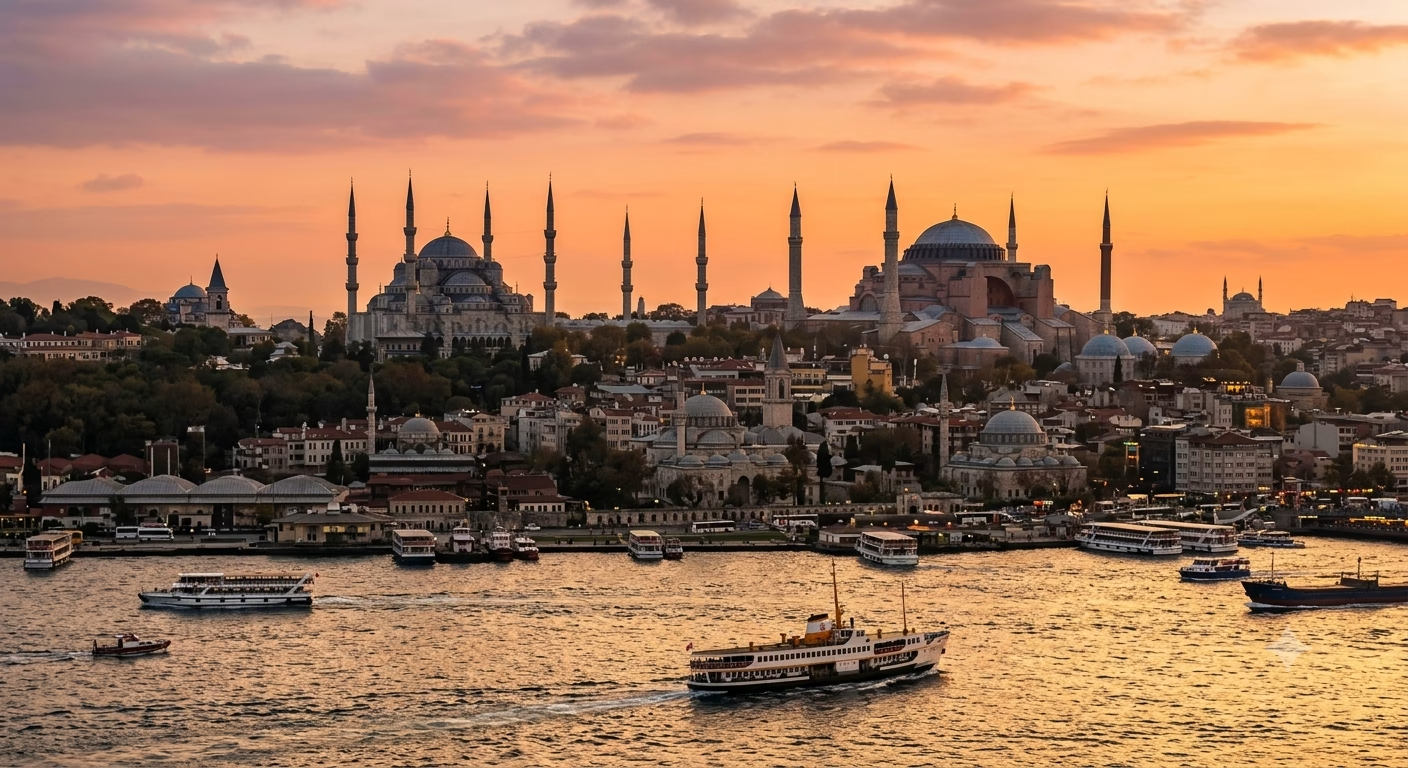
The best time to visit Turkey depends less on the calendar and more on where you’ll spend your days. In one week you can go from misty Black Sea hills to dry Cappadocia valleys to a hot Mediterranean beach. Pick your region first, match it to a season, and you’ll pack better, sleep better, and waste fewer “bad weather” days. This season-by-season guide breaks down what to expect and when to go.
Key takeaways
- The best time to visit Turkey is set by region as much as month — choose where you’re going first, then the season.
- Spring (April–May) and autumn (September–October) are the all-round sweet spots: warm days, fewer crowds, better value.
- Summer is for the Aegean and Mediterranean coast; winter is for skiing, hammams, and crowd-free museums.
- Time your trip around anchor events — the Tulip Festival, Kırkpınar, Istanbul Jazz, the Mevlana ceremonies — then plan around holiday closures.
- Set up a Telekonek Turkey eSIM before you fly, so maps, rebookings, and weather alerts work the moment you land.
Understanding Turkey’s diverse climate: a year-round overview
Turkey is huge, and the weather shifts fast when you change regions. That’s why your route matters more than the month. Here’s how the main regions behave across the year.
Istanbul and the Marmara region feel like a true four-season city. Winters (Dec–Feb) are cold, windy, and often wet, with occasional snow that can snarl traffic and slow ferries. Expect daytime highs around 5–10°C and lots of gray skies. Summers (Jun–Aug) get sticky rather than desert-hot, often 25–30°C, with humidity that makes museum-hopping and hill climbs feel harder.
The Aegean and Mediterranean coasts (İzmir, Bodrum, Antalya) are built around long, dry summers. July and August are reliably hot — often 30–38°C — and shade becomes your best friend. Winters are mild and greener, usually 10–18°C, but rain can come in bursts that cancel boat trips and make beach towns feel sleepy. Shoulder months (late Apr–Jun, Sep–Oct) are the sweet spot if you want warm water without peak heat.
Cappadocia and Central Anatolia (Göreme, Ürgüp, Konya) are high and dry, with big temperature swings. Summer days can be hot, but nights cool off. Winter brings real cold — often below freezing — and snow that looks stunning on the fairy chimneys. The watch-out here: hot air balloons can be grounded for wind, not just rain. Build in an extra morning or two if a balloon ride is a must.
The Black Sea coast (Trabzon, Rize) is Turkey’s wild card. It’s humid, green, and rainy much of the year, with sudden downpours even in summer. Temperatures are generally mild, but the moisture is constant. Pack a light rain shell year-round, and don’t count on a “dry season” the way you might on the south coast.
Eastern Anatolia (Erzurum, Kars, Van) is the extreme end: long, snowy winters and short summers. Winter temps can drop well below 0°C, and road conditions change quickly outside cities. If you’re heading east, day-by-day flexibility matters more than anywhere else in the country.
Because the weather shifts by region — and plans change fast — staying connected helps for checking wind alerts, ferry updates, and road closures as you move around. A Telekonek Turkey eSIM sets up before you land and still works if you tack on another country later, since the plans cover 200+ countries.
- Coasts: long hot summers, mild rainy winters; best for swimming in late spring and early fall.
- Istanbul: four seasons; winter is wet and windy, summer is humid.
- Cappadocia/Central: dry with big day-night swings; wind can cancel balloons.
- Black Sea: humid and rainy; bring rain gear any month.
- East: serious winter; allow extra buffer for transport days.
Takeaway: Pick your region first, then your month — the best time to visit Turkey changes dramatically from coast to high plateau.
Spring: March to May — festival season and blooming landscapes
Spring is when Turkey feels wide open again. Days get longer, the air turns soft, and you can move between regions without the summer-shutdown heat. For many routes, this is the best time to visit Turkey because you can stack cities, ruins, and nature in the same week — with better hotel value than July and August.
Istanbul in April and May is built for long walks. The city’s big seasonal moment is the Istanbul Tulip Festival (usually all of April), when parks like Emirgan Grove and Gülhane Park fill with millions of blooms. Go early on a weekday morning to avoid bus tours and wedding photo crowds, then drift along the Bosphorus to a quieter spot.
Spring is also the sweet spot for Cappadocia. Balloon mornings run cooler than summer, and hikes through Rose Valley or Ihlara Valley feel doable instead of punishing. Expect big day-night swings in March and early April, so pack a light puffer and gloves even if your afternoon photos look like summer. A common mistake is assuming balloons are “guaranteed” — wind cancels flights, sometimes for days. If balloons matter, build a 2–3 night buffer.
On the Aegean coast, April and May are ideal for ruins without the crush. Ephesus can still get busy, but you’ll spend less time standing in the sun and more time actually reading the site. A practical combo is basing in Selçuk (often better value than Kuşadası in spring) and adding Şirince village for a slow lunch. For destination-by-destination route ideas, see our complete Turkey travel guide.
Spring festival standouts worth building a trip around (dates shift year to year):
- April: Istanbul Tulip Festival (parks across the city, best in the first half of the month).
- April 23: National Sovereignty and Children’s Day (parades and school performances; expect road closures near major squares).
- May 5–6: Hıdırellez spring celebrations (local music and rituals in parks; small-town events can be more interesting than big-city stages).
Watch out for one spring snag: rain and wind can derail ferries, balloons, and even intercity bus comfort. Keep bookings flexible where you can, and save offline maps for the day so you can rebook transport and message hotels without hunting for café Wi-Fi.
Takeaway: Pick March–May for cooler hikes, blooming cities, and festival energy without summer-level crowds.
Summer: June to August — coastal escapes and urban adventures
June to August is when Turkey turns outward to the sea. The Aegean and Mediterranean coasts run hot and dry, with long daylight that lets you do “beach morning, old town evening” without rushing. If your idea of the best time to visit Turkey includes saltwater swims and late dinners outside, summer is the clear win — just plan around heat and crowds.
For classic beach days, aim for the Bodrum Peninsula (Bitez and Ortakent for easier, sandier swimming) or the Fethiye area (Ölüdeniz Lagoon for calm water, Kıdrak for a little more breathing room). Peak-season sunbeds pack tight around midday. Your best move is a two-shift beach day: swim before 11:00, hide in shade during the harsh hours, then come back after 17:00 when the light softens and families clear out.
If you want “coast without the crush,” put Kaş on your list. It’s smaller, walkable, and built around swim platforms and boat days instead of mega beaches. Book a full-day boat trip from Kaş harbor (usually 10:00–17:00) to hop bays and snorkel stops. Keep your eSIM active so you can message the captain on WhatsApp for the exact dock — boats sometimes change slips last minute.
Summer works in cities too, but you need a heat strategy. In Istanbul, do outdoor sights early (Sultanahmet Square, the Galata Bridge walk) and save indoor heavy-hitters for the afternoon. Topkapı Palace and the Basilica Cistern are fascinating and a break from the sun. Lines spike fast in July, so grab timed-entry info early and reroute to a less-crowded museum when one fills up.
What goes wrong in summer: you underestimate travel time on the coast. Beach traffic around Bodrum and the Fethiye–Ölüdeniz road can crawl in the late afternoon, and small beaches with limited parking fill by noon. Don’t stack tight reservations. If you’re moving between towns, leave early and plan one “buffer hour” for stop-and-go delays.
- Beat crowds: stay 2–3 nights in one base (Kaş or Alaçatı) and day-trip early, instead of changing hotels daily.
- Beat heat: carry water, but also add electrolytes — constant sweating plus salty swims can wipe you out.
- Beat surprise costs: ask for a beach club’s minimum spend before you sit; some spots charge per person plus food.
Takeaway: Summer is for the coast — swim early, explore late, and lean on a Telekonek Turkey eSIM to stay flexible when heat, traffic, and crowds force quick plan changes.
Autumn: September to November — wine harvests and cultural festivals
September to November is when Turkey exhales. The heat backs off, the light turns golden, and you can linger at outdoor tables without hunting for shade. In many regions, this stretch is the best time to visit Turkey if you want big experiences with fewer tour buses — most of all in Istanbul’s lanes, Cappadocia’s valleys, and the Aegean wine country.
Weather sweet spot: September is still beach-friendly on the Aegean and Mediterranean, but you can walk ruins at noon without melting. October is prime for city days and road trips, with cooler nights that make sleep easier. By November, rain becomes more likely in Istanbul and along the coast, so pack a thin waterproof layer and shoes that grip slick cobblestones.
- Istanbul: mild days and breezy evenings; Bosphorus ferry rides feel like a treat instead of a test.
- Cappadocia: warm afternoons, chilly mornings — perfect for hikes, but you’ll want a light puffer at sunrise.
- Aegean (İzmir, Urla, Bozcaada): softer sun and calmer roads for vineyard stops and coastal drives.
Autumn is harvest season, and you’ll see it on menus and in markets. The Aegean is the easiest place to pair wine harvests with relaxed travel days. Around İzmir, the Urla vineyards are a common base for tastings and long lunches (many run on reservations, especially weekends). On Bozcaada (Tenedos), the grape harvest usually lands in late summer to early autumn, and the island’s calm, shoulder-season vibe is the point — fewer cars, quieter beaches, and dinner tables you can actually book.
For cultural festivals, autumn gives you headline events without peak-season pressure. Istanbul often hosts major film and arts programming in the fall, and the concert calendar ramps up after summer. In the southeast, Şanlıurfa’s Sıra Gecesi music nights (often staged as dinner shows) feel more comfortable in cooler weather. If you’re building a multi-stop route, fold these into your wider Turkey itinerary so you don’t waste time on long backtracks.
Watch out for one classic autumn mistake: assuming transport runs like summer. Some coastal towns dial back boat tours and late-night minibuses by mid-October. Book key pieces (a sunrise activity or a vineyard appointment) one or two days ahead, and stay online so you can pivot quickly if a windy day cancels a boat.
Takeaway: Autumn gives you mild days, harvest food and wine, and cultural nights — plus the freedom to move fast when plans shift.
Winter: December to February — snowy landscapes and cultural riches
December to February is Turkey’s “quiet power” season. You trade beach weather for snowy peaks, steamy hammams, and museums you can actually enjoy without shoulder-to-shoulder crowds. For many routes, winter can still be the best time to visit Turkey if you want better hotel value, faster entry lines, and a more local feel in restaurants and bazaars.
Ski Turkey is real — and it’s not just one mountain. Uludağ (near Bursa) is the easiest add-on to an Istanbul trip: ferry and bus to Bursa, then up by road or cable car, and you can be on snow in a few hours. Erciyes (Kayseri) is the “serious terrain” pick, with a modern lift network and a strong chance of dry, cold conditions. Palandöken (Erzurum) is known for long runs and a rugged, high-altitude vibe, but it’s farther and colder.
- Uludağ: quickest from Istanbul; busiest on weekends and school holidays.
- Erciyes: great if you’ll also do Cappadocia; fly to Kayseri, then transfer ~30–45 minutes.
- Palandöken: best if you want fewer tourists; plan for icy mornings and very cold nights.
Winter is also when culture-heavy cities shine. In Istanbul, you can do Topkapı Palace and the Istanbul Archaeological Museums in the same day without spending half your time in lines, then warm up with a long session at Cağaloğlu Hamamı or Çemberlitaş Hamamı. In Ankara, Anıtkabir and the Museum of Anatolian Civilizations make a strong two-day stop that many travelers skip in summer. If you’re chasing “snow + history,” head east to Kars for the ruins of Ani under a blanket of white — haunting, windy, and unforgettable.
Festive experiences feel more lived-in than staged. New Year’s Eve is biggest in Istanbul’s restaurants and along the Bosphorus, but you’ll get a warmer welcome at a meyhane-style dinner in Kadıköy than at a pricey party cruise. In Central Anatolia, winter evenings are built for slow food: testi kebabı in Cappadocia, mercimek soup after a cold valley walk, and hot salep when you need a break from the wind.
What goes wrong in winter: storms can ground flights and shut roads fast, especially around mountain resorts and the east. Keep your hotel flexible by one night when you’re connecting through Istanbul, and download offline maps before you lose signal in a valley. A Turkey eSIM helps here — you land, switch it on, and immediately pull up weather radar, lift updates, and alternate routes without hunting for a shop in the cold.
Takeaway: Winter is the smart pick for ski days, museum days, and calmer streets — just build in weather buffers.
Major events and festivals: when to experience Turkey’s cultural highlights
Turkey’s calendar is packed, but a few dates shape the whole year — and for many travelers, events decide the best time to visit Turkey as much as the weather does. Line your trip up with them and you get street energy, special food, and late-night events you won’t see on a normal week. These are also when trains, flights, and hotels swing in price fast, so book ahead.
National holidays (big impact days) often mean crowds at transit hubs and shorter museum hours. Dates can shift each year, especially religious holidays, so treat them as “week windows,” not one fixed day.
- Ramadan Bayramı (Eid al-Fitr) (spring, dates change — around March 20–22 in 2026): cities empty out, highways and airports fill up. In Istanbul, some smaller lokantas close while tourist areas stay open. Intercity buses sell out early, and taxis get harder to find after dinner.
- Kurban Bayramı (Eid al-Adha) (around May 27–30 in 2026): another major domestic travel wave. Coastal towns on the Aegean and Mediterranean get busy fast; beach clubs and marinas run at full capacity.
- April 23 (National Sovereignty & Children’s Day): school events and parades. Great for neighborhood atmosphere, but some streets close near major squares.
- May 19 (Commemoration of Atatürk, Youth & Sports Day): stadium events and public ceremonies, especially in bigger cities.
- Aug 30 (Victory Day) and Oct 29 (Republic Day): ceremonies and, in some years, fireworks. Around Taksim and the Bosphorus, expect security checkpoints and sudden road closures — use live maps instead of guessing.
Signature festivals worth building a trip around are more “book-ahead” than holidays. They also answer the real best-time-to-visit-Turkey question: do you want culture-heavy city nights, or open-air coastal parties?
- Istanbul Film Festival (usually April): screenings across Beyoğlu and Şişli. Pair it with long spring walking days and late coffees around Cihangir.
- Kırkpınar Oil Wrestling, Edirne (June 29–July 5, 2026): a UNESCO-listed cultural spectacle. Edirne hotels tighten quickly; staying central lets you walk to events and skip parking chaos.
- Istanbul Jazz Festival (usually July): concerts at venues like Harbiye and open-air stages. Go early for good seats and cooler air.
- International Antalya Film Festival (often October): a strong excuse to visit the coast when the heat drops but the sea can still be swimmable.
- Mevlana Whirling Dervishes ceremonies, Konya (mid-December, Şeb-i Arus week): moving, solemn, and very popular. Tickets can be limited — verify schedules online and arrive early for security lines.
Practical timing tips: On major holiday eves, expect full restaurants in hometown neighborhoods, not just tourist zones — reserve if you can, or eat early. For festival nights, carry a backup route: a tram or ferry option, plus a rideshare pickup point that isn’t right outside the venue. For a fuller route plan, lock your event days first using our Turkey travel guide, then build the rest around them.
Takeaway: Pick 1–2 “anchor” events, then plan transport and museum days around holiday closures.
Choosing the right region: the best time to visit Turkey for your interests
Your best time to visit Turkey gets much easier to pin down when you pick a region first. Turkey doesn’t behave like one country weather-wise — your week can feel perfect in one place and punishing in another. Match your interests to the right map dot, then build the dates around it.
Istanbul (and Marmara) — food, neighborhoods, and museums: best in April–May and September–October. Those months give you long walking days for Karaköy’s cafés, the backstreets of Kadıköy, and ferry-hopping without sticky heat or winter wind. Watch out for winter ferry delays and surprise rain — keep live ferry notices handy rather than relying on spotty café Wi-Fi.
Cappadocia — balloons, valleys, and cave hotels: best in late April–June and September–mid October. Cooler air makes the Rose Valley and Pigeon Valley hikes enjoyable, and balloon mornings get more consistent than in deep-winter storms. Watch out for balloon cancellations from wind — have a Plan B saved (Derinkuyu Underground City, Göreme Open Air Museum, or a pottery stop in Avanos).
Aegean Coast (İzmir, Alaçatı, Çeşme) — beach clubs and town evenings: best in June and September. September is the sweet spot: the sea stays warm, but the breeze in Alaçatı feels human again. For a culture-first coastal trip, target May or October and pair Ephesus (near Selçuk) with slow dinners in Urla’s wine-and-food strip. Watch out for August prices and traffic around Çeşme weekends.
Mediterranean Coast (Antalya, Kaş, Kalkan, Fethiye) — swimming and boat days: best in late May–June and September. In high summer, midday sun wrecks your energy — plan “early beach, late dinner,” and keep old towns for after 17:00. For hiking the Lycian Way near Kaş, October beats July by miles. Watch out for heat plus long distances; a short drive on the map isn’t always a quick day.
Black Sea (Trabzon, Rize, Ayder Plateau) — green landscapes and cool air: best in July–August when the rest of Turkey feels baked. This is where you go for tea-country views, misty plateaus, and meals that feel different (corn bread, anchovy dishes in season). Watch out for sudden rain and fog that hide viewpoints — build buffer time.
Southeast (Gaziantep, Şanlıurfa, Mardin) — food and history: best in March–April and October–November. In these shoulder seasons you can handle long museum days, bazaars, and iconic food stops without feeling drained. Gaziantep is at its best when you can snack all afternoon — baklava, kebab, and pistachios hit harder when you’re not overheating. Watch out for early sunsets in late autumn and some sites closing sooner than you expect.
- One “do-it-all” route: Istanbul + Cappadocia + Aegean in May or late September.
- Heat-sensitive: Black Sea in July, then Istanbul in early September.
- Food-first: Southeast in October, then Istanbul for a few days of neighborhoods and ferries.
Takeaway: Pick your region based on what you want to do, then choose the month that makes it easy — your best time to visit Turkey is the one that fits your route, not the calendar.
Staying connected: using an eSIM in Turkey
Staying connected in Turkey isn’t just “nice to have” — it changes how smooth your trip feels in every season. In spring and autumn, you’ll lean on maps for long walking days and self-guided ruins. In summer, you’ll use data to dodge traffic and find the right beach club entrance. In winter, you’ll need live updates for ferries, road conditions, and museum hours when weather turns.
The easiest “arrive and work” setup is a Telekonek Turkey eSIM. You install it in minutes before you fly, then land with data ready for airport pickup messages, navigation, and e-payments — no airport SIM queue, no passport registration, no losing an hour of day one in a shop. For a week-long trip, the 10GB Turkey plan is the comfortable pick. For the full setup walkthrough, plan sizes, and troubleshooting, see our complete guide to staying connected in Turkey.
An eSIM is especially handy during peak dates — summer weekends on the coast, or big holidays — when you don’t want to lose time setting up. It also helps if Turkey is one stop in a longer route: you keep the same plan as you move between countries, since Telekonek works in 200+ countries. If you’re pairing Istanbul with the Balkans, the Caucasus, or a Greek island ferry, a single Europe eSIM covers the whole loop.
Turkey-specific tips to make your data last and stay reliable:
- Download offline maps before you leave Wi-Fi. Google Maps offline areas work well for Istanbul neighborhoods and Cappadocia towns. Do it the night before a long day.
- Watch for “Wi-Fi traps” in tourist zones. Some cafés around Sultanahmet and Galata offer weak Wi-Fi that needs repeated logins; your phone clings to it and stops loading maps. Turn off auto-join for public networks.
- Plan for dead spots on scenic routes. In Cappadocia valleys, the Black Sea highlands, and long Aegean drives, signal dips are normal. Screenshot reservations and tickets before you set out.
- Summer heat drains batteries fast. On boats in Bodrum or Fethiye, your phone runs hot and chews power hunting for signal. Carry a 10,000–20,000 mAh power bank and a short cable.
Takeaway: Set up your connection before you fly — install your eSIM, then land ready to navigate, message your driver, and pull up tickets, whatever season you’re traveling.