
The things to do in Southeast Asia range from limestone islands and ancient temples to street-food crawls, volcano treks, and lantern-lit festivals. This guide walks through the region country by country: where to go, which things to do in Southeast Asia are worth your limited days, what they cost in 2026, and how to stay connected as you hop between borders. Use it to build a route that matches the season, not just the highlights.
Things to Do in Southeast Asia: Natural Wonders and Islands
Southeast Asia’s wildest landscapes reward careful timing. Monsoon seasons vary across the region, so one island can be sunny while another faces rough seas. Use the route ideas in this detailed Southeast Asia itinerary to avoid unnecessary flights and backtracking.
-
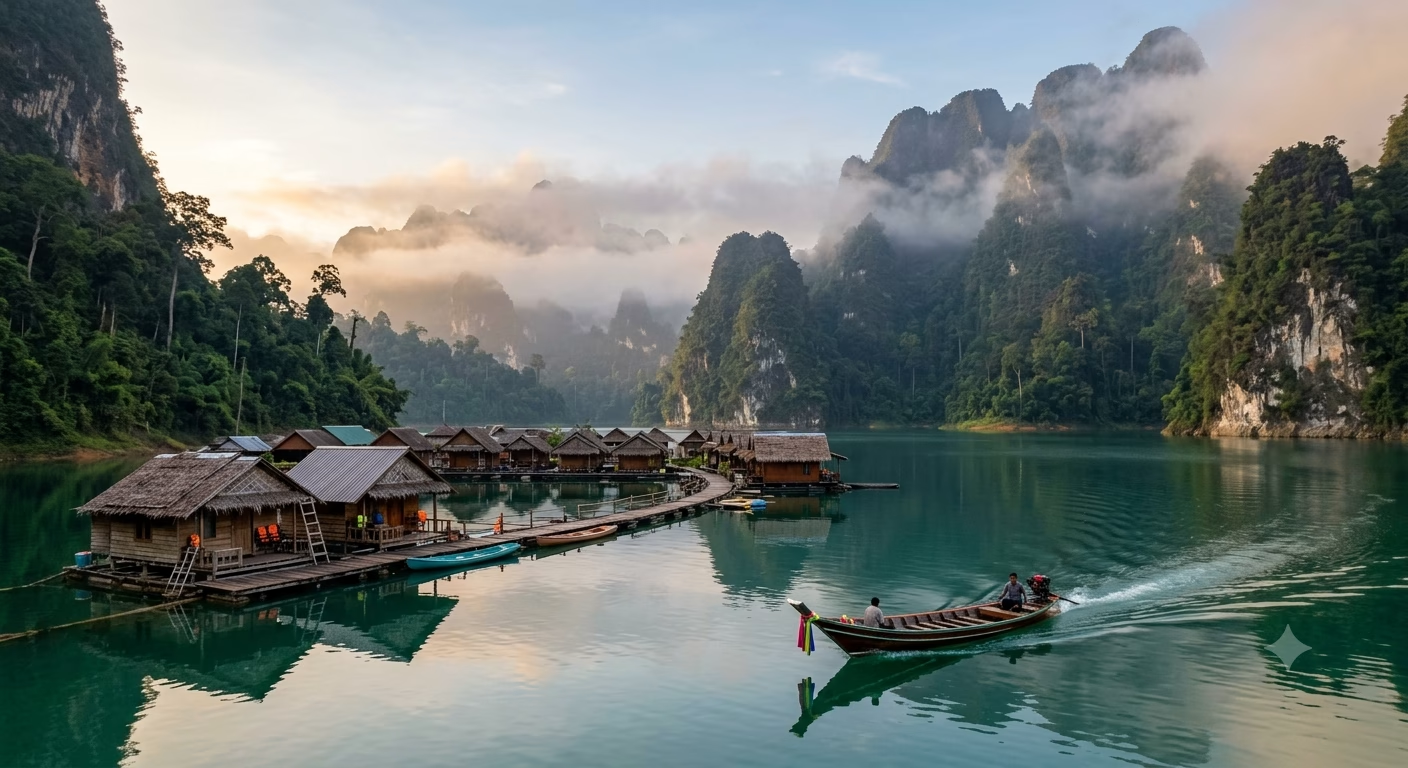
Khao Sok National Park, Thailand: Sleep in a floating bungalow on Cheow Lan Lake, then kayak beneath limestone cliffs before breakfast. Two-day trips from Khao Sok village usually cost ฿2,500–฿5,000 in 2026, including boat transfers, meals, and a guided cave or jungle walk.
Choose a basic raft house for quiet surroundings, or pay more for air conditioning and a private bathroom. Watch out for itineraries that hide park, pier, and wildlife sanctuary fees until departure.
-
Komodo National Park, Indonesia: Leave Labuan Bajo before dawn for Padar Island, Komodo dragons, Pink Beach, and a possible manta-ray stop. Shared speedboat trips generally run from IDR 1.4–2.5 million in 2026, while multi-night wooden boats offer more time away from the busiest landing points.
Manta Point has strong currents, even when the surface looks calm. Use the provided life jacket and follow your guide rather than swimming toward rays on your own.
-
El Nido and Coron, Philippines: El Nido suits lagoon kayaking and short island-hopping days. Coron offers clearer wreck diving, limestone lakes, and fewer polished beach stops. Shared boat tours commonly cost ₱1,400–₱2,000 per day in 2026, before lagoon access fees and equipment rental.
Do not schedule an outbound flight immediately after a boat day. Philippine Coast Guard cancellations are common during high winds, particularly from July through October.
-
Gunung Mulu National Park, Malaysian Borneo: Walk into Deer Cave at dusk for the bat exodus, or tackle the steep three-day Pinnacles trek. You must use approved guides for many routes, and the Pinnacles trip requires good fitness, gloves, and an overnight stay at Camp 5.
Reliable data matters when boat times change or trail meeting points move. Telekonek offers eSIM data plans that work in 200+ countries, so you can load weather radar, offline maps, and booking messages before reaching areas with weak reception. Download maps in advance because Cheow Lan Lake, Komodo, and Mulu all have major signal gaps.
These parks and islands rank among the things to do in Southeast Asia, but your experience depends more on season and route than luxury.
Takeaway: Match Khao Sok with southern Thailand, Komodo with Bali, and Palawan with Manila to keep transfers manageable.
Cultural Immersion: Must-See Temples and Historical Sites
Among the things to do in Southeast Asia, these sacred and royal sites deserve more than a quick photo stop. Each one reveals how religion, trade, and empire shaped the region.
-
Angkor Archaeological Park, Cambodia: Start at Angkor Wat, then continue to Bayon’s carved faces and the tree-covered ruins of Ta Prohm. The vast UNESCO-listed Angkor complex served as the heart of the Khmer Empire between the ninth and fifteenth centuries.
A one-day pass costs about US$37 in 2026, while a tuk-tuk for the main circuit runs US$18–$30. Watch out for the punishing midday heat. Enter at 5 a.m., rest after lunch, and return for late-afternoon light.
-
Borobudur, Indonesia: You climb through nine levels decorated with Buddhist reliefs before reaching bell-shaped stupas overlooking Central Java’s volcanoes. The upward route represents a spiritual journey from desire toward enlightenment.
Timed monument-access tickets generally cost around IDR400,000–IDR500,000 for international guests in 2026. Entry rules and climbing quotas change, so reserve a monument ticket rather than a cheaper grounds-only ticket. Mondays may bring restricted access to the upper structure.
-
Bagan, Myanmar: More than 2,000 surviving temples and stupas spread across a dry plain beside the Irrawaddy River. Ananda Temple rewards you with gilded Buddhas, while Dhammayangyi shows the scale and ambition of Bagan’s medieval kings.
Hire an e-bike for roughly US$8–$15 per day in 2026, but confirm current security conditions before committing to the journey. Temple climbing is prohibited, and old blog posts recommending rooftop sunrise spots are outdated. Use marked viewpoints instead.
-
Ayutthaya, Thailand: You can see the former Siamese capital on a day trip from Bangkok. Wat Mahathat holds the famous Buddha head wrapped in tree roots, while Wat Chaiwatthanaram offers the finest sunset view across its Khmer-style towers.
The train journey takes roughly 90 minutes to two hours and costs about ฿15–฿350, depending on the service. Rent a bicycle for ฿60–฿100, or pay ฿300–฿500 hourly for a tuk-tuk. Keep your shoulders covered and never pose above the Buddha head.
-
Hue Imperial City, Vietnam: Pass through Ngo Mon Gate into the Nguyen dynasty’s former political center. Restored halls stand beside ruins left by warfare, making Hue feel less polished and more historically layered than many palace complexes.
Expect admission near VND200,000 in 2026, with higher-priced passes covering royal tombs. Use your Telekonek data to call a Grab car between the Citadel and the scattered tombs of Minh Mang and Khai Dinh. Taxi waiting fees can otherwise exceed the entrance costs.
Takeaway: Among the temple-focused things to do in Southeast Asia, give Angkor two days, reserve Borobudur’s upper levels, and visit Ayutthaya or Hue before the midday heat.
Gastronomic Adventures: Street Food and Dining Experiences
Food belongs high on your list of the things to do in Southeast Asia. You can eat remarkably well for US$2–$6, but the best dish often depends on choosing the right street.
-
Bangkok, Thailand: Reach Yaowarat Road after 6 p.m. for peppery noodles, grilled seafood, and mango sticky rice. Most plates cost ฿60–฿200 in 2026, while seafood can rise above ฿500.
For a less touristy meal, try boat noodles near Victory Monument for around ฿20–฿30 per small bowl. Many Bangkok street stalls close on Mondays for street cleaning, so confirm opening hours using your Telekonek data before crossing the city.
-
Hanoi, Vietnam: Order bún chả, which pairs grilled pork with rice noodles, herbs, and a sharp fish-sauce broth. Bún Chả Hương Liên usually charges around ₫50,000–₫120,000, depending on your set.
For variety, walk the Old Quarter around Hàng Buồm and Đồng Xuân Market. Choose busy stalls where ingredients move quickly, and avoid raw herbs if your stomach is already unsettled.
-
George Town, Malaysia: New Lane fills with food carts from late afternoon. Try char kway teow for RM8–RM15, then compare it with tangy Penang assam laksa.
Gurney Drive Hawker Centre offers more choice but feels busier and more commercial. New Lane suits a compact food crawl, while Gurney Drive works better when your group wants satay, noodles, rojak, and desserts together.
-
Singapore: Maxwell Food Centre gives you chicken rice, fish soup, and fresh sugarcane juice near Chinatown. Expect S$4–S$8 for a main dish in 2026.
Old Airport Road Food Centre offers deeper choice and fewer sightseeing crowds. Carry some Singapore dollars because smaller stalls may not accept foreign cards, and return your tray after eating.
-
Yogyakarta, Indonesia: Try gudeg, a sweet jackfruit stew served with rice, egg, and chicken. Gudeg Yu Djum is an accessible introduction, with meals generally costing Rp25,000–Rp70,000.
For evening snacks, browse Jalan Malioboro for satay, bakpia pastries, and kopi joss coffee. Confirm prices before ordering from an unmarked menu; add-ons can turn a cheap plate into a surprisingly expensive meal.
-
Manila, Philippines: Explore Binondo around Ongpin Street for lumpia, dumplings, and rich bowls of mami noodles. A self-guided tasting crawl typically costs ₱500–₱1,000 per person.
Keep each order small because portions add up quickly. The neighborhood becomes crowded around lunch, so arrive near 10:30 a.m. and follow this Southeast Asia budget guide when balancing food stops with daily costs.
Takeaway: Eating well is one of the great things to do in Southeast Asia, so carry cash, choose busy stalls, order small portions, and use Telekonek to confirm hours and translate menus.
Thrilling Activities: Adventure Sports and Unique Experiences
The things to do in Southeast Asia extend far beyond sightseeing. You can descend waterfalls, dive beside reef sharks, climb a volcano, or learn an art form from a local craft studio.
-
Dive at Sipadan, Malaysia: Base yourself in Semporna or on nearby Mabul Island. Sipadan’s steep reef walls attract green turtles, barracuda, and whitetip reef sharks.
Expect RM1,200–RM1,800 for a 2026 day package with three dives and the required permit. Spaces are limited, and many shops ask for an advanced certificate or strong dive record. Confirm the permit in writing before paying for flights or accommodation.
-
Go canyoneering at Kawasan Falls, Philippines: Start near Badian in southern Cebu, then jump, swim, and slide through turquoise river pools. The full guided route takes roughly four to five hours and costs ₱2,100–₱3,500 in 2026.
Wear closed water shoes rather than sandals. Tours can stop after heavy rain, so keep your Telekonek data active for weather alerts and last-minute messages from your guide.
-
Trek Mount Rinjani, Indonesia: Choose a two-day crater-rim trek for dramatic views without the punishing summit push. A three-day summit route is harder and usually costs Rp3,000,000–Rp5,500,000 in 2026, including guides, tents, meals, and park fees.
Watch out for cheap packages that underpay porters or leave rubbish behind. Ask about porter weight limits, waste removal, and emergency procedures before booking. Seasonal closures often affect the wettest months.
-
Ride the rapids near Luang Prabang, Laos: Half-day and full-day trips run on rivers outside the city, with conditions changing sharply by season. Expect roughly US$45–$90 in 2026, including transport, safety equipment, and lunch on longer trips.
High water can make rapids dangerous, while late dry-season routes may feel gentle. Ask which river and rapid grade you will actually tackle that day.
-
Trade adrenaline for hands-on culture: Watch Legong dance at Ubud Palace, usually around 7:30 p.m., with tickets near Rp100,000–Rp150,000. Arrive 45 minutes early because front seats fill quickly and sightlines from the back are poor.
In Yogyakarta, join a two-to-three-hour batik workshop for about Rp250,000–Rp500,000. You will draw patterns with hot wax, apply dye, and leave with your own cloth instead of another factory-made souvenir.
Takeaway: For the adventurous things to do in Southeast Asia, reserve permit-based trips first, then use flexible cultural workshops to fill weather-affected days.
Staying Connected: Mobile Data and eSIM Options in Southeast Asia
Reliable data matters when you need Grab, Gojek, live translation, ferry updates, or a QR payment. The best things to do in Southeast Asia often span several countries in a single trip, and Telekonek offers eSIM data plans that work across 200+ countries, making multi-country routes much easier to manage.
Install your Telekonek eSIM over Wi-Fi before departure, but activate the plan according to its instructions. Keep your home SIM switched off for mobile data to prevent roaming charges. You can still receive bank verification texts if your carrier allows overseas service.
- Thailand: AIS and True have broad networks, including many islands and northern towns. Local tourist SIM packages usually cost ฿300–฿700 for 8–30 days in 2026, or you can set up a Telekonek Thailand eSIM before you fly and connect the moment you land.
- Vietnam: Viettel generally reaches farther into mountain areas, while VinaPhone and MobiFone cover major cities well. That rural reach matters around Ha Giang, Sapa, and Phong Nha.
- Indonesia: Telkomsel has extensive coverage across Bali, Java, and many outer islands. Indosat and XL can cost less in cities, but signals may weaken between towns.
- Malaysia and Singapore: Maxis, CelcomDigi, and U Mobile serve Malaysia. Singtel, StarHub, and M1 cover Singapore, where even short visitor plans often include more data than you need.
- Philippines: Globe and Smart dominate, yet island coverage varies sharply. Download offline maps before boat trips around Palawan, Siargao, or the Visayas.
- Cambodia and Laos: Smart, Cellcard, and Metfone operate in Cambodia. Unitel and Lao Telecom cover Laos, though mountain roads can still have long dead zones.
A local physical SIM usually costs about US$5–$20 in 2026, depending on data and duration. It can suit a month-long stay in one country, but you must find an official counter, show your passport, and swap cards. Airport packages often cost more than city packages and may include unnecessary call credit.
A regional Telekonek plan is more practical when your route crosses several borders. Your phone reconnects after landing, so you avoid registration queues and repeated SIM changes. This works especially well for routes linking Bangkok, Siem Reap, Ho Chi Minh City, and Singapore.
Watch out for locked phones and dual-SIM settings. Confirm that your device supports eSIM and has no carrier lock before leaving home. After installation, select Telekonek for mobile data and follow the plan’s setting for data roaming.
Also save hotel addresses, tickets, and key map areas offline. Signals can disappear on overnight trains, remote beaches, mountain passes, and open-water ferry routes.
Takeaway: Install Telekonek before departure, set it as your data line, and download offline maps before remote journeys.
Festivals and Events: Our Picks for Cultural Celebrations
Festival dates can change transport, opening hours, and hotel prices across the region, and timing a trip around one is among the most memorable things to do in Southeast Asia. Add these celebrations to your route before booking flights, especially when public holidays last several days.
-
Tết and Lunar New Year, Vietnam and Singapore: Lunar New Year falls on February 17 in 2026. In Hanoi and Ho Chi Minh City, flower markets fill streets before Tết, but many restaurants and museums close during the first days.
For busier public celebrations, follow lantern displays around Singapore’s Chinatown and evening events near Marina Bay. You can find more regional ideas in this guide to unforgettable destinations for Chinese New Year. Watch out for Vietnamese train tickets selling out days earlier than usual.
-
Nyepi, Bali: Bali’s Day of Silence begins at 6 a.m. on March 19, 2026, and lasts 24 hours. The airport closes, streets empty, lights stay low, and you must remain inside your accommodation.
Arrive by March 17 to avoid flight disruption. On the previous evening, watch giant ogoh-ogoh figures parade through areas such as Denpasar, Ubud, and Sanur. Choose a hotel that provides meals because restaurants and delivery apps stop operating during Nyepi.
-
Songkran, Thailand: Thailand celebrates its traditional New Year from April 13–15. Chiang Mai’s Old City moat becomes the most intense water-fight zone, while Bangkok concentrates the action around Silom Road and Khao San Road.
Buy a waterproof phone pouch for ฿100–฿250 and wear closed shoes with grip. Do not ride a scooter through crowded celebration areas. Keep your Telekonek data running so you can follow road closures and find a Grab pickup point away from blocked streets.
-
Singapore National Day: August 9 brings military displays, performances, and fireworks around Marina Bay. Official parade seats require tickets, but you can watch the evening fireworks from Marina Barrage, the Esplanade waterfront, or Bay East Garden without paying.
Reach your viewing spot by 5 p.m. and bring water. Bayfront and City Hall MRT stations become packed after the show, so walk toward Downtown or Nicoll Highway station before joining the train queue.
-
Loy Krathong and Yi Peng, Chiang Mai: These northern Thai celebrations usually fall during November’s full moon. You can float a small krathong near the Ping River and watch lantern displays around Tha Phae Gate.
Free city events feel lively and accessible, while private mass-lantern releases often cost ฿4,000–฿7,000 in 2026. Confirm the official date before paying. Watch out for unofficial ticket sellers and choose biodegradable krathongs without plastic foam or metal pins.
Takeaway: Match your route to fixed 2026 dates, then protect transport bookings from holiday closures and festival crowds.
Family-Friendly Fun: Activities and Attractions for Kids
The things to do in Southeast Asia with kids mix wildlife, water play, science, and hands-on crafts. Build each day around one major attraction, then leave room for naps and tropical downpours.
-
Singapore Zoo and Night Safari, Singapore: You can see orangutans, elephants, and pygmy hippos along shaded paths at Singapore Zoo. Admission in 2026 costs roughly S$45–S$55 per adult and S$30–S$38 per child.
From Khatib MRT, the Mandai shuttle takes about 20 minutes and costs around S$2 each way. The separate Night Safari begins after dark, but pairing both parks creates a tiring 12-hour day for younger kids.
-
Children’s Discovery Museum, Bangkok: This free museum beside Chatuchak Park has building zones, science exhibits, and an outdoor water-play area. Take the BTS to Mo Chit, then walk about ten minutes.
You should bring swimwear, a towel, socks, and a change of clothes. The museum normally opens Tuesday through Sunday, while some zones close during heavy rain or maintenance.
-
Entopia, Penang: This indoor-outdoor butterfly center in Teluk Bahang works well when Penang feels too hot for sightseeing. Your kids can watch butterflies emerge, examine insects, and explore interactive habitats.
Expect 2026 international admission of about RM70–RM85 per adult and RM50–RM65 per child. Bus 101 from George Town takes 60–90 minutes, while a Grab usually takes 35–45 minutes and costs RM30–RM50.
-
Petrosains and KLCC Park, Kuala Lumpur: Petrosains inside Suria KLCC combines space, energy, and engineering exhibits with a short dark ride. Tickets generally cost RM25–RM40 per adult and RM15–RM25 per child in 2026.
Afterward, use the free playground and splash pool at KLCC Park. Reserve a timed Petrosains slot before weekends because same-day entry can sell out even when the mall remains quiet.
-
Waterbom Bali, Kuta: You get gentle pools for small kids and faster slides for older children and adults. Expect roughly IDR450,000–IDR650,000 per person, with lockers, towels, and food costing extra.
Arrive near the 9 a.m. opening before slide queues grow. Watch the height rules before promising a particular ride, since several popular slides require your child to measure about 120 centimeters.
-
Lantern making in Hoi An, Vietnam: A small workshop gives you a calmer break from theme parks. Classes around the Old Town usually last 90 minutes and cost US$8–US$18, including a folding lantern you can pack.
Use your Telekonek data to message the studio before walking over; many workshops are family-run and change sessions around private groups. Choose an afternoon class, then stay for the lantern-lit river after sunset.
Takeaway: For family-friendly things to do in Southeast Asia, pick one main attraction daily, check height limits, and carry dry clothes for sudden rain or splash zones.
Tips for Sustainable Travel: How to Explore Responsibly
Some of the best things to do in Southeast Asia are also the most sustainable, and responsible travel starts with where your money goes. Choose family-run stays, local guides, and workshops where you meet the craftsperson. Direct bookings usually keep more of your payment in the community.
- Sapa, Vietnam: Hire a Hmong, Dao, or Tay guide for a village trek rather than joining an unstaffed “self-guided” route. A private day walk usually costs US$25–$50 in 2026, while homestays around Ta Van run about US$15–$35. Use this 2026 Sapa travel guide to choose routes and villages.
- Siem Reap, Cambodia: See Phare, The Cambodian Circus instead of a captive-animal show. Tickets generally cost US$18–$40 in 2026 and support paid performers and arts training.
- Luang Namtha, Laos: Book trekking through a licensed local operator that uses village guides and agreed community fees. Ask how meals, accommodation, and guide payments are divided before paying.
Watch out for visits to schools, orphanages, and villages arranged mainly for photographs. Never hand money or sweets directly to children. Buy food, textiles, or services from adults through established community projects instead.
Wildlife encounters need the same care. Skip elephant riding, forced bathing, tiger selfies, dolphin touching, and civet-coffee farms with caged animals. Choose observation from a distance, ideally with a park ranger or trained naturalist.
On Malaysia’s Kinabatangan River, shared wildlife cruises commonly cost RM100–RM250 in 2026. Keep your voice low, avoid flash, and never ask a boat driver to crowd an orangutan or pygmy elephant. More boats do not mean a better sighting.
Plastic waste becomes a serious problem on smaller islands, where rubbish may leave by boat or be burned. Carry a refillable bottle and use hotel dispensers or mapped refill stations. In Bali, filtered refills often cost around Rp5,000–Rp10,000, far less than buying several small bottles.
Bring a cloth bag, reusable utensils, and a dry bag for your rubbish on boat trips. “Biodegradable” packaging still needs proper disposal. Never leave fruit peels on trails because decomposition is slow and food changes animal behavior.
Protect reefs by wearing a rash guard, using minimal mineral sunscreen, and keeping fins above coral. Do not stand on reefs during low tide. Also refuse shells, coral jewelry, and starfish photographs that require animals to be removed from the water.
You can also reduce transport impact without losing a full sightseeing day. Overnight trains work well between Bangkok and Chiang Mai, while sleeper services connect Hanoi with central Vietnam. Choose lower berths for easier access, and bring a light layer because air-conditioning can feel cold.
Stay connected so you can find refill points, verify community operators, and download park rules before losing signal. A Telekonek eSIM plan gives you practical access to maps and booking messages without hunting for a SIM shop after arrival.
Takeaway: Choose the responsible version of the things to do in Southeast Asia: spend directly with local businesses, keep your distance from wildlife, refill instead of rebuying, and carry every piece of waste out.