
Day 1: Discover the Heart of Mexico City
Day 1 of your 5-day itinerary for Mexico is about getting your bearings in Mexico City fast. You’ll bounce between huge public squares, calm courtyards, and one of the best neighborhood food scenes in the country. Plan on an early start because museum entry lines can eat your day.
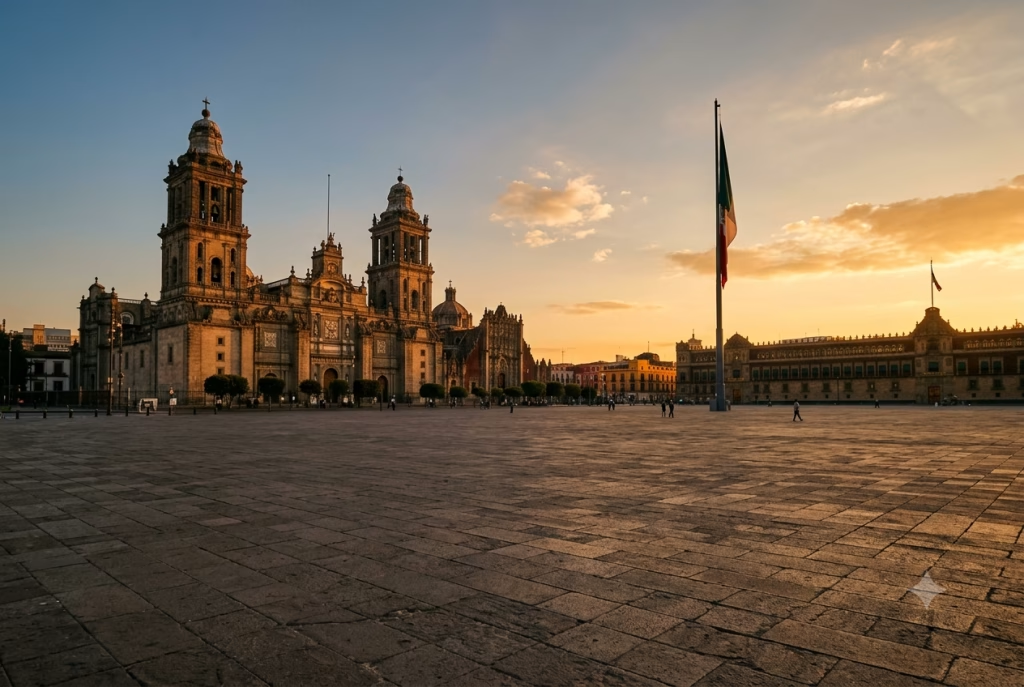
Morning: Zócalo + Historic Center (Centro Histórico). Start at Plaza de la Constitución (the Zócalo) around 8:00–9:00 a.m. It’s quieter, and you’ll get clear photos before the crowds and street performers arrive. Walk straight to the Catedral Metropolitana to see the side chapels and the massive organ, then cross to the Templo Mayor ruins next door.
Buy Templo Mayor tickets on-site and expect a 45–90 minute visit depending on how deep you go into the museum rooms. The ruins are exposed to sun, so bring water and a hat. A small “what goes wrong” here: the altitude (over 2,200 m) plus a long walk can hit harder than you expect, especially if you landed last night.
Midday: Palacio de Bellas Artes + lunch nearby. From the Zócalo, walk or take Metro to Bellas Artes to see the murals (and the building itself). If you’re using Metro, keep your phone and wallet out of back pockets in crowded cars. Having reliable data matters today because you’ll be hopping neighborhoods and stations; with Telekonek’s Mexico eSIM you can set up service before you land, then use live directions and ride apps right away. Telekonek also offers eSIM data plans that work in 200+ countries, so it stays useful beyond this trip.
For lunch, go classic and central: El Cardenal (Palma) for traditional Mexican dishes in a nice dining room (expect a wait at peak hours), or keep it casual at Café de Tacuba for historic vibes and hearty plates. Budget for MXN $250–$500 per person (2026) with a non-alcoholic drink.
Afternoon: Coyoacán + Frida Kahlo Museum (Casa Azul). Head south to Coyoacán after lunch. The fastest combo is often Metro + short ride-share, depending on traffic. The Frida Kahlo Museum is small but packed, and timed entry can sell out days ahead. Lock in a slot that gives you at least 60–90 minutes inside, plus time for the courtyard.
Right after, walk to Jardín Centenario and Plaza Hidalgo for street snacks. Look for churros, esquites (corn in a cup), and fresh fruit cups with lime and chile. Watch out for prices that jump when you ask in English—confirm the total before they start assembling your order.
Evening: tacos done right (without wasting time). If you want a sure win, aim for a well-known taquería in a busy zone like Roma/Condesa and keep it simple: al pastor + one non-spicy salsa first, then build heat. Expect MXN $15–$30 per taco (2026) in popular areas. Use your Telekonek data to pin the exact entrance and check live wait times, because some spots look like “just a crowd” until you realize it’s a 40-minute line.
- Time budget: Centro (4–5 hrs) + Coyoacán/Frida (4–5 hrs) + dinner (1–2 hrs)
- Cash buffer: carry MXN $500–$1,000 for small eats, Metro, and tips
- One key rule: keep valuables off-table at cafés and never hang a bag on a chair
Takeaway: Do Centro early, book Casa Azul for mid-afternoon, and use solid data to move fast between neighborhoods without losing hours to guesswork.
Day 2: Teotihuacan Pyramids and Basilica de Guadalupe
Day 2 of your 5-day itinerary for Mexico is your big history day. You’ll pair Teotihuacan’s massive ruins with the most important pilgrimage site in the country. Do Teotihuacan first while it’s cool, then swing back through the city for the Basilica in the afternoon.
Start early: leave Mexico City around 7:00–7:30 a.m. If you have Telekonek in Mexico, download offline maps anyway, then use live data for bus updates and the best entrance gate on arrival. The site is huge, and small timing choices change your whole day.
How to get to Teotihuacan (two solid options):
- Public bus (cheapest, straightforward): Go to Terminal de Autobuses del Norte (Metro Autobuses del Norte on Line 5). Look for buses to “Pirámides / Teotihuacán”. Expect ~1–1.5 hours each way depending on traffic, and roughly MXN $120–$160 round-trip in 2026. Buses usually run frequently in the morning.
- Private driver/Uber (most convenient): Expect ~60–90 minutes each way, and typically MXN $900–$1,600 total for a half-day depending on demand. This is best if you want a sunrise start, or you hate stations.
Watch out for: “tour packages” sold near stations often bundle lunch and shops you didn’t ask for. If you just want the ruins, buy a direct bus ticket and keep moving.
Teotihuacan game plan (3.5–5 hours inside):
- 8:45–9:15 a.m.: Enter, grab water and sunscreen outside the gates, then head for the Avenue of the Dead. The first 30 minutes sets your rhythm.
- 9:15–10:15 a.m.: Walk north to the Pyramid of the Moon. The view down the avenue is your best “scale” photo.
- 10:15–11:00 a.m.: Cut across to Palacio de Quetzalpapálotl (easy to miss). The carved columns and murals are the detail most day-trippers skip.
- 11:00 a.m.–12:00 p.m.: Head south toward the Pyramid of the Sun. Even if climbing rules change, the base area gives you the classic perspective.
- 12:00–1:00 p.m.: Finish at the Temple of the Feathered Serpent (Ciudadela). It’s often quieter and feels more intimate.
Food tip: eat a simple lunch after you leave the site. On-site options can be pricey for what you get, and the midday heat makes heavy meals rough. Plan on MXN $120–$250 for a filling local meal nearby, more if you sit somewhere geared to tour groups.
Back in Mexico City, aim for late afternoon at Basilica de Guadalupe. Take Metro to La Villa–Basílica (Line 6) and walk in. You’ll see the Old Basilica and the New Basilica in one complex, plus the hillside chapels if you still have energy.
What goes wrong here: the Basilica area gets crowded fast, and pickpocketing can happen in the crush. Keep your phone in a front pocket, and use Telekonek for quick rideshare pickup points rather than standing around with your device out.
Takeaway: Do Teotihuacan at opening for cooler weather and smaller crowds, then end at the Basilica late afternoon when your legs are done but your curiosity isn’t.
Day 3: Unwind in the Enchantment of Puebla
Day 3 of your 5-day itinerary for Mexico is your breather day. Puebla is close enough for a day trip, but different enough to feel like a reset. You’ll trade Mexico City’s pace for colonial streets, tiled facades, and one of the best food scenes in the country.
Getting to Puebla from Mexico City (pick one and commit). The easiest plan is a morning bus to Puebla’s main station, then rideshare into the historic center. Keep your Telekonek Mexico eSIM on for live departure gates, rideshare pickup points, and quick map checks when streets start to look the same.
- Bus (best balance): Depart from TAPO (Terminal de Autobuses de Pasajeros de Oriente). Expect 2–2.5 hours each way, depending on traffic. Tickets are usually MXN $250–$450 one way in 2026. Aim for a 7:30–9:00 a.m. departure so you arrive before the midday crowds.
- Private driver (most convenient): Faster door-to-door, but price jumps fast. Expect roughly MXN $2,000–$4,000 round trip in 2026, depending on pickup zone and wait time.
Once you’re in Puebla’s Centro Histórico, start at the Puebla Cathedral (Catedral Basílica de Puebla). Go inside first. The light is better in the morning, and you’ll avoid the heaviest tour groups. From there, walk to the Zócalo for a coffee stop and people-watching before you dive into markets.
Your next anchor is El Parián, the craft market famous for talavera-style ceramics. It’s touristy, but it’s efficient. You can see a lot fast, then move on. Two blocks away, pair it with the Barrio del Artista for a quieter stroll and small galleries.
Market move: head to Mercado El Carmen around lunch for local snacks and sweets. If you only eat one “Puebla thing” today, make it mole poblano. Look for a sit-down spot near the center like El Mural de los Poblanos (popular for a reason) or Fonda de Santa Clara for classic plates. Expect MXN $180–$350 for a main dish in 2026, more if you add a craft beer or mezcal cocktail.
What goes wrong: Puebla day trips get derailed by return traffic and sold-out evening buses. Buy your return ticket earlier in the day, and aim to leave Puebla by 6:00–7:00 p.m. If you’re relying on mobile data to pull up schedules and platforms, keep Telekonek active so you don’t end up guessing at TAPO with 20 other confused travelers.
Takeaway: Bus to Puebla early, cathedral + markets mid-day, mole poblano for lunch, and lock in your return ticket before sunset.
Day 4: Experience the Beaches of Cancún
Day 4 of your 5-day itinerary for Mexico is your hard reset: you’re trading altitude and traffic for sea breeze and turquoise water. The big move is getting from Mexico City to Cancún without wasting the whole day.
Mexico City → Cancún: what actually works. Flying is the only realistic same-day option if you want beach time. Expect 2–2.5 hours in the air, plus airport time on both ends.
- Fly from MEX (Benito Juárez): most frequent departures, but security lines can spike on Monday mornings and Friday afternoons. Plan to arrive 2 hours early.
- Fly from NLU (AIFA): sometimes cheaper, but it’s farther from most neighborhoods. Budget 60–90 minutes from Roma/Condesa by car in normal traffic.
Once you land at Cancún International (CUN), your first “what goes wrong” moment is usually the exit gauntlet. You’ll be offered “free” tours and “VIP transport” before you reach the curb. Keep walking until you’re outside, then book your ride on your phone using Telekonek data so you’re not negotiating tired and sweaty.
Airport → Hotel Zone (Zona Hotelera): expect 20–35 minutes depending on your hotel’s kilometer marker. Shared shuttles can be cheaper (often ~$10–$20 USD per person in 2026 ranges), but they add stops. A private transfer or taxi is faster (often ~$35–$60 USD to the Hotel Zone), and worth it if you’re arriving after dark.
Beach plan that feels like Cancún (not just any beach). Aim for Playa Delfines mid-morning for the wide sand and the famous “CANCUN” sign. There’s no pier here, so the water looks cleaner, and it’s less “party beach.” Watch out for red flags—shore break can be strong, and it’s where people get knocked over.
If you want a swimmable, calm-water day, do an Isla Mujeres run. Take the ferry from Puerto Juárez (main terminal) rather than guessing smaller docks. Ferries are frequent, but times shift seasonally, so check day-of while you’re in line. Once on the island, head straight to Playa Norte for the postcard water. Rent a golf cart for a loop, but take photos of existing scrapes before you drive off—damage disputes happen.
Where to eat tonight (and why). In the Hotel Zone, La Parrilla is an easy first-night win for al pastor and margaritas without a dress code. If you’re downtown (El Centro), Taquería Coapeñitos is known for late-night tacos and fast service when you’re hungry now, not in 40 minutes.
Nightlife without losing your night. For clubs, the classic strip is around Punta Cancún in the Hotel Zone. Pre-game with a real meal, keep a screenshot of your hotel address, and use Telekonek to pin your pickup spot—rideshares and taxis get chaotic around closing time.
If you want your maps, ferry times, and rides to work the second you land, set up your Telekonek Mexico eSIM before you leave Mexico City.
Day 5: Adventure in Tulum – Ruins and Eco-Friendly Living
Day 5 of your 5-day itinerary for Mexico is where Tulum earns its hype—if you time it right. Start with the ruins early, then cool off in a cenote, and finish with a beach sunset that feels like a reward.
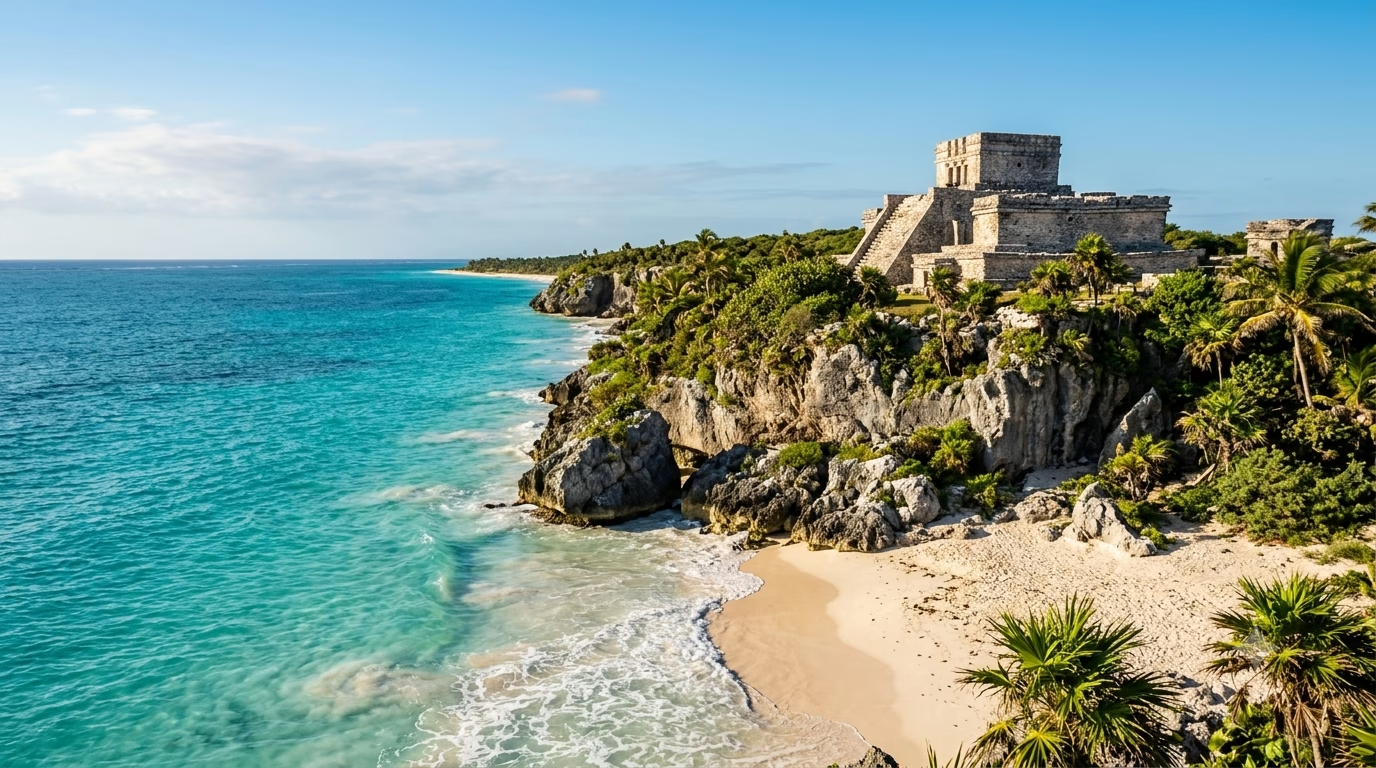
Morning: Tulum Ruins (Zona Arqueológica de Tulum) before the heat. Aim to arrive around 8:00 a.m. so you’re inside close to opening and before the tour buses stack up. Expect about 1.5–2 hours on-site. The magic here is the setting: stone temples on a cliff above bright Caribbean water. It’s also very exposed—bring water, reef-safe sunscreen, and a hat.
Plan your arrival like a logistics problem, not a vibe. Parking and access can feel chaotic, and the walk in is longer than it looks on the map. Keep Telekonek’s Mexico eSIM active so you can pin your exact parking spot, message your driver, and check live hours if the entrance flow changes.
- Budget + control: Take a taxi or rideshare from Tulum town early, then leave as the late-morning crowds arrive.
- Comfort: Hire a driver for a half day. It costs more, but you won’t waste energy negotiating return rides in the midday sun.
Midday: Cenote swim (eco-friendly and actually refreshing). Pick one cenote and do it well. Cenotes are fragile, so skip heavy lotions and don’t touch formations. Two easy choices are Gran Cenote (popular, clear water, good for first-timers) and Cenote Calavera (smaller, more “jump-in” energy). Expect to pay roughly MXN $200–$500 in 2026 depending on the cenote and camera rules.
Watch out for a common fail: some cenotes require life vests and cash-only entry. Bring a little cash and a dry bag. Use Telekonek data to save a screenshot of the entrance rules and your return route before you go underground, where signal can drop.
Afternoon + night: Beach atmosphere without the headache. For the classic beach strip, head toward the hotel zone, but set expectations: traffic can crawl and prices jump near sunset. If you want a lower-stress beach day, go earlier and pick a single beach club to anchor your time, then leave before the dinner rush.
- Chill plan: late afternoon swim, early dinner, then a short walk for photos.
- Energy plan: sunset drinks, then commit to one venue instead of hopping (cover charges and taxi waits add up fast).
Takeaway: Do Tulum in this order—ruins at opening, one cenote midday, beach at sunset—and you’ll get the best parts without burning your whole day in lines.
Dining on Your 5-Day Itinerary for Mexico: Must-Try Foods and Restaurants
Food is the glue that holds your 5-day itinerary for Mexico together. You’re moving fast between Mexico City, Puebla, Cancún, and Tulum, so you want meals that are quick, local, and worth the calories. Keep your Telekonek Mexico eSIM active for map pins, waitlist links, and “is it open today?” checks before you cross town.
Mexico City: street food you can trust (and what to order). Start with a proper taco night in La Condesa / Roma where turnover is high and cooks are busy. El Califa de León (San Rafael) is famous for a reason: go for the taco de gaonera (thin-sliced beef) and keep it simple with lime and salsa. If you want a classic late-night stop, Tacos Orinoco (Roma/Condesa) does reliable trompo and chicharrón when your day runs long.
For a more “sit down and breathe” meal, book Contramar (Roma) for seafood. Order the tostadas de atún and the pescado a la talla (split, grilled fish with red/green sauces). Expect higher prices for Mexico City (think MXN $500–$900 per person in 2026 without going wild), but it’s one of the easiest ways to taste coastal Mexico before you even fly east.
Watch out for the classic CDMX street-food mistake: ordering “just one thing” at a slow stand. If the griddle is cold and nobody’s eating, keep walking. Your safest bet is a stall with a line, fast hands, and lots of local customers.
Puebla: mole, cemitas, and the sweets you pack home. Puebla’s signature is mole poblano, and you want it served with turkey or chicken, plus rice. A dependable pick in the historic center is El Mural de los Poblanos, where you can also try chiles en nogada when it’s in season (typically late summer into early fall). Prices are usually friendlier than CDMX; plan MXN $250–$500 per person in 2026 for a full meal.
Don’t leave without a cemita poblana (a big sesame roll sandwich). The key ingredients are milanesa (breaded meat), quesillo (Oaxacan string cheese), and papalo (a strong herb that changes the whole flavor). If you can’t find papalo listed, ask for it. Use Telekonek data to pin a nearby cemitas spot close to where you’re already walking, so you don’t burn your limited Puebla time in traffic.
Cancún + Tulum: what to eat beyond resort buffets. In Cancún’s Hotel Zone, you’ll pay for the view. If you want a smarter meal, go for Yucatán-style flavors like cochinita pibil (slow-roasted pork) and sopa de lima (lime soup). In Tulum, the must-try is tacos al pastor done right, plus fresh seafood where it makes sense—grilled fish, ceviche, and aguachile if you like heat.
Watch out in Quintana Roo: some beach-area “taco” spots quietly run tourist pricing with tiny portions. Look for menus with prices in pesos (not just dollars), and ask the cost before you order if it’s not printed.
- Quick ordering cheat sheet: “con todo” = with onions/cilantro; “sin picante” = no spicy; “salsas aparte” = sauces on the side.
- Street food hygiene rule that works: pick busy stands, eat food made hot in front of you, and skip pre-cut fruit sitting in the sun.
- Best snack to carry between stops: packaged pan dulce or sealed nuts from an OXXO when you’re stuck between tours.
Takeaway: Build each day around one “anchor” meal (mole in Puebla, seafood in CDMX, cochinita near the coast), and use Telekonek to find busy, high-turnover spots nearby.
Staying Connected: Mobile Data and eSIM in Mexico
On a fast-moving 5-day itinerary for Mexico, reliable data is not optional. You’ll use it for rideshare pickup points in Mexico City, bus gates to Puebla, flight change alerts to Cancún, and Google Maps when Tulum beach roads stop having signs. This is exactly where Telekonek’s Mexico eSIM pays off: you land connected, without hunting for a store or swapping your home SIM in a taxi.
Mexico has strong coverage in big cities and tourist corridors, but your signal can dip in the places you least want it. Expect weaker service inside Mexico City’s Metro stations, behind thick museum walls, and on stretches between Cancún and Tulum. In Quintana Roo, beach clubs can also overload local towers at sunset when everyone posts at once. Keeping your Telekonek data on means maps and messages still load when Wi‑Fi doesn’t.
Your Telekonek eSIM rides Mexico’s main mobile networks, led by Telcel — the network with the widest reach once you leave the big cities and head toward Teotihuacan, the cenotes, or the Tulum coast. That means strong data in the tourist corridors and a usable signal in the in-between stretches, with no shop visit and no SIM swap. Because it’s an eSIM, you also keep your home number live for bank texts while your Mexico data runs on the side.
Set it up before you fly and the rest of your connectivity plan gets simple:
- Activate before departure (or on airport Wi‑Fi) so your data works the second you land at MEX or CUN.
- Install WhatsApp — it’s the default for drivers, tours, and restaurants across Mexico, and it lets you call and message over data instead of racking up roaming charges.
- Download offline Google Maps for CDMX, Puebla, Cancún, and Tulum, then lean on Telekonek data for live reroutes and traffic.
- Pin key addresses (hotel, bus terminal, meeting points) — some Tulum beach roads share similar names.
Watch out for two common Mexico connectivity mistakes. First, people land at MEX and assume airport Wi‑Fi will be quick. It can be slow and crowded, especially in the mornings—another reason to have data ready on arrival. Second, travelers forget to turn off “Wi‑Fi Assist” (iPhone) or “Switch to mobile data” (Android). Your phone will quietly burn data when a café Wi‑Fi stutters. Set a data warning at 80% so you don’t run out mid‑day.
How much data you actually need for 5 days depends on how you travel. If you mostly use maps, WhatsApp, and browsing, plan 1–2 GB/day. If you upload beach videos, take Zoom calls, or tether a laptop, plan 3–5 GB/day. If you’re not sure where you land, this guide on how much data you actually need when traveling breaks it down by activity. Telekonek also offers eSIM data plans that work in 200+ countries, so the same setup carries straight into your next trip.
Takeaway: Set up your Telekonek Mexico eSIM before you go, then use data for navigation, rides, and last-minute changes without losing time on the ground.
Travel Tips: Navigating Mexico’s Culture and Customs
Mexico rewards good manners fast. Start with a simple greeting before you ask for anything: “Buenos días” (morning), “Buenas tardes” (afternoon), “Buenas noches” (evening). In Mexico City and Puebla, a quick “¿Me ayudas, por favor?” lands better than jumping straight to demands. In markets, don’t squeeze fruit or touch everything. Point, ask the price (“¿Cuánto cuesta?”), then decide.
Takeaway: Greet first, ask politely, and you’ll get warmer service almost everywhere.
Tipping is part of the daily rhythm, and it’s easy to under-tip if you’re moving fast. In sit-down restaurants, expect 10%–15% if service isn’t included. In bars, leave a few pesos per round or tip at the end. For hotel housekeeping, think 20–50 MXN per night. For Uber or taxis, a small tip is appreciated but not required. In street stalls, tipping is optional, but rounding up is common.
Takeaway: Budget a little cash for tips so you’re not stuck breaking big bills at the worst time.
Money is where small mistakes cost you time. Use ATMs inside banks or big supermarkets (look for “cajero” in well-lit areas). Skip random standalone ATMs on the street, especially in nightlife zones. If an ATM offers to charge you in your home currency, choose MXN instead. That option (dynamic currency conversion) often gives a worse rate. Carry two stashes: a daily wallet with small bills, and a backup card/cash kept separately.
Takeaway: Withdraw in busy, indoor locations, and always pay/withdraw in pesos when you can.
Getting around safely depends on the city and the hour. In Mexico City, the Metro is fast and cheap, but it gets packed at rush hour, and pickpockets love crowded cars and station transfers. Keep your phone out of back pockets, and don’t wear your daypack on your back in tight crowds. At night, rideshare is usually the smoother option door-to-door, especially after dinner in Roma/Condesa or leaving Centro Histórico. In Cancún’s Hotel Zone, buses on Kukulcán Boulevard are cheap and frequent, but taxis can quote “tourist prices” if you don’t agree on a fare first.
- Best value: Metro/bus in daylight + rideshare at night.
- Most common fail: Flagging an unmarked cab and arguing the price after you arrive.
Takeaway: Use public transit when it’s calm, and switch to rideshare when it’s late or you’re carrying bags.
In beach towns, what goes wrong is usually logistics, not crime. In Tulum, distances are bigger than they look on maps, and traffic can lock up around the beach road (hotel zone) around sunset. If you’re taking a taxi, confirm the price before you get in. If you’re renting a scooter, check the brakes, take a photo of any scratches, and don’t leave your passport in the seat compartment. For cenotes, bring cash and a dry bag; card readers can be “down,” and wet phones die fast.
Takeaway: In Tulum, confirm taxi fares upfront and plan extra time for traffic near the beach road.
Language basics will save you real minutes every day on this 5-day itinerary for Mexico. Learn these and you’ll avoid the blank stare at bus stations and ticket windows:
- “¿Dónde está…?” = Where is…?
- “¿A qué hora abre/cierra?” = What time does it open/close?
- “Sin picante, por favor.” = No spicy, please (or “poco picante” for a little).
- “La cuenta, por favor.” = The check, please.
- “¿Me puede cobrar con tarjeta?” = Can I pay by card?
Takeaway: Memorize five phrases and you’ll move through transit, meals, and tickets with less friction.
One last practical move: keep your maps, confirmations, and ride pickups working even when Wi‑Fi fails. Download offline maps before long days, but still keep mobile data on for live traffic, gate changes, and messaging. Grab an eSIM before you fly—Telekonek’s Mexico eSIM plans are a simple way to land connected, so you’re not hunting for a SIM shop or begging a café for a password when plans change.
Takeaway: Set up your data before arrival so you can navigate and book rides the moment you step outside.