
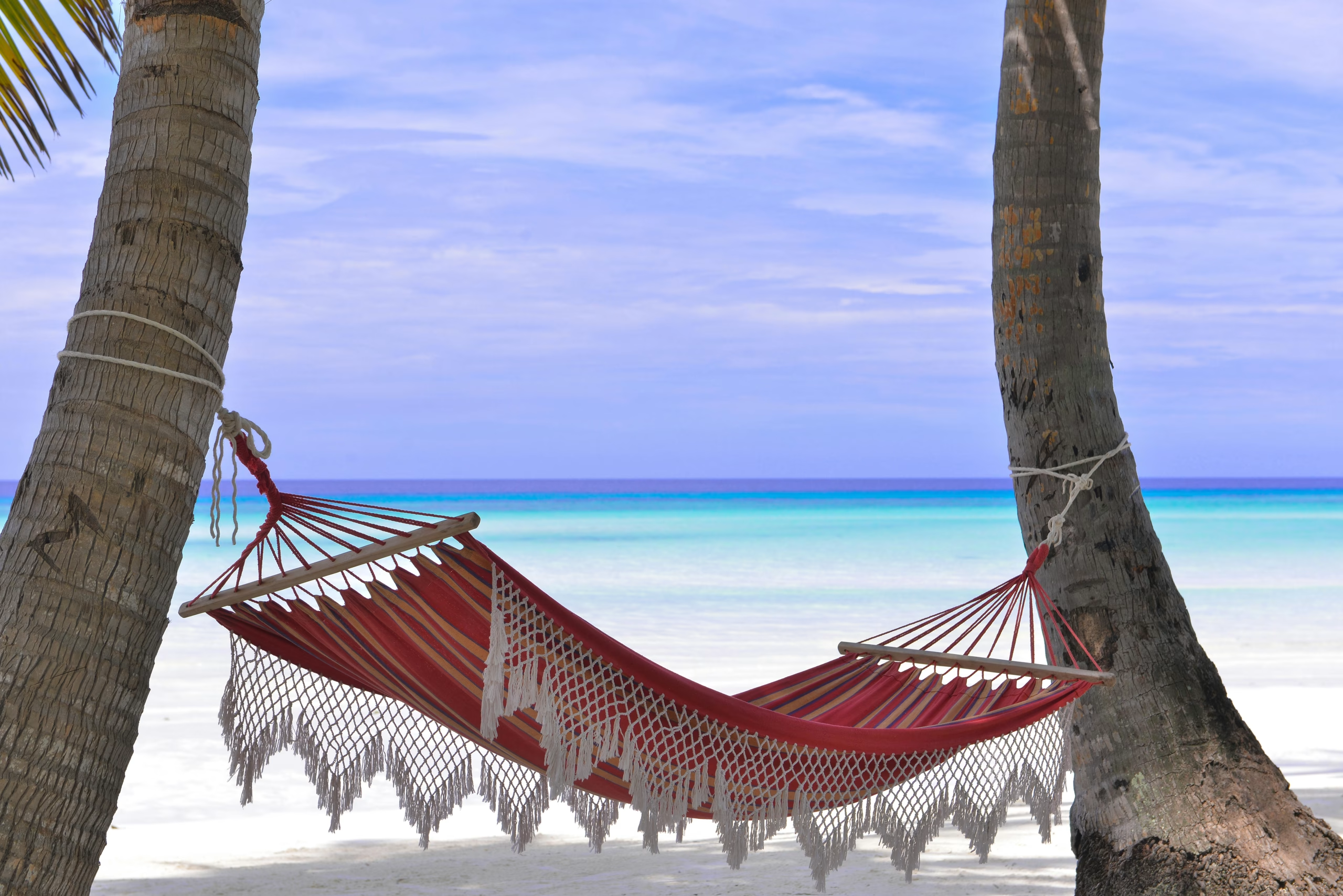
You don’t need a big budget to enjoy the Caribbean. Some of the cheapest Caribbean islands give you sun, sand, and culture without draining your savings. The region is more popular than ever — it welcomed a record 34.2 million visitors in 2024, a 6.1% rise over the previous year. The good news: a few of the busiest islands are also the most affordable.
Finding the cheapest Caribbean islands is about more than a low airfare. Doing the Caribbean on the cheap comes down to your daily costs — where you sleep, what you eat, and how you get around — which matter just as much as the flight. Travel in the off-season and eat where locals eat, and paradise gets surprisingly affordable. A Telekonek eSIM keeps you online to compare prices and book deals the moment you land, with no roaming bill.
Key Takeaways
- The Dominican Republic, Jamaica, Trinidad and Tobago, and Puerto Rico are among the most affordable Caribbean islands.
- Budget travelers can get by on roughly $45–$75 a day on most of these islands.
- Traveling from May to November cuts hotel prices by 30–60%, but it overlaps with hurricane season.
- Local guesthouses, street food, and public transport stretch your budget the furthest.
- A Telekonek eSIM keeps you connected for maps, rideshares, and bookings without roaming fees.
What Makes a Caribbean Island Affordable
A few things decide how cheap your trip will be. The first is airfare, which is usually your single biggest cost. Islands with more flight connections tend to have lower fares, so flexible dates pay off.
The second is where you stay. You can choose anything from resorts to family-run guesthouses. Islands with lots of small, local places make it easy to find a cheap bed for $25–$60 a night.
Timing is the third factor, and it’s a big one. Hotel rates in the low season often run 30–50% below the December-to-March peak, and on some islands the drop reaches 60%. Just keep an eye on the weather, since this window overlaps with hurricane season.
Food and getting around make up the rest. On islands where locals eat out often, you can fill up at street stalls for a few dollars. Public beaches, hikes, and local festivals cost little or nothing.
One saving people forget is connectivity. Roaming charges add up fast on a multi-island trip. A Telekonek eSIM skips them entirely, so you stay online to find deals and navigate without surprise fees.
The Cheapest Caribbean Islands to Visit
These four islands give you the most for your money. Each one pairs low daily costs with plenty to see and do.
Dominican Republic
The Dominican Republic is the most visited island in the region, with 8.5 million arrivals in 2024 — and it’s still one of the cheapest. Venture beyond the all-inclusive resorts and your costs drop fast.
Here’s what budget travel really looks like. A plate of la bandera — rice, beans, and stewed meat — costs around $2.50 to $5 at a local comedor. Street empanadas run under a dollar. Guesthouses go for $25 to $40 a night, and many beaches and swimming spots cost little or nothing. All in, you can travel well on about $50 a day.
Getting around is easy and cheap. Public guaguas (minibuses) cost very little, and Uber runs in Santo Domingo, Punta Cana, Puerto Plata, and Santiago, usually cheaper than a regular taxi. One money tip: the Dominican Peso is best for daily spending, and while US dollars are accepted in tourist areas, you’ll get a better rate exchanging at a local bank than at the airport.
When you arrive, a Telekonek eSIM for the Dominican Republic gets you online in about 30 seconds — no SIM swap, no roaming bill.
Jamaica
Jamaica drew 2.9 million visitors in 2024, and it’s an easy choice for a cheap Caribbean trip. Budget travelers average about $45 a day, with hostel dorms at $14 to $25 and street meals like jerk chicken for $3 to $6.
Transport is where you’ll save most. Public buses and route taxis cost under $5 a ride. For longer hops between towns, the Knutsford Express runs comfortable air-conditioned coaches, with routes like Kingston to Ocho Rios costing about $17 to $18. Rideshare apps aren’t widely available here, so stick to registered taxis or agree on a fare first.
The best parts of Jamaica are cheap or free. Hike the Blue Mountains, relax on Seven Mile Beach in Negril, or climb Dunn’s River Falls for around $19. The music and food scenes in Kingston and Montego Bay cost little to enjoy.
For a deeper plan, see our guide to cheap Caribbean vacations in Jamaica, and grab a Jamaica eSIM before you go so your maps work from the airport.
Trinidad and Tobago
Trinidad and Tobago give you rich culture and nature for less, and far fewer crowds. A budget traveler can get by on about $75 a day, covering a guesthouse bed, two meals of street food like doubles, and local maxi-taxi rides. Stick to guesthouses and local food and you can manage on $50 to $70 a day.
Trinidad is the lively island, with street food and Calypso music — and Carnival, one of the world’s great parties. Tobago is the quiet one, with calm beaches and reef snorkeling. Guesthouses in Trinidad’s Woodbrook area start around $60, while Tobago guesthouses run roughly $60 to $90 a night.
To move between the two islands, you have two options. The fast ferry takes about 2.5 to 3 hours and costs the least. The Caribbean Airlines air bridge flight takes barely 20 minutes and costs around US$24 one-way or US$48 round-trip. Once you’re there, maxi-taxis and route taxis keep costs down.
Hopping between islands means switching networks, so a Telekonek eSIM for Trinidad and Tobago keeps you connected the whole time.
Puerto Rico
Puerto Rico is a little pricier than the others, but it has one big advantage: as a U.S. territory, it uses the US dollar, so there’s no currency exchange for American travelers, and no passport needed. It’s more expensive than the Dominican Republic or Jamaica, but much cheaper than the mainland US.
Budget travelers spend about $85 to $120 a day in San Juan, with guesthouses at $75 to $100 and food from kiosks at $25 to $35. Public públicos (shared vans) cost about $0.75 to $1.50. Uber works in the San Juan metro area, though there’s no Lyft.
Some of the island’s best experiences are free. You can explore Old San Juan, the El Morro fort, and La Placita without spending a thing, and El Yunque National Forest is free to enter. For a cheap island day, the ferries to Vieques and Culebra cost only a few dollars round-trip — far less than flying.
A Telekonek eSIM for Puerto Rico keeps your maps and rideshare apps running the whole trip.
Budget Accommodation Options
You have lots of cheap places to stay across the islands. The right pick depends on your style and budget.
Hostels are the cheapest and most social option. In Jamaica, dorm beds run about $14 to $25 a night, and prices are similar in the Dominican Republic. They’re ideal for solo travelers who want to meet people.
Guesthouses feel more personal and often beat hotels on price. They’re common across all four islands, usually run by local families, and many serve home-cooked meals for a small extra fee. Expect $25 to $40 in the Dominican Republic and $60 to $90 in Tobago.
Budget hotels sit in the middle. You get more privacy than a hostel while keeping costs down. In Jamaica, mid-range hotels and guesthouses typically run $60 to $150 a night.
All-inclusive deals can also make sense. Paying one price for meals, drinks, and activities removes the guesswork, and the value is strongest in the off-season. Whatever you book, set up your Telekonek eSIM before you arrive so you can check in, message your host, and find your way without hunting for Wi-Fi.
Affordable Activities and Attractions
A small budget doesn’t mean missing out. The Caribbean is full of cheap and free things to do:
- Beaches: Most islands have free public beaches. Seven Mile Beach in Jamaica and the beaches of Vieques in Puerto Rico cost nothing.
- Historic sites: Walking Old San Juan or Santo Domingo’s colonial quarter is free, and forts and museums charge only a small fee.
- Nature: A world-class cenote like Laguna Dudu in the Dominican Republic costs about $6 to $7, and many island hikes are free.
- Festivals: Music and food events are a fun, cheap way to meet locals. Trinidad’s Carnival is the headline act.
- Markets and street food: Local markets serve authentic flavors for a few dollars.
- Island hopping: Short ferry trips let you see more than one island on a single trip.
With a Telekonek eSIM, you can pull up trail maps, ferry times, and festival schedules wherever you are.
Eating Out on a Budget
You can eat well across the Caribbean without spending much, as long as you skip the hotel restaurants.
In the Dominican Republic, la bandera at a local comedor runs about $2.50 to $5. In Jamaica, jerk chicken and other street meals cost $3 to $6. In Trinidad, the famous doubles — curried chickpeas in fried flatbread — cost around a dollar.
Puerto Rico is a bit more, but still reasonable. Roadside kiosks run about $10 to $15 a meal, and markets are cheaper for fresh local food. Across every island, the rule is the same: eat where locals eat, shop at markets, and save sit-down restaurants for a treat. A quick search on your Telekonek eSIM helps you find the spots locals love.
Getting Around for Less
Smart transport choices can save you hundreds over a trip.
Public transport is your cheapest friend. Jamaican buses and route taxis cost under $5, Dominican guaguas cost pennies, and Puerto Rican públicos run about a dollar. In Trinidad and Tobago, shared maxi-taxis do the same job for very little.
Ferries beat flights for short hops. In Puerto Rico, the boats to Vieques and Culebra cost just a few dollars round-trip. Between Trinidad and Tobago, the fast ferry is cheaper than the air bridge if you don’t mind the longer ride.
Rideshare availability varies, so it pays to know before you go. Uber covers the main Dominican cities and the San Juan metro in Puerto Rico, but it isn’t reliable in Jamaica, where registered taxis and the Knutsford Express are safer bets. Car rentals add flexibility on larger islands — just shop around and book ahead in busy months.
Whichever you choose, a Telekonek eSIM keeps your maps, ride apps, and ferry schedules working so you’re never stranded without directions.
Best Times to Visit for Deals
When you go changes how much you pay. The Atlantic hurricane season runs from June 1 to November 30, with the highest activity between August and October. That’s also when prices are lowest, so there’s a real trade-off.
The sweet spot is the shoulder months. April, May, June, and July offer warm weather and good value before the riskiest stretch, which is mid-August to early October. Late November, just before the holiday rush, is another bargain window.
How much can you save? Low-season hotel rates often run 30–50% below winter pricing, and on some islands the discount reaches 60%. Forecasters expect a near-normal 2026 season, with 14 named storms predicted, and most never hit the areas where visitors stay.
If you do travel in season, plan smart. Buy travel insurance, and know that major US airlines usually issue change waivers when a named storm threatens your route within about five to seven days. Timing your flights matters too — our guide to the best days to book a flight shows you when to lock in low fares.
How to Find the Cheapest Deals
A little flexibility unlocks the best prices. Try these tactics:
- Book early or last minute. Airlines and hotels often discount far-out dates or last-minute openings to fill seats and rooms.
- Stay flexible on dates. Shifting your trip into the off-season — roughly May to November — is the single biggest lever on price.
- Compare across a few sites. Different platforms surface different deals, so check more than one.
- Do the all-inclusive math. These packages look pricey up front but can win once you add up meals, drinks, and activities — especially off-season.
- Sign up for alerts. Airline and travel-site email lists often share subscriber-only deals first.
A Telekonek eSIM helps here too — you can compare prices and jump on flash deals the moment they appear, wherever you are.
Staying Connected Without the Roaming Bill
Connectivity is the cost most budget travelers overlook. Roaming charges from your home carrier can add up to more than a few nights of lodging, especially across a multi-island trip.
A travel eSIM fixes that. Instead of paying roaming rates or hunting for a local SIM, you install a Telekonek eSIM before you fly. It activates the moment you land, runs on local 4G and 5G networks, and keeps your home number reachable for verification codes.
For a Caribbean trip, that means live maps, instant rideshare and ferry bookings, real-time deal hunting, and easy photo sharing — all without a surprise on your phone bill. You can browse Telekonek’s affordable Caribbean eSIM plans and set yours up in minutes.
Your Caribbean Budget Checklist
A cheap Caribbean trip comes down to smart choices in a few areas:
- Stay in hostels, guesthouses, or budget hotels instead of resorts.
- Eat at local stalls and markets, where meals cost just a few dollars.
- Get around by public bus, route taxi, and short ferry rides.
- Travel in the shoulder season for 30–60% off peak prices.
- Exchange money at local banks, not airport kiosks.
- Stay connected with a Telekonek eSIM to skip roaming and book deals on the go.
Fun Facts About These Caribbean Islands
Before you pack, here are a few things that make these islands special:
- The Dominican Republic is home to Pico Duarte, the highest mountain in the entire Caribbean at about 10,174 feet.
- Puerto Rico’s Mosquito Bay, on the island of Vieques, holds the Guinness World Record as the brightest bioluminescent bay on Earth — and that cheap ferry gets you within reach of it.
- Trinidad and Tobago gave the world the steelpan, widely called the only acoustic instrument invented in the 20th century, and now the country’s official national instrument.
- Jamaica famously sent its first bobsled team to the 1988 Winter Olympics — the underdog story behind the film Cool Runnings.
Frequently Asked Questions
How can I visit the Caribbean for cheap?
To visit the Caribbean for cheap, focus on three things: pick a low-cost island like the Dominican Republic or Jamaica, travel in the shoulder season (roughly May to November) when hotel rates drop 30–60%, and stick to guesthouses, street food, and public transport. Budget travelers get by on about $45–$75 a day this way. Skipping roaming charges with a travel eSIM keeps another hidden cost off your bill.
Which is the cheapest Caribbean island to do on the cheap?
The Dominican Republic is the easiest place to do the Caribbean on the cheap, with meals from $2.50, guesthouses at $25 to $40 a night, and a daily budget around $50. Jamaica is a close second at about $45 a day. Both pair low costs with plenty to see and do.
What is the cheapest time of year to visit the Caribbean?
The cheapest time is the low season from May to November, when hotel rates run 30–60% below the December-to-March peak. The best value-to-risk window is April through July, before hurricane activity peaks between mid-August and early October.
Conclusion
The Caribbean has a reputation as a splurge destination, but that’s only half the story. Pick one of the cheaper islands, travel in the shoulder season, and lean on guesthouses, street food, and public transport, and you can enjoy world-class beaches for a fraction of what most people expect. The Dominican Republic and Jamaica are the easiest on your wallet, Trinidad and Tobago rewards you with culture and low crowds, and Puerto Rico keeps things simple with no passport or currency exchange.
Whichever you choose, sort out your connectivity before you fly. A Telekonek eSIM gives you data the moment you land — for maps, bookings, and grabbing deals on the go — without a single roaming charge. Browse Telekonek’s Caribbean eSIM plans and start planning your budget escape today.