
What to Expect at the Dubai Shopping Festival 2026
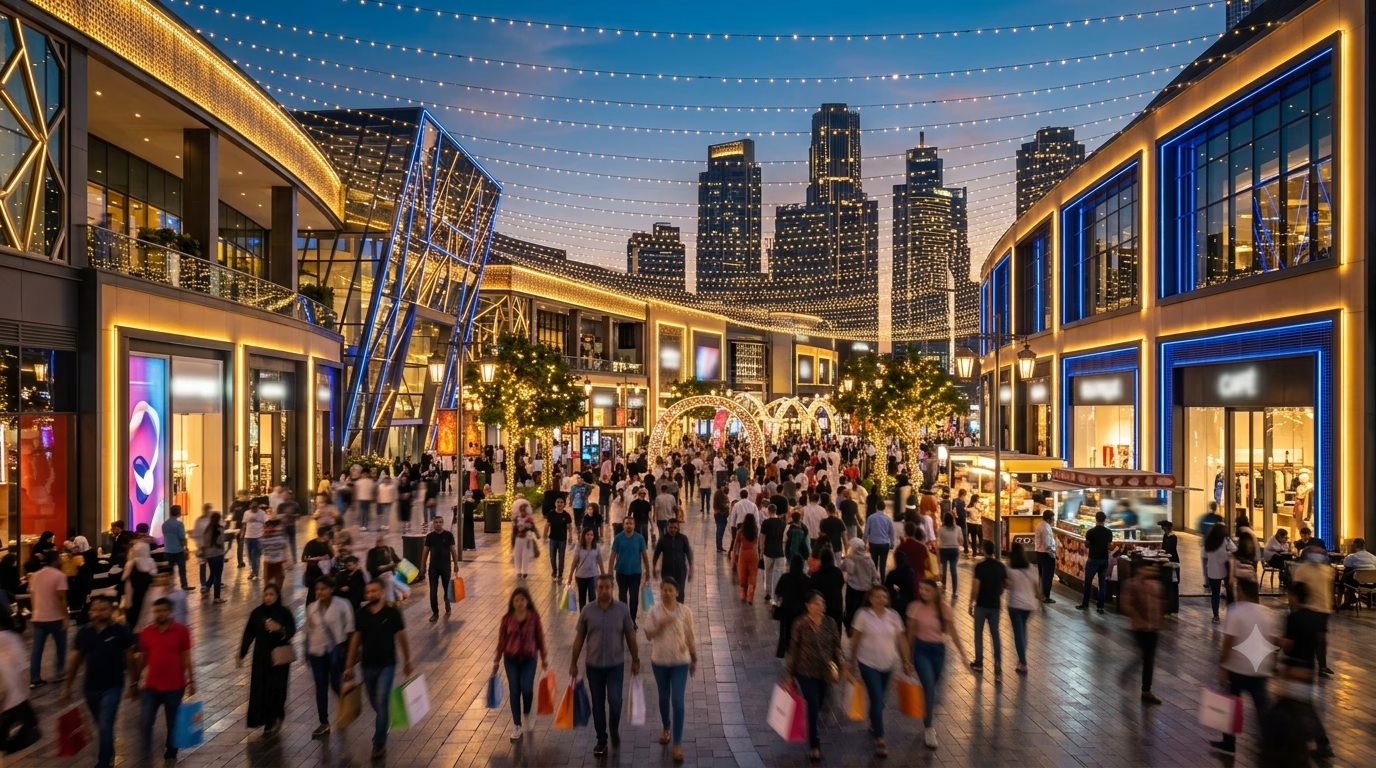
Dubai Shopping Festival 2026 is less “one big sale” and more a city-wide program that runs all day and late into the night. You’ll see malls pushing flash deals, outdoor pop-ups, food events, roaming entertainment, and headline shows stacked on weekends. Expect crowds after 6pm on weekdays and from mid-afternoon on Friday through Sunday. If you like a calmer pace, shop weekday mornings, then come back for the evening events.
The sales are real, but the best value comes in specific formats. Look for “Daily Surprises” (limited-time promos that drop for a few hours) and bundle offers like “spend-and-save” or gift-with-purchase at major malls. Big-ticket buys (phones, laptops, watches) often get extra perks like extended warranty, free accessories, or store credit instead of a huge sticker discount. You’ll move faster if you build a short list and track it on your phone, because the best promos can sell out by night.
Expect raffles, prize draws, and receipt-based promos everywhere. Many festival campaigns work like this: you spend a minimum amount, scan your receipt, and you’re entered to win prizes. The “watch out” is that some entries are same-day only or require you to upload receipts before a cutoff time. Keep a folder in your camera roll for receipts, and screenshot any entry confirmation. Having reliable data matters here, especially when you’re hopping between venues—Telekonek’s UAE eSIM lets you activate before you land, and Telekonek offers eSIM data plans that work in 200+ countries, which helps if Dubai is one stop on a longer trip.
Night markets and pop-up zones are a big part of the vibe. DSF-style setups often appear as open-air “festival villages” with small brands, local designers, and street food. These spots are best for gifts you can pack—perfume oils, modest fashion pieces, leather goods, phone accessories, and home scents. Go early in the evening for easier browsing, then stay later for performances once the lights and music kick in.
Live entertainment is constant, but timing is everything. You’ll typically find weekend fireworks, roaming acts inside malls, and ticketed concerts or comedy nights announced close to the dates. Your easiest play is to keep a running note of what you care about (fireworks, a specific artist, kids’ shows) and set alerts once schedules drop. Don’t assume you’ll “just catch it”—some venues hit capacity, and last-mile traffic can make you miss the start.
- Go for deals: weekday mornings, especially for electronics and premium fashion when shelves are fuller.
- Go for atmosphere: weekend evenings for pop-ups, food zones, and headline shows.
- What goes wrong: you lose time to parking lines and sold-out promos—use mobile maps, receipt folders, and quick-entry links with Telekonek data.
Takeaway: Dubai Shopping Festival 2026 is shopping plus nightly entertainment—plan around flash promos, receipt-based draws, and late crowds, and keep your phone connected so you don’t miss the best drops.
Top Shopping Locations and Discounts You Can’t Miss
Dubai Shopping Festival 2026 works best when you shop by district, not by random stores. Each area has a different “deal style,” so you waste less time walking and more time buying. Keep your Telekonek data on so you can check mall maps, store hours, and deal posts while you move between spots.
Dubai Mall (Downtown) is your best all-in-one day. You get flagship stores, big beauty counters, and the widest spread of “Daily Surprises.” During DSF, expect many fashion and shoe brands to run 30%–70% off selected lines, with extra markdowns on last-season items. Look closely at big anchors and popular chains like Carrefour (electronics and small appliances often drop sharply) and beauty heavy-hitters like Sephora (sets and gift bundles tend to be the real value). Plan a hit list before you go—Dubai Mall is huge, and “just browsing” turns into three hours fast.
Mall of the Emirates (Al Barsha) is a smarter choice if you want a more compact loop with premium brands and easy logistics. DSF promos here usually show up as tiered discounts (spend X, save more) and bundle pricing on shoes, athleisure, and travel basics. Don’t skip Carrefour hypermarket inside the mall for suitcase-friendly buys like grooming kits, chargers, and small luggage accessories at DSF pricing. Use Telekonek to pull up your receipts and notes as you compare sizes and colors across stores.
City Walk (Al Wasl) is where you go for open-air shopping with cafés and pop-up energy. Discounts tend to be less “everything is 70% off” and more clean markdowns on curated brands, plus limited-time promo codes tied to festival activations. It’s a good spot to shop later at night when malls feel packed, especially on weekends.
Dubai Outlet Mall (Dubailand) is the most direct “discount-first” stop. You’re typically looking at 30%–70% off outlet pricing, and DSF can stack extra reductions on already-marked items. This is where you buy practical wins—sneakers, denim, workwear, kids’ clothes—if you’re okay with limited sizing. Watch out: final-sale rules are common, and the best sizes disappear early in the day.
Gold & spice districts: Deira Gold Souk + Meena Bazaar (Bur Dubai) are for value hunting that isn’t labeled with neat sale tags. DSF season can bring sharper bargaining, but your “discount” often comes from making charges (the labor fee) more than the gold price itself. Ask for the full breakdown: gold rate + weight + making + VAT. If a shop won’t itemize it, walk. Keep Telekonek on so you can quickly check the day’s quoted rate and message your hotel about storing valuables before you head back.
- Best for big-brand variety: Dubai Mall (aim for weekday mornings).
- Best for efficient shopping: Mall of the Emirates (tight loop, easy in/out).
- Best for deep “practical” discounts: Dubai Outlet Mall (go early, expect limited sizes).
- Best for souvenir-value deals: Deira (negotiate the making charges, not just the sticker).
Watch out for the classic DSF mistake: assuming every “70% off” sign is the best price. Many stores discount selected racks only, and the best deals are time-boxed. Screenshot the promo, confirm the exact items included, and keep your Telekonek connection steady while you hop between branches. Takeaway: pick 2–3 zones per day, shop early for sizes, and use DSF’s flash promos to time your biggest buys.
Set up your Telekonek UAE eSIM before you start mall-hopping so you can track deals, maps, and receipts without hunting for Wi‑Fi.
Family-Friendly Activities and Entertainment Options
Dubai Shopping Festival 2026 is easy to do as a family because the “entertainment” is built into the same places you’re already shopping. The best move is to plan one anchor attraction per day, then let the mall shows and pop-ups fill the gaps. Keep your Telekonek eSIM active so you can pull up showtimes, pin stroller-friendly entrances, and find the closest family restroom fast when plans change.
Dubai Mall (Downtown): the no-brainer kid day. You can park a whole afternoon around Dubai Aquarium & Underwater Zoo (inside the mall). Expect roughly AED 150–250 per person in 2026 depending on which ticket you pick and whether you add the tunnel/boat options. Right next door, KidZania is a solid “two-hour reset” when kids are done browsing stores, with tickets often ~AED 100–200 depending on age and session time.
Here’s the trick: go to the aquarium first, then shop while energy is high. Save KidZania for late afternoon when crowds spike and kids get restless. Takeaway: Dubai Mall lets you swap shopping time for kid time without leaving the building.
Mall of the Emirates: indoor fun that works in any weather. Ski Dubai is the headline, and it’s a lifesaver if your kids need something physical after hours of walking. Expect ~AED 200–350 for basic snow park access in 2026, with higher tiers if you add lifts or lessons. If you want a cheaper win, pick a simple “snow play” session and spend the rest of your budget on dinner and a calm early night.
Watch out for this common DSF family mistake: showing up at Ski Dubai without the right clothing plan. They provide jackets and boots, but kids still get cold fast. Bring warm socks and a thin base layer in your day bag. Takeaway: one snow session can replace a whole day of “are we done yet?” shopping complaints.
Global Village (family night out): DSF season lines up well with Global Village being open in the cooler months. It’s part theme-park, part street food, part shopping. Plan for 4–5 hours, go after 4pm, and expect to spend on snacks and small rides even if you “only came to look.” Entry is usually budget-friendly (often under AED 30), but the real cost is food and activities once you’re inside.
Do it right by choosing a simple rule: one paid ride per kid, then switch to free shows and wandering. Use Telekonek data to navigate the park map and check show slots so you don’t miss the kid-friendly performances. Takeaway: Global Village gives you a festival night that feels big without being complicated.
Outdoor options when you need a break from malls:
- Dubai Fountain (Downtown): short, high-impact shows that keep kids engaged. Pair it with an early dinner to avoid late-night crowds.
- Dubai Miracle Garden (Dubailand area): a photo-heavy stop that works best in the cooler hours; bring water and sunscreen even in winter.
- JBR The Walk / Bluewaters: easy stroller territory, lots of casual food, and enough open space to burn energy before bedtime.
Watch out: weekend evenings can turn these areas into slow-moving crowds. If you’re with small kids, aim for weekday late afternoon instead of Friday night. Takeaway: mix one outdoor stop into your DSF week so your kids don’t feel trapped indoors.
For the smoothest family days during Dubai Shopping Festival 2026, set up your connection before you land. With a Telekonek UAE eSIM, you can keep maps, ticket QR codes, and WhatsApp open without hunting for Wi-Fi every time the plan shifts. Takeaway: reliable data is the difference between “fun day” and “meltdown day” in DSF crowds.
Cultural Experiences to Embrace While Shopping
Dubai Shopping Festival 2026 isn’t only about bags and bargain tags. It’s also when Dubai feels most “on show,” with culture popping up right inside the malls and along the promenades. The trick is to treat culture like a shopping stop: pick one short experience, then keep moving. With your Telekonek data on, you can save event pins, pull up last-minute timings, and reroute fast when a show hits capacity.
Start with living heritage you can see in one hour. Head to Al Seef (along Dubai Creek) for old-meets-new streets, dhow views, and craft-style stalls. Then cross over to the Al Fahidi Historical Neighbourhood for wind-tower lanes and small galleries. The vibe is calmer than the malls, and you get a real contrast before going back to the bright DSF nights.
Look for cultural “drop-ins” inside major shopping zones. During DSF, malls often host short performances and pop-up exhibits in atriums. When you see “traditional music” or “heritage” on a stage schedule, expect quick sets you can watch without buying a ticket. Aim for an early-evening slot (around 5–7pm) before the main shopping rush gets shoulder-to-shoulder.
Make one museum or gallery your midday reset. If you’re shopping Downtown, budget 60–90 minutes for Dubai Opera area walks (even without a show) and the nearby art spaces around City Walk. If you’re already going toward the Creek, add the Dubai Museum / Al Fahidi Fort area for context on pearl diving and pre-oil life (timings can change, so check the official listing before you go). Telekonek helps here because museum updates and holiday hours can shift during peak weeks.
Eat like a local between stores, not after you’re exhausted. For Emirati flavors, go for a set menu or sharing plates at places like:
- Arabian Tea House (Al Fahidi): light, calm, and great for a “slow” break between shopping blocks.
- Al Fanar Restaurant & Café (often found in popular malls): easy to reach from shopping, with classic Gulf comfort dishes.
- Ravi Restaurant (Satwa): budget-friendly Pakistani dishes that many Dubai regulars swear by when you want bold flavor fast.
Watch out for two common DSF culture mistakes. First, you’ll underestimate walking time around the Creek and arrive late to a booking. Second, you’ll show up at a pop-up performance and find the best viewing spots already blocked by strollers and shopping bags. Fix both by arriving 15 minutes early and saving locations on your phone so you don’t wander. Telekonek keeps your maps and messages working when you’re hopping between neighborhoods.
Takeaway: Plan one short heritage stop and one local meal each shopping day, and you’ll experience Dubai beyond the discounts.
Set up your Telekonek UAE eSIM before you head out, so your culture-and-shopping route stays smooth from Creek lanes to mall atriums.
Navigating the City: Transportation Tips for Festival-Goers
Dubai is built for moving between districts, and during Dubai Shopping Festival 2026 you’ll do that a lot. The good news: you can mix Metro, tram, buses, taxis, and ride-hailing in one day without stress. The bad news: the same “easy” trips can double in time after 6pm and on weekends. Keep your Telekonek data on so you can check live ETAs, platform changes, and the fastest exit gate inside huge stations.
Use the Dubai Metro for the big mall corridors. It’s the most predictable option when roads clog near Downtown and Dubai Marina. For Dubai Mall, ride to Burj Khalifa/Dubai Mall station, then follow the signed air-conditioned walkway into the mall area (it’s longer than it looks—plan 15–25 minutes from train to storefront). For Mall of the Emirates, the Mall of the Emirates station drops you right into the action. Expect about AED 3–8.50 per ride depending on zones in 2026, with Gold Class costing more but feeling worth it if you’re carrying bags.
Pair Metro + Tram for JBR/Marina evenings. If you’re bouncing between Dubai Marina dining and beachside pop-ups, take the Metro to DMCC or Sobha Realty, then switch to the Dubai Tram for JBR/Marina stops. It’s slower than a car on an empty road, but faster than a car when weekend traffic locks up. Use Telekonek to keep a pinned route so you don’t get turned around by similarly named stations.
- Fast + cheapest: Metro (best for Downtown, Mall of the Emirates, Deira/Creek areas)
- Fast + most comfortable with bags: Taxi (metered), especially for short hops between nearby malls
- Best for Marina/JBR: Metro + Tram, then walk the last 5–10 minutes
Ride-hailing and taxis are clutch—if you use them at the right times. After fireworks, concerts, or “Daily Surprises” rush hours, pickup zones outside major malls can turn into a slow-moving crowd. What goes wrong: your app shows a car “2 minutes away,” but the driver can’t reach the pin due to temporary barriers. Fix it by walking to a hotel entrance (Address Downtown area, JW Marriott Marquis area, or major Marina hotels) or a main road pickup point where cars can actually stop. Telekonek helps here because you can message drivers and adjust pins quickly without hunting for Wi‑Fi.
Buses are useful for “last mile” gaps the Metro doesn’t cover well. They’re clean and cheap, but they can crawl in festival traffic. Use buses when you’re not racing a showtime, like getting from an older neighborhood to a creekside dining spot, or from a Metro station to a specific entrance. If you’re traveling with kids or lots of shopping bags, buses can feel like more work than they save.
Practical DSF transport hacks that save real time:
- Start early for Downtown: arrive before noon if you want calm Metro platforms and shorter walks inside Dubai Mall.
- Choose the right station exit: big stations have multiple exits; save the correct one in your map so you don’t add a 10-minute detour.
- Plan a “bag reset”: after a heavy shopping block, take a taxi back to your hotel once, then go out again lighter.
- Keep screenshots: save your hotel pin and nearest station name in case your phone is low battery.
If you haven’t set up data yet, sort it before you start hopping districts—your Telekonek UAE eSIM makes it easy to navigate, reroute, and lock in pickups when DSF crowds spill into the streets.
Takeaway: Use Metro for the long jumps, tram for Marina/JBR, and taxis for bag-heavy hops—then lean on Telekonek to dodge the time-wasting pickup and exit mistakes.
Staying Connected: Mobile Data Options for Your Trip
During Dubai Shopping Festival 2026, staying connected isn’t optional. You’ll use data to catch “Daily Surprises” drops, pull up mall maps inside giant complexes, and time your Metro exits so you don’t walk 20 minutes the wrong way. Reliable mobile data also saves you when a show hits capacity and you need a fast Plan B.
The simplest setup is an eSIM, because you land connected and skip the airport SIM queues. With a Telekonek UAE eSIM, you can activate before you fly, then turn data on the moment you land at DXB. That matters when you need to order a ride, message your hotel, or load a digital boarding pass for a connecting flight.
Plan your data around how DSF actually runs. If you’re doing Metro + two malls + a late-night event, expect heavier usage from maps, ride-hailing, WhatsApp calls, and short videos of deal posts.
- Light user (1–2 GB/day): maps, chat, browsing deal pages, occasional photos.
- Medium (2–4 GB/day): lots of navigation, ride-hailing, social uploads, some video.
- Heavy (5+ GB/day): daily video reels, hotspotting to a laptop, frequent video calls.
If your phone supports it, keep your home SIM active for calls and set Telekonek as your data line. That way, you can still receive bank OTP texts while your data stays local. “eSIM” just means a digital SIM built into your phone—no plastic card to lose.
Free Wi‑Fi is common in Dubai, but don’t build your DSF day around it. Big malls like The Dubai Mall and Mall of the Emirates usually have public Wi‑Fi, and so do many cafés in City Walk and Dubai Marina. The problem is the friction: login pages, time limits, and dead zones when the crowd surges after 6pm. Use Wi‑Fi for big downloads, then fall back to Telekonek data for anything time-sensitive like QR codes, payment approvals, or finding the right Metro exit.
Watch out for this: public Wi‑Fi networks with look-alike names (“Mall Free WiFi 2”) can be fake. If you must use public Wi‑Fi, avoid logging into banking apps and don’t enter card details. Also, many travelers forget to turn off “auto-join” Wi‑Fi, which can quietly connect you to unsafe networks as you move between venues.
One more practical perk: Telekonek plans work in 200+ countries, which helps if Dubai is one stop on a longer winter trip. You can keep the same setup and avoid re-learning connectivity in every airport.
Takeaway: Use a Telekonek UAE eSIM for always-on DSF navigation and deal timing, and treat mall Wi‑Fi as a bonus—not your lifeline.
Local Cuisine: Must-Try Foods During the Festival
During Dubai Shopping Festival 2026, food is your best “reset button” between malls. You’ll walk more than you think, then get stuck in a queue or a surprise show. Plan two food stops a day: one quick street-style bite, one sit-down meal that feels like Dubai. Keep your Telekonek data handy so you can pin the closest branch, check live wait times, and reroute when a food court is packed.
Start with Emirati flavors (they’re harder to find than burgers and pizza). Order machboos (spiced rice with chicken or lamb), harees (slow-cooked wheat and meat, very comforting), and balaleet (sweet-salty vermicelli with egg). For dessert, look for luqaimat (fried dumplings) with date syrup, plus Arabic coffee. If you want the easiest “one stop” intro, go to Al Fanar Restaurant & Cafe (locations at Dubai Festival City Mall and elsewhere). Expect roughly AED 70–140 per person in 2026 depending on what you share.
Downtown (Dubai Mall area): you’re spoiled for choice, but it pays to be specific. For Lebanese grills and mezze, Al Hallab (Dubai Mall) is reliable when you want a proper meal, not food-court noise. If you’re aiming for a classic “Dubai dinner with a view,” book around Souk Al Bahar and the Burj Lake walkway. Expect AED 120–250 per person in 2026 at sit-down spots here, especially on weekend nights. Watch out: fountain-view terraces can have minimum spends during peak DSF evenings, so ask before you sit.
Dubai Marina & JBR: this is your best area for a long walk plus casual bites. Hit The Beach at JBR for outdoor dining, then keep an eye out for seasonal DSF pop-ups along the promenade. For a budget-friendly local chain meal that still feels “UAE,” Operation: Falafel is a solid stop for shawarma, falafel, and fresh juices. Expect AED 25–45 for a filling wrap/plate and drink in 2026. The thing that goes wrong here: you underestimate the walk back to the tram/Metro when the humidity spikes—use Telekonek to check the nearest taxi pick-up point before you’re tired.
Old Dubai (Al Seef, Deira, Bur Dubai): this is where you eat like you’re traveling, not just shopping. Around Al Seef, look for cafes serving regag (thin Emirati crepe) and date-based sweets. Across the creek, go for Iranian-style kebabs at Al Ustad Special Kebab in Bur Dubai (very popular, simple setting). In Deira, you can build a cheap feast with mutton mandi or chicken madhbi at Yemeni spots near the souks—expect AED 20–40 for a big plate. Watch out for peak prayer times and weekend crowds here; some small places fill fast and don’t take reservations, so having Telekonek data helps you pivot to a nearby backup without wandering aimlessly.
- Fast bites to try between “Daily Surprises”: shawarma, manakish (flatbread), karak tea, luqaimat.
- Best “real meal” picks near festival zones: Al Fanar (Emirati), Al Hallab (Lebanese), Al Ustad Special Kebab (Iranian-style kebab).
- One simple rule: eat your sit-down meal before 6pm on weekends, or you’ll queue.
If you want maps, timings, and a quick backup list saved on your phone, set up your Telekonek UAE eSIM so you can navigate to the right branch without burning shopping time.
Takeaway: Pick one Emirati dish, one street bite, and one sit-down meal near your mall zone—and use Telekonek to dodge lines and find the closest option fast.
Planning Your Visit: Tips for a Great Shopping Experience
Build your DSF days around “drops,” not malls. Dubai Shopping Festival 2026 rewards people who plan in small, sharp blocks. Give yourself one main shopping district per day, then leave 60–90 minutes for a deal hunt around it. That’s when you chase limited-time promos, pop-up stalls, and short live shows without blowing your whole schedule.
Takeaway: Plan one district per day, then add a flexible “deal window” so you can jump on surprises.
Shop at the right hours (it changes by neighborhood). Weekday mornings are best for calm fitting rooms and quick checkout, especially at Dubai Mall and Mall of the Emirates. Your second “power hour” is right after lunch, when tour groups thin out and staff restock sizes. Avoid the 6pm–10pm crush if you hate lines, because that’s when dinner crowds and evening entertainment overlap.
For outdoor areas like City Walk and The Beach (JBR), go late afternoon into sunset. You’ll get better photos, cooler air, and less “sweaty shopping” while you carry bags.
Takeaway: Do malls in the morning or early afternoon; save outdoor shopping for late day.
Use a 3-step system to score real deals (and skip the fake “was/now” noise). In DSF, some stores mark down older stock hard, while others discount only selected items. You’ll save the most when you treat every purchase like a quick checklist:
- Step 1: Ask what’s excluded. At the counter, say: “What’s not included in the DSF offer?” This is where new launches, limited sizes, and premium lines usually sit.
- Step 2: Check the return rule before paying. Some DSF promos switch to exchange-only, or shorten the return window. That matters if you’re buying gifts or unsure on size.
- Step 3: Stack smart, not messy. If a store allows an extra promo on already-reduced items, start in the sale section first. If stacking is not allowed, go straight to the full-price area and ask what’s included in the DSF promo.
Takeaway: Ask exclusions + return rules first, then decide where to shop inside the store.
Carry less, buy better: use “bag strategy.” Big malls punish you when you’re overloaded. If you’re doing Dubai Mall, plan a “drop” around the middle of your route. For example, shop Fashion Avenue first, then loop toward the waterfront side later—don’t crisscross with heavy bags. If you’re buying shoes, buy them last. Shoe boxes are bulky and slow you down in crowds and Metro stations.
Watch out for this: If you take a taxi or rideshare during peak hours, you can get stuck in pickup loops near mall entrances. It’s easy to miss a timed promo while your driver crawls through traffic. If you must go by car, set your pickup at a hotel entrance or a quieter side door, not the main drop-off.
Takeaway: Don’t carry shoes and big boxes all day; plan one “drop point” to reset your bags.
Budget like a local: set three numbers before you start. DSF is when you accidentally buy five “good deals” and still regret missing one big item. Decide these three limits on your phone before you enter the first mall:
- 1 “splurge” item cap: the most you’ll spend on one thing (example: AED 800–1,500 in 2026).
- Daily deal budget: the amount you can burn on impulse buys (example: AED 200–400/day).
- Taxi/rides cap: your maximum transport spend on heavy shopping days (example: AED 60–120/day, depending on distances and peak hours).
This keeps you from “saving money” in stores and then giving it back in last-minute rides and extra bags.
Takeaway: Set a splurge cap, a daily deal budget, and a rides cap before you walk in.
Lock in the schedule, then leave room for chaos. DSF calendars move fast, and some showtimes fill up early. The best approach is to pin two evening events per trip, not one per night. That way, if one gets crowded or shifted, you still have a backup nearby. Use official listings for the most accurate updates: Visit Dubai’s DSF page and Dubai Festivals and Retail Establishment.
Watch out for this: Fridays can feel “shorter” than you expect. You’ll lose time to prayer-hour traffic patterns, brunch crowds, and heavier Metro queues. Put your biggest shopping block on a weekday if you can, and keep Friday for outdoor areas and shows.
Takeaway: Pin two priority events for your whole trip and use official listings for last-minute changes.
Make checkout painless (and avoid the classic DSF mistakes). Keep your passport photo and a backup card on your phone in case a payment fails or a store asks for ID on high-value items. Split purchases by day if you’re close to your bank’s fraud limits, because multiple big charges in one hour can trigger a lock. If you’re buying electronics, open the box at the counter and check the plug type, warranty region, and return conditions before you leave.
Takeaway: Expect card security blocks and stricter returns—check everything at the counter.
One last practical move: stay connected so you don’t miss the best drops. During Dubai Shopping Festival 2026, the deals that matter often come with short windows and fast-moving updates. Grab an eSIM before you fly so you can check mall maps, event timings, and ride ETAs the moment you land. Telekonek has UAE eSIM plans that make this easy, and you avoid hunting for SIM shops when your schedule is already packed.
Takeaway: Go in with data already working, so you can react fast when DSF plans change.